Patios get a lot of attention in spring. Homeowners start thinking about outdoor dinners, backyard gatherings, and finally using spaces that sat empty through winter. Then July arrives, and some surfaces become far less comfortable than expected.
A patio that looked perfect in a showroom can feel completely different during a stretch of ninety-degree weather. The same goes for walkways, retaining walls, and outdoor living areas that spend hours in direct sunlight every day.
That is why material selection matters. The best masonry materials do more than look attractive. They handle heat well, stand up to changing weather, and continue performing year after year.
Best Masonry Materials for Hot Summer Weather Start With Understanding Exposure
No two properties experience summer conditions in exactly the same way. A patio tucked beneath mature trees will stay cooler than one exposed to full afternoon sun. A walkway along the south side of a home often receives far more heat than one near a shaded garden bed.
These differences affect how masonry materials perform. Some absorb and retain heat throughout the day. Others reflect sunlight more effectively and remain more comfortable underfoot.
Before choosing materials, it helps to think about how the space will actually be used. A patio designed for entertaining may need different materials than a decorative garden path.
Natural Stone Continues to Be a Favorite
Walk through older Northeast neighborhoods and natural stone appears almost everywhere. That popularity is not simply about appearance. Stone has proven itself over decades of seasonal weather. Many varieties handle summer heat well and continue looking attractive as they age.
Bluestone remains especially popular throughout Massachusetts and the surrounding region. Lighter-toned bluestone typically stays more comfortable during hot weather than darker alternatives. It also works well with traditional and contemporary homes alike.
Natural stone develops character over time, and small variations in color often make patios feel more established and less manufactured. Many homeowners discover that stone actually looks better several years after installation than it did on day one.
Concrete Pavers Offer More Options Than Ever
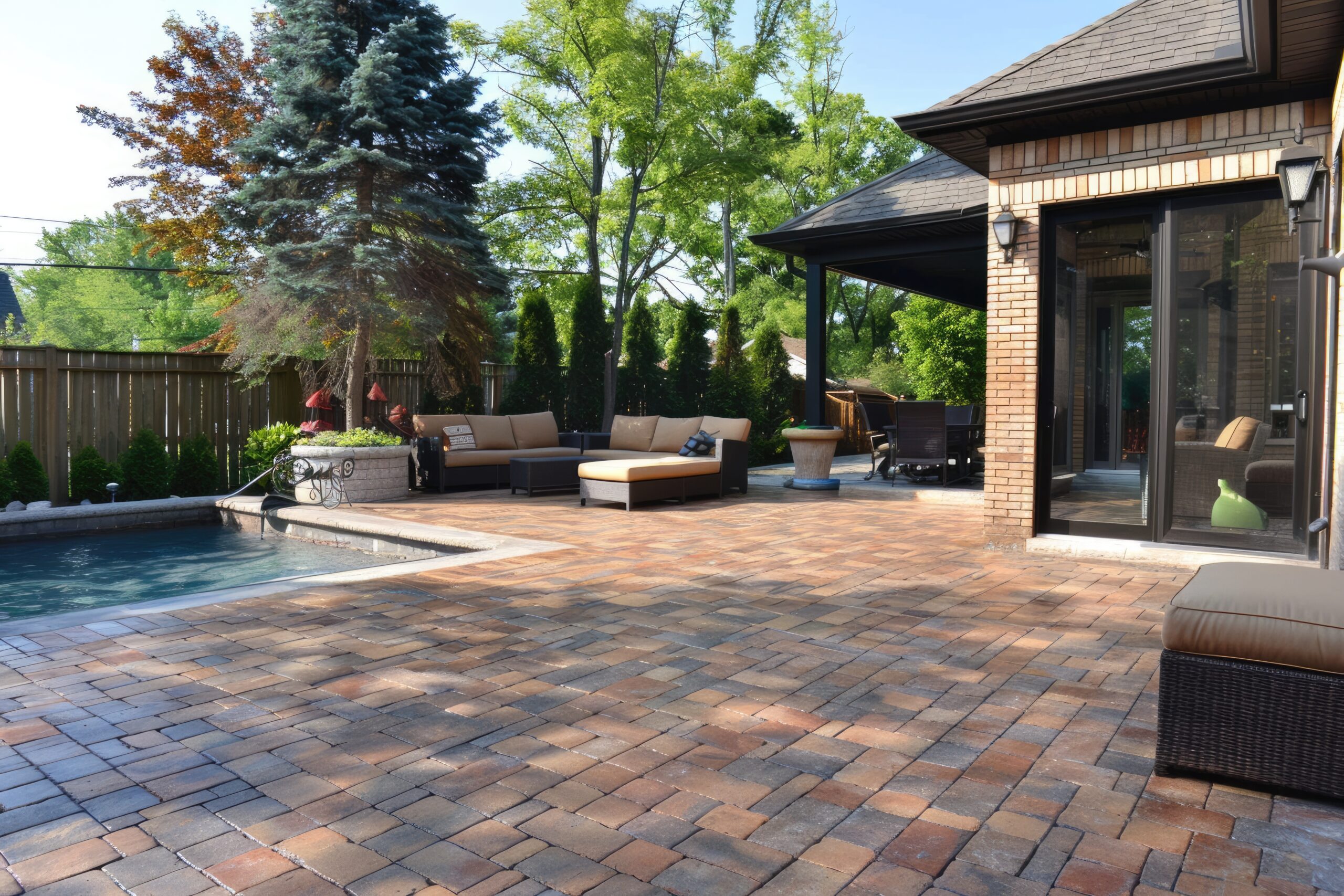
Concrete pavers have changed considerably over the years. Older products often had a uniform appearance that homeowners either loved or disliked. Today’s pavers come in a wide range of colors, textures, and patterns that can resemble natural stone surprisingly well.
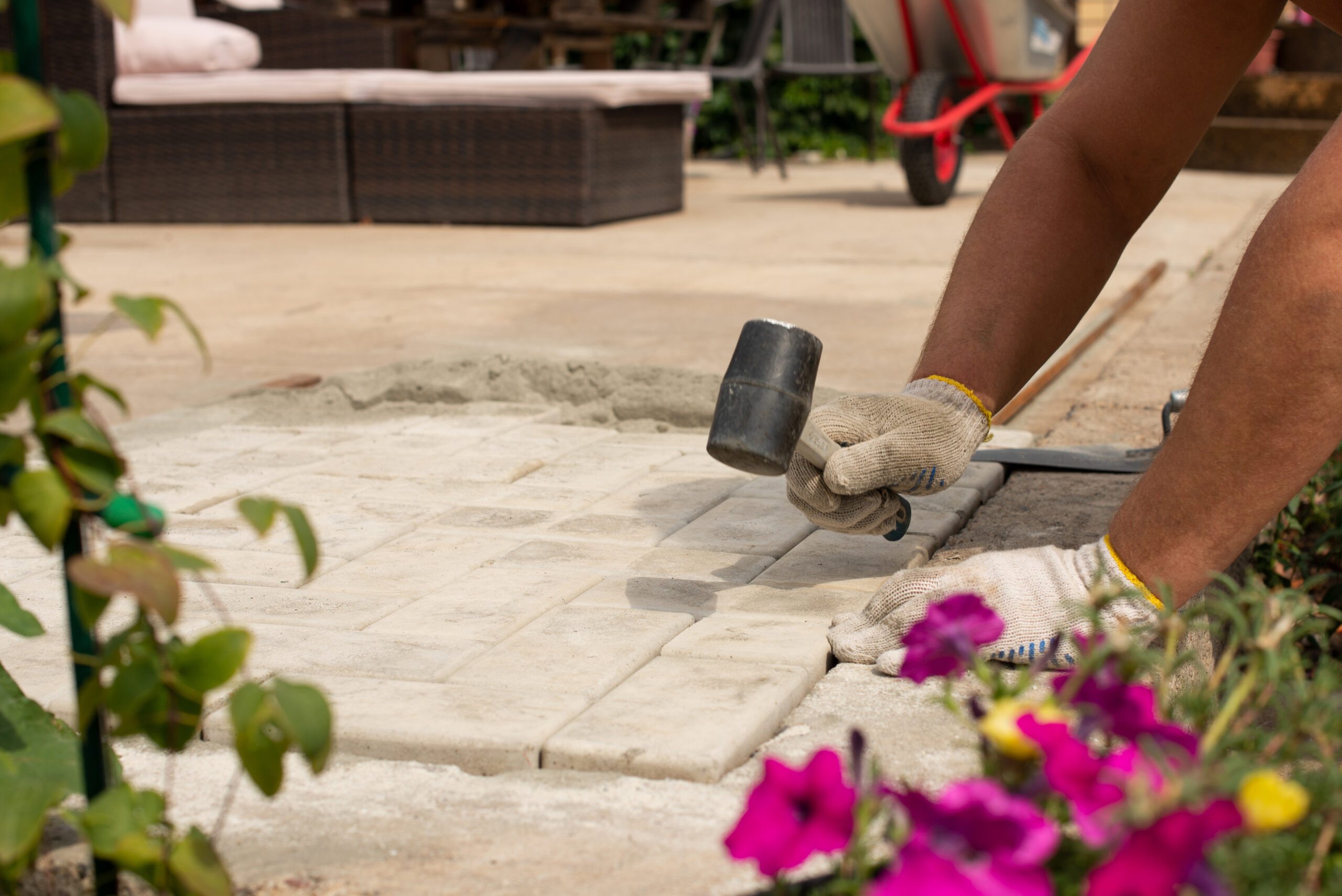
Their flexibility is one reason they remain popular for outdoor living projects. Individual units can be replaced if damage occurs, and installation allows for creative layouts that fit different property styles.
Heat performance depends largely on color selection. Lighter shades generally stay cooler during sunny afternoons, while darker pavers absorb more heat throughout the day.
That simple decision can have a noticeable impact during the middle of summer.
A Common Mistake Homeowners Make
Many people choose masonry materials based on appearance alone. That makes sense at first. Most decisions begin with photographs, online galleries, or examples seen at neighboring homes.
The problem is that appearance only tells part of the story. A dark patio surface may look rich and elegant in photos, yet it can become uncomfortably hot during peak summer temperatures. A material that looks perfect in a catalog may not perform as well on a property with full southern exposure.
Good design balances appearance with function. The goal is not simply creating something beautiful. The goal is creating a space that people actually want to use.
Brick Still Has a Place in Outdoor Design
Brick has remained popular for generations, and there is a reason for that. It complements many Northeast homes naturally and creates a timeless appearance that rarely feels outdated. Brick also handles seasonal weather changes well when installed correctly.
Homeowners often use brick for walkways, smaller patios, entry features, and garden paths. Its scale works particularly well in spaces where a more traditional appearance fits the surrounding architecture.
Like other masonry products, color influences heat retention. Lighter brick selections tend to perform better during hot weather than darker tones.
Summer Heat Is Only Part of the Story
Conversations about outdoor surfaces often focus on temperature, but heat is only one piece of the puzzle. Summer storms can place just as much stress on masonry as prolonged sunshine.
Heavy rainfall exposes drainage problems quickly. Water that collects around patios or beneath walkways can create movement beneath the surface over time. Those issues may not become obvious immediately, yet they often lead to repairs later.
Proper grading helps direct water away from masonry features and keeps the base beneath them stable. That work happens long before the finished surface is installed.
For homeowners considering larger outdoor improvements, Lassana’s masonry services provide options that address both appearance and long-term performance.
Landscaping Influences Comfort More Than Many People Realize
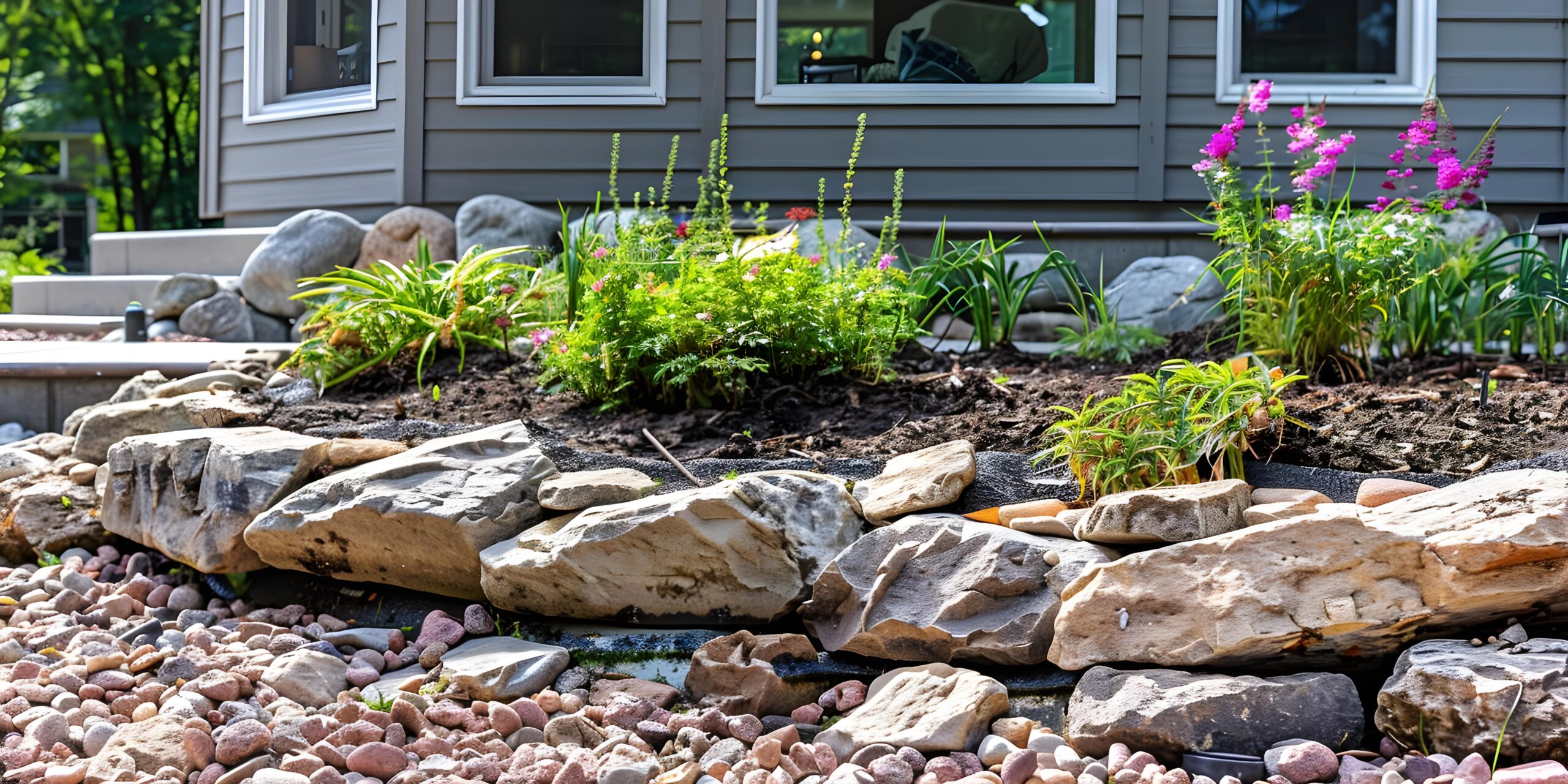
The surrounding landscape affects how masonry performs during summer. Trees create shade. Shrubs soften reflected heat. Garden beds break up large areas of exposed hardscape and help outdoor spaces feel more comfortable.
A patio surrounded by thoughtful planting often feels cooler than one sitting alone in direct sun. This is one reason successful outdoor designs rarely treat masonry and landscaping as separate projects. The strongest results come when both elements work together.
Retaining walls also contribute to overall site function, particularly on sloped properties where drainage and elevation changes affect usability.
Thinking Long Term
Summer comfort matters, but durability matters too. The best masonry materials handle July heat, January snow, spring rain, and everything in between. A surface that performs well for one season but struggles during another rarely provides lasting value.
This is why installation quality remains so important. Material selection matters, yet even the best product cannot compensate for poor drainage or inadequate base preparation.
When those foundational elements are done correctly, masonry features often provide decades of reliable performance.
Choosing the Right Material for Your Property
There is no single material that works best for every project. Natural stone offers character and durability. Concrete pavers provide flexibility and design options. Brick delivers classic appeal that complements many Northeast homes.
The right choice depends on how the space will be used, how much sunlight it receives, and how it fits within the larger landscape.
A well-designed masonry project should feel comfortable during summer, attractive throughout the year, and durable enough to handle changing Northeast weather for many seasons to come.