Backyards rarely feel private on their own anymore. Homes sit closer together, and outdoor living spaces have become a bigger part of daily life. That shift has made natural privacy screening more important across Northeast properties.
Trees and shrubs solve several problems at once. They block unwanted views, soften property lines, and add structure without making the yard feel boxed in. A well-planned screen also improves the look of the landscape through every season.
Many homeowners start with fencing alone, then realize the space still feels exposed or unfinished. Living plantings change that feeling. They create depth, movement, and texture that hard barriers cannot provide by themselves.
Why Privacy Screening with Trees and Shrubs Works So Well
Natural screening blends into the landscape more comfortably than solid fencing. Trees and shrubs create separation, yet the yard still feels open and usable.
This matters on Northeast properties where outdoor space changes throughout the year. A planting screen looks different in spring, fills out during summer, and develops more texture through fall and winter.
Noise reduction is another benefit many homeowners notice quickly. Dense planting absorbs sound better than open lawn areas, especially near streets or neighboring homes.
Privacy screening also shapes how people move through the yard. A line of shrubs can guide traffic toward patios, separate play areas, or frame outdoor seating spaces naturally.
Choosing Plants That Hold Up in the Northeast
Plant selection matters more than appearance alone. Northeast weather creates stress through freezing temperatures, wet springs, summer heat, and shifting soil moisture.
Plants that struggle in these conditions often thin out or develop uneven growth. Once gaps appear, the screen loses both function and appearance.
Evergreens remain popular because they maintain coverage all year. Arborvitae continues to be one of the most common choices, though many properties benefit from mixing several species together.
Common screening plants include:
- Arborvitae
- Spruce
- Inkberry holly
- Eastern red cedar
- Hemlock
- Viburnum
Using several plant types often creates a healthier and more natural-looking barrier over time. Check out the The Arbor Day Foundation’s list of the fastest growing trees and shrubs to use for a privacy screen.
Avoiding the Most Common Spacing Mistake
Many screening projects begin with plants placed too closely together. Small shrubs look sparse during installation, so homeowners try to create instant coverage by tightening the spacing.
That approach usually creates problems later. Plants compete for sunlight, airflow becomes restricted, and moisture stays trapped between branches longer after rain. Over time, lower sections thin out and growth becomes uneven.
Proper spacing feels too open during the first season, yet mature growth eventually fills the area more naturally. Patience usually produces a better long-term result.
Creating Privacy Around Outdoor Living Areas
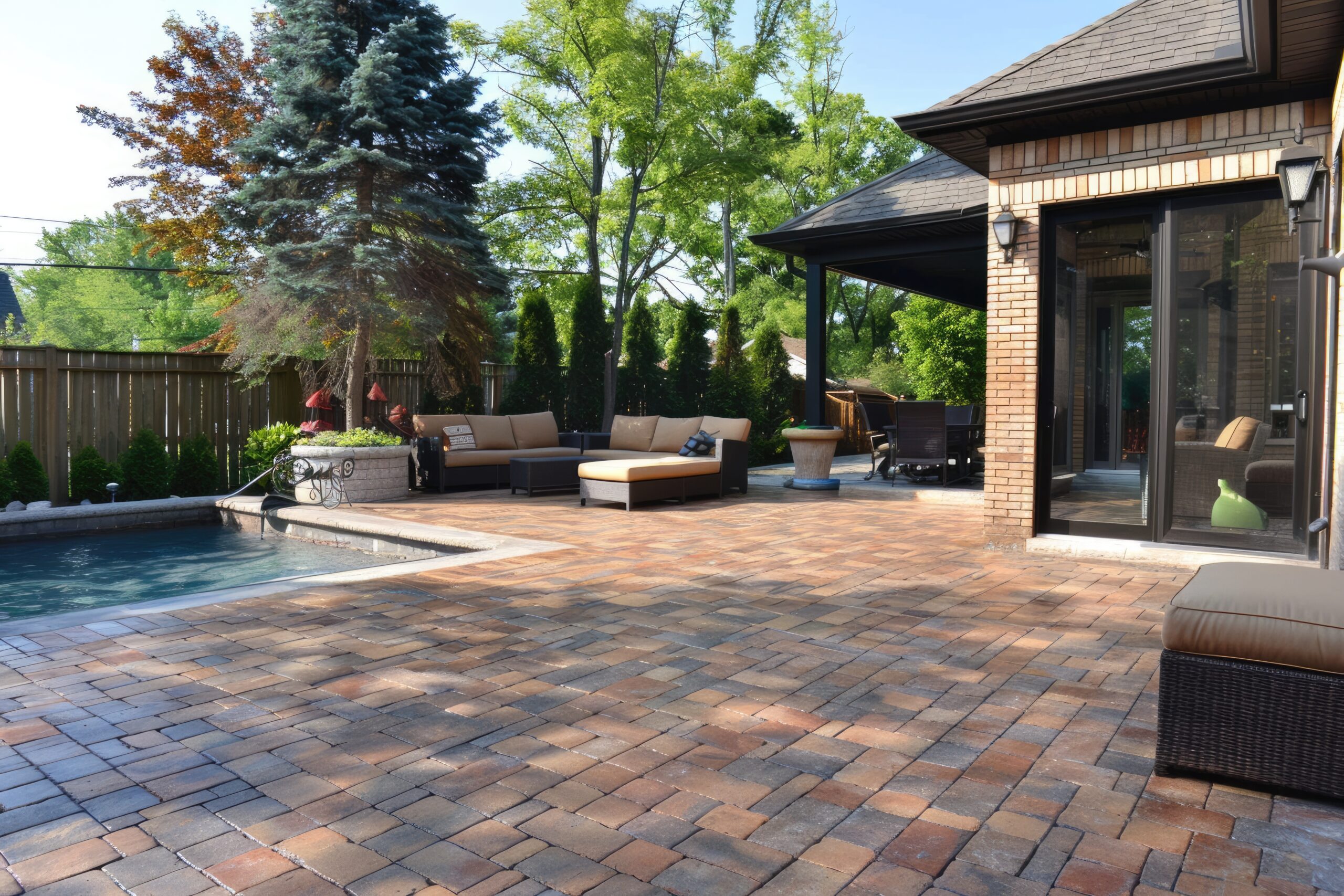
Privacy screening often works best near patios, walkways, and gathering spaces where homeowners spend the most time outdoors. The goal is not complete isolation. Most people still want airflow, sunlight, and an open feeling within the yard.
Plant placement should support how the space functions daily. Tall evergreens can block neighboring windows while lower shrubs soften patio edges. Trees placed carefully around seating areas also provide relief from summer sun without overwhelming the space.
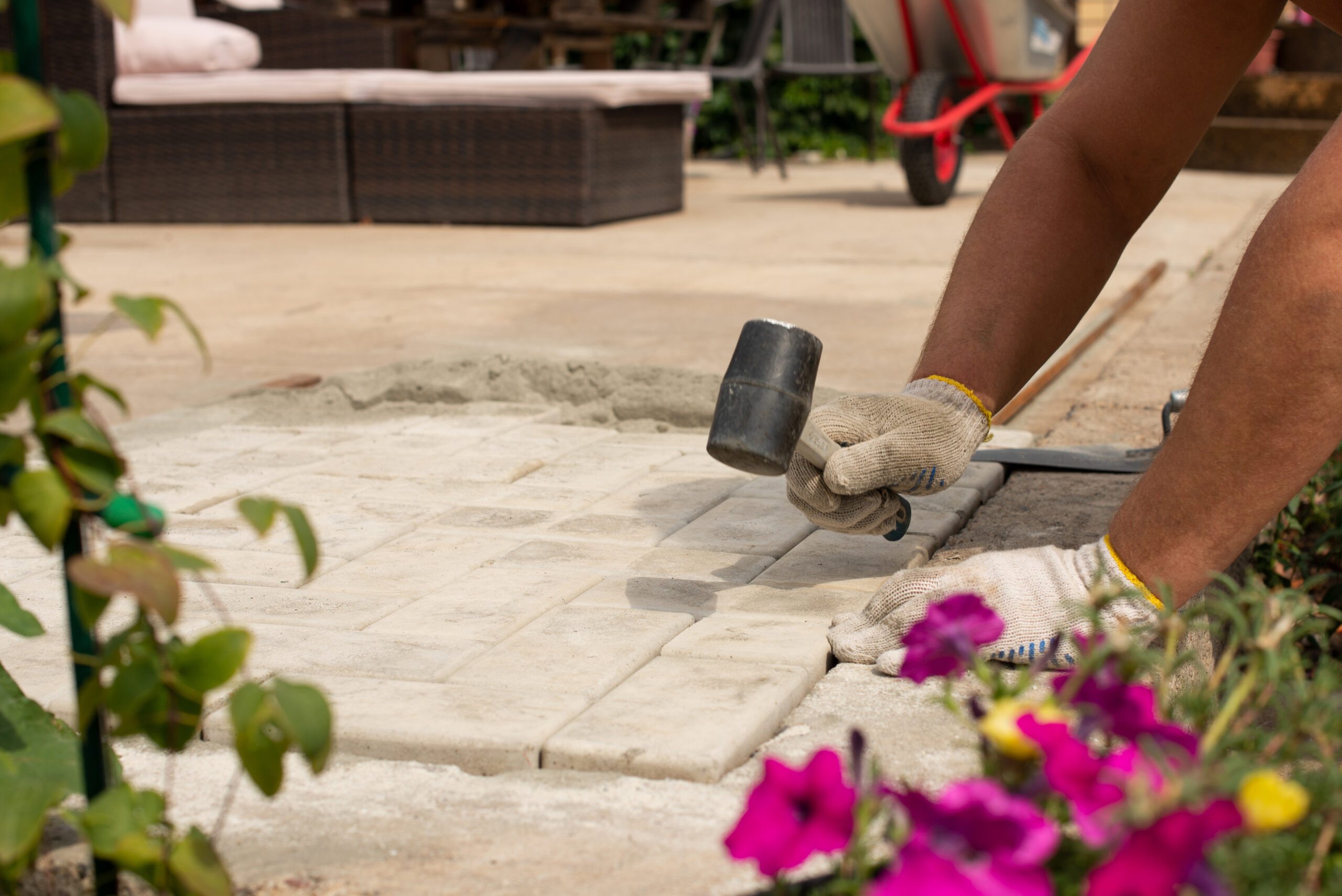
Homeowners planning larger outdoor projects need to consider how masonry features play a role here too. Retaining walls, walkways, and patios help organize planting areas and create stronger transitions across the property.
Mixing Evergreen and Deciduous Plants
Evergreens provide consistent coverage during winter months, though too many can sometimes make the landscape feel heavy or overly uniform.
Deciduous trees help balance that appearance. They introduce seasonal color, allow more winter sunlight, and create variation across the property.
Some of the best privacy screens combine both types together. Evergreens create the backbone of the screen, while flowering shrubs or ornamental trees soften the overall look. This combination often feels more established and less rigid than a single row of identical plants.
Drainage Still Matters
Healthy roots depend on proper drainage, and screening plants often struggle in areas where water collects after storms or snowmelt.
Wet soil limits oxygen around roots and creates long-term stress that weakens plant growth. In some yards, drainage problems develop slowly and become noticeable only after shrubs begin declining.
Before planting starts, it helps to evaluate grading and runoff patterns across the property. Water should move away from foundations and not settle near planting beds for extended periods.
Retaining walls and grading improvements sometimes help stabilize these areas and improve drainage performance over time. More information about these structural features can be found from the link above.
Timing Makes a Difference
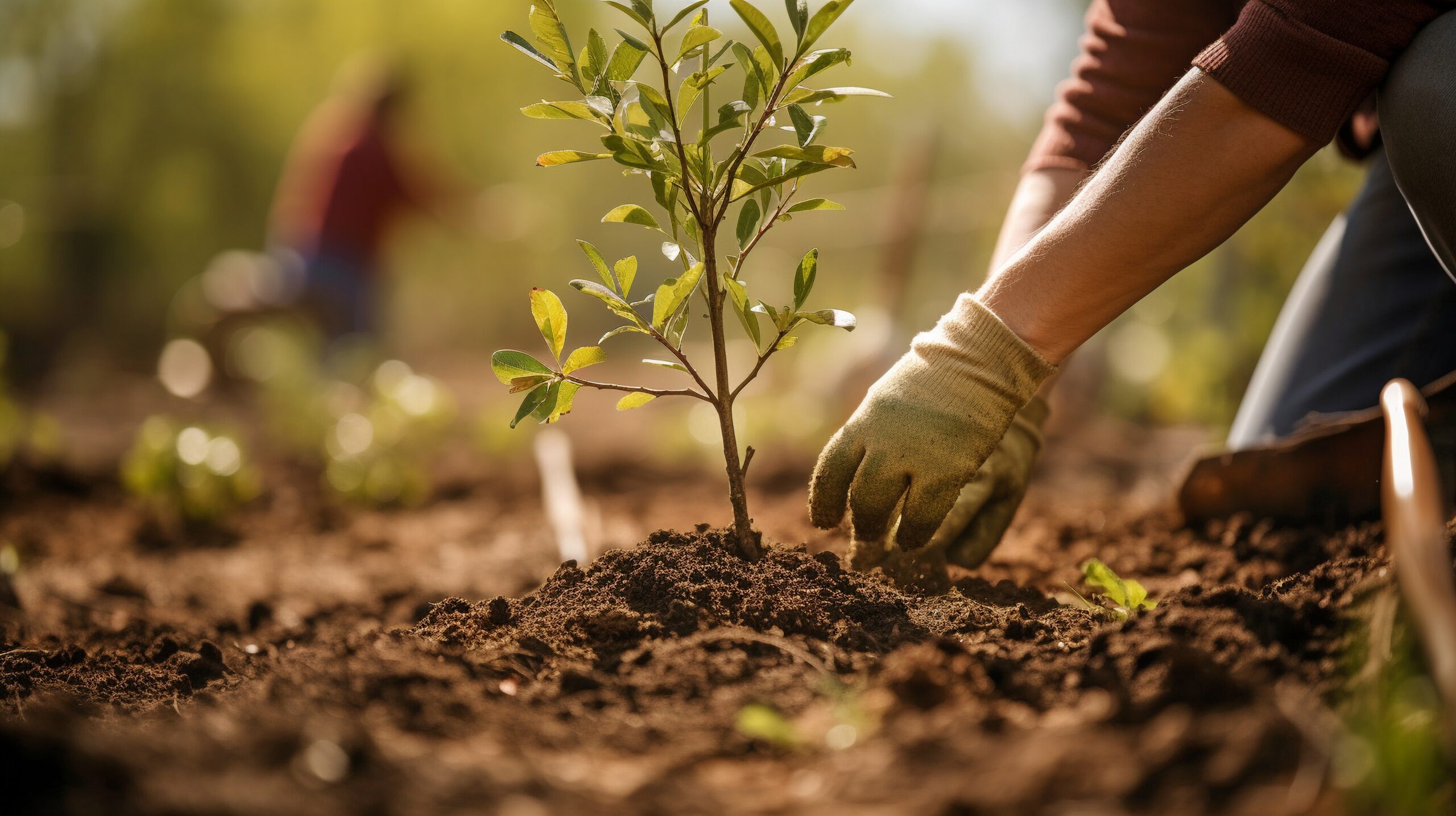
Spring and early fall usually provide the best planting conditions in the Northeast. Cooler temperatures reduce stress while roots establish below the surface.
Summer planting often requires heavier watering, especially during dry stretches. Winter installation becomes difficult once the ground freezes.
Early root development shapes long-term performance. Plants that establish steadily during the first year usually grow more evenly and require less correction later.
Making the Screen Feel Natural
Privacy planting should feel connected to the property rather than installed in a straight wall across the yard. Slight curves, varied spacing, and layered heights create a softer appearance.
Rigid rows often look artificial once plants mature unevenly. Mixing heights and textures creates more visual depth while maintaining privacy.
A layered design may include:
- Taller evergreen trees in the background
- Medium shrubs for density
- Lower plantings near walkways
- Ornamental grasses for movement and texture
These combinations help the landscape feel more balanced through changing seasons.
Long-Term Maintenance Expectations
Even low-maintenance screening requires occasional care. Young plants need regular watering during establishment, especially during dry weather.
Pruning also matters, though excessive trimming weakens natural growth patterns. Small seasonal adjustments usually work better than aggressive cutting. Mulch helps regulate soil temperature and reduce moisture loss, though it should stay clear of trunks and stems.
Over time, maintenance becomes simpler as root systems strengthen and plants adapt to site conditions.
A Privacy Screen Should Improve With Age
Good privacy screening does not peak during installation. The best screens develop gradually and become fuller over time.
Strong plant selection, proper spacing, and healthy drainage all contribute to that long-term performance. When those pieces work together, the landscape feels more settled and more comfortable each year.
Privacy screening with trees and shrubs creates more than separation. It shapes outdoor living spaces and helps the property feel complete in every season.