Winter can be hard on stone and brick surfaces, and freeze-thaw cycles often leave behind cracks, shifting, and surface wear. Water seeps into small openings, freezes, expands, and then repeats the process over time.
By early spring, many homeowners notice changes in patios, walkways, and walls that were not there before. These issues may look minor at first, yet they can spread if left unaddressed.
Fixing cracked stone and brick early helps protect the structure and avoids more involved repairs later.
How Freeze-Thaw Cycles Cause Damage
Freeze-thaw cycles occur when temperatures move above and below freezing, often within the same day. Moisture enters small joints or pores in masonry, then expands as it freezes.
This repeated expansion places pressure on stone, brick, and mortar, and it can lead to cracking or movement over time. Even well-built surfaces can show wear after several seasons.
Drainage plays a key role in how much damage occurs. Areas that hold water tend to see more stress during winter months.
Common Signs of Cracked Stone and Brick
Damage does not always appear as large, visible breaks. Many issues begin small, and they become easier to fix when caught early.
Look for signs like:
- Hairline cracks in stone or brick surfaces
- Loose or shifting pavers
- Gaps forming in mortar joints
- Uneven sections along walkways or patios
- Water pooling in low areas
These signs often point to underlying movement or moisture problems that should be addressed before they worsen.
Why Early Repairs Matter
Small cracks can expand over time, especially as more moisture enters the surface. Once water reaches deeper layers, it can affect the base beneath the stone or brick.
Early repairs limit that progression and help maintain the overall structure. They also reduce the risk of larger sections needing replacement later.
Addressing issues in spring allows time for proper repair before heavy use begins during warmer months.
Evaluating the Extent of Damage
Not all cracks require the same level of repair. Some are surface-level and can be corrected with simple fixes, while others point to deeper structural concerns.
A close inspection helps determine the right approach. Look at how wide the cracks are, whether stones have shifted, and how the surrounding area drains after rain.
If multiple areas show movement, the issue may involve the base or drainage system rather than the surface alone.
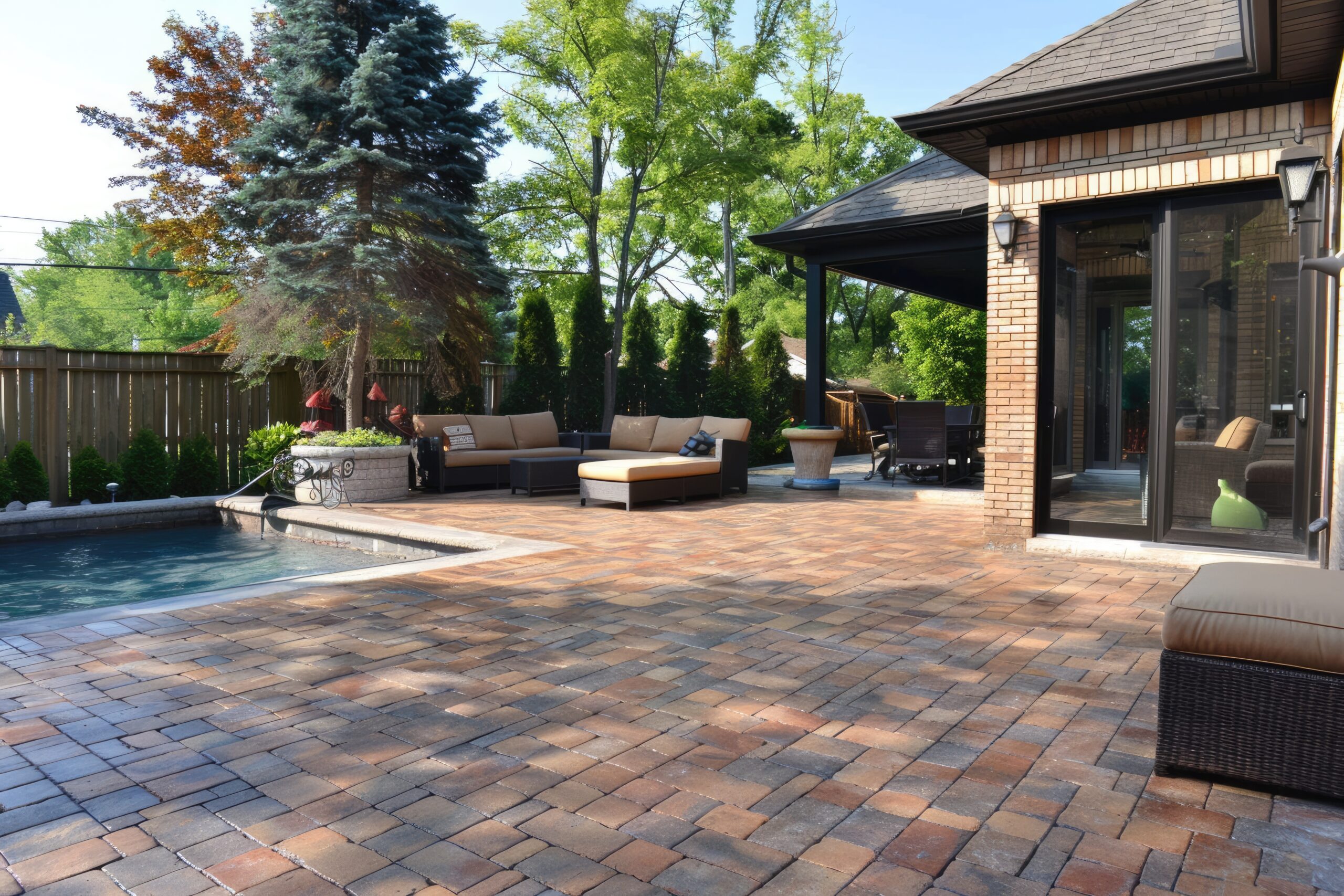
For properties with larger concerns, reviewing the overall structure through Lassana’s stonework and masonry services can help guide the next steps:
Repair Options for Stone and Brick Surfaces
Repair methods depend on the type and severity of the damage. Minor cracks often require joint repair or resetting small sections, while larger issues may involve rebuilding parts of the surface.
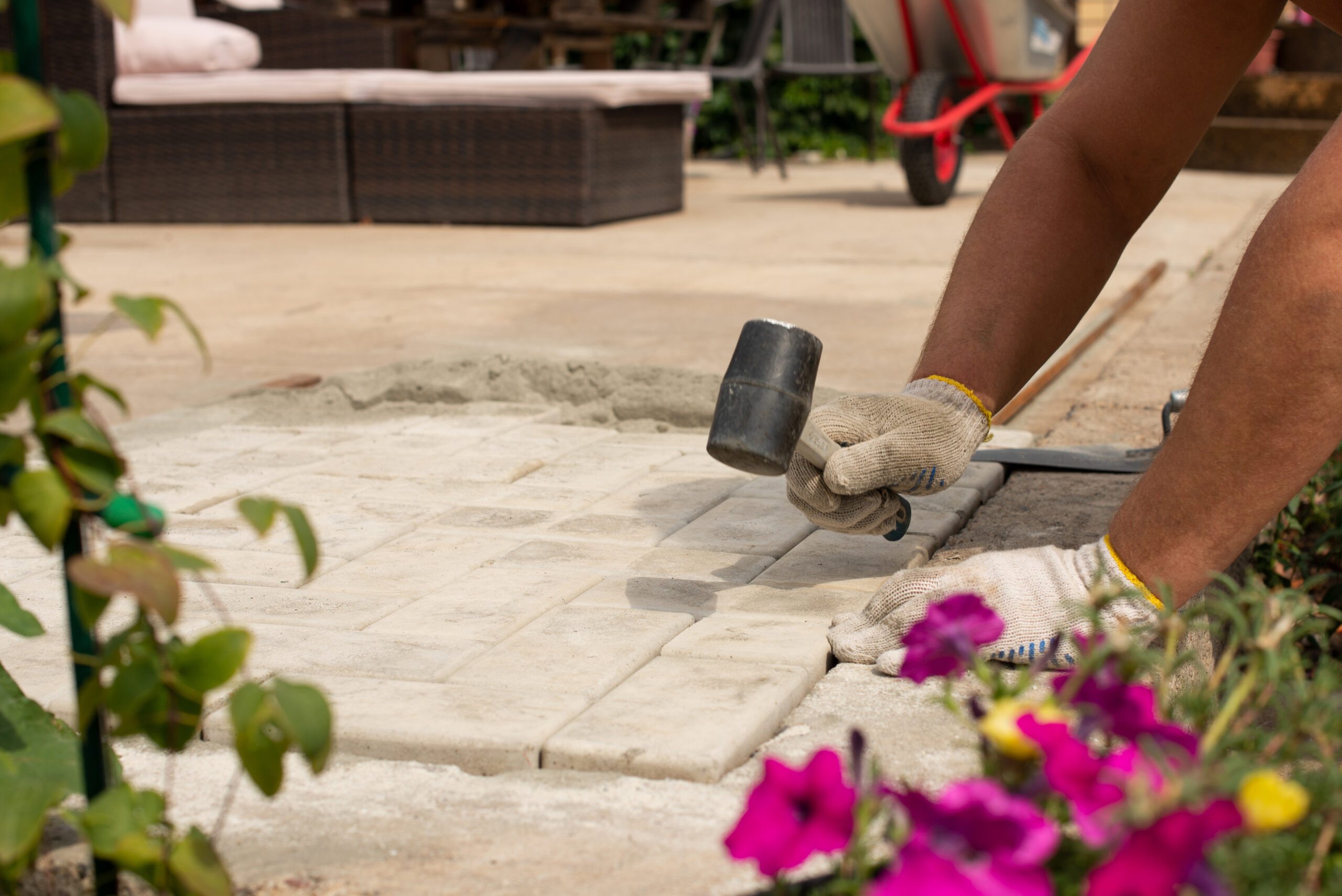
Repointing mortar joints restores stability between stones or bricks and helps prevent water from entering again. Resetting loose pavers corrects uneven areas and improves safety.
In cases where the base has shifted, sections may need to be lifted and reinstalled with proper support underneath.
Each repair should address both the visible damage and the cause behind it.
The Role of Drainage in Preventing Future Cracks
Drainage often determines how well masonry holds up through winter. Water that sits on or beneath surfaces increases the risk of freeze-thaw damage.
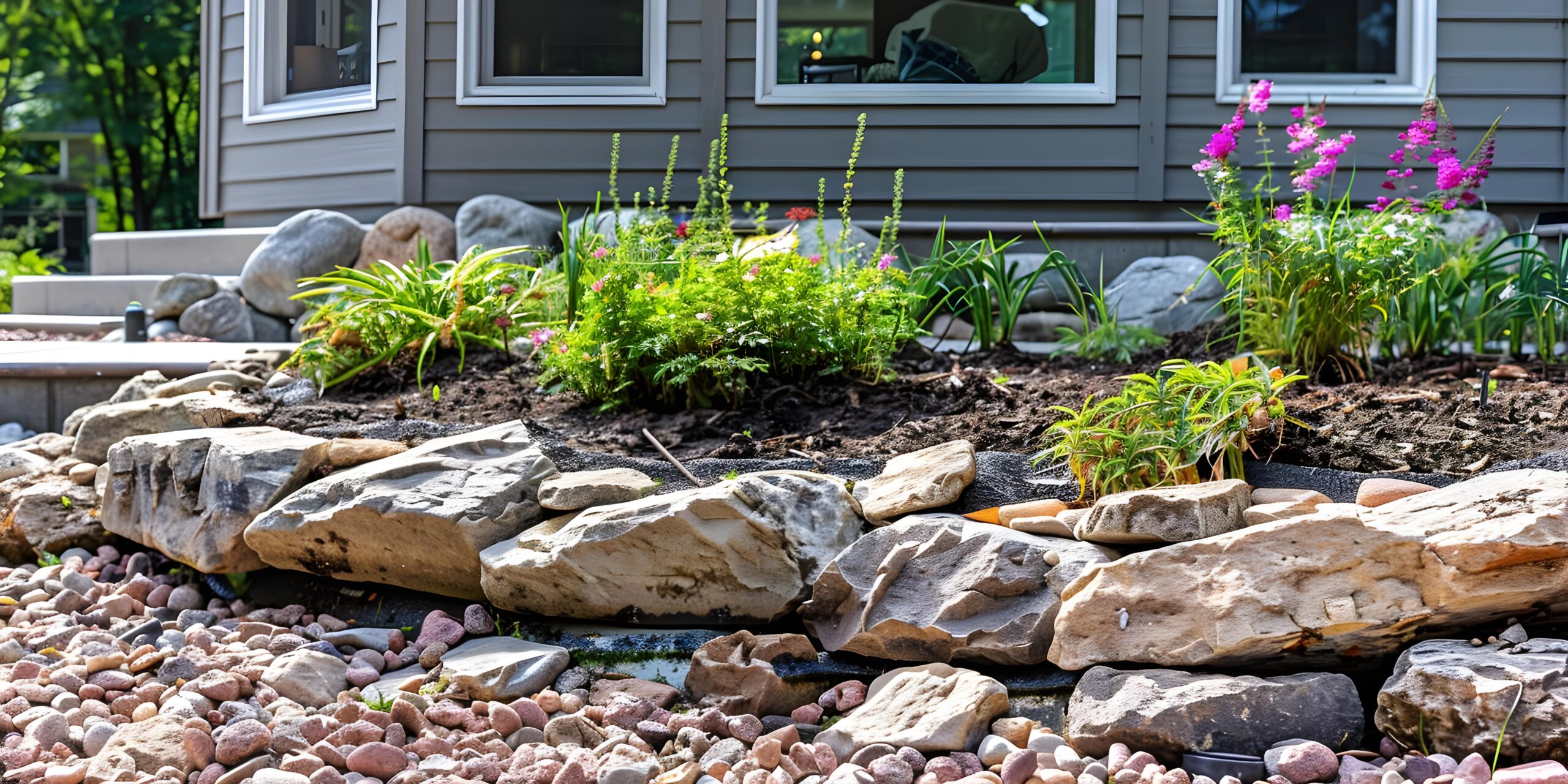
Improving drainage can involve adjusting grading, adding proper base materials, or directing water away from key areas. These changes reduce stress on stone and brick over time.
Retaining walls and structural features also influence water flow. When designed correctly, they help manage moisture and protect nearby surfaces.
Preventive Steps After Repairs
Once repairs are complete, a few simple steps can help extend the life of stone and brick surfaces. These steps focus on limiting moisture and supporting stability.
- Keep surfaces clean and free of debris
- Monitor drainage after heavy rain
- Address small cracks as they appear
- Avoid heavy impact on repaired areas
- Schedule seasonal inspections
These actions help reduce the chance of repeated damage during future winters.
When to Consider Full Replacement
Some surfaces reach a point where repairs no longer provide lasting results. Widespread cracking, major shifting, or repeated issues often point to deeper problems within the base.
In these cases, replacing sections of the surface may provide a better long-term outcome. A properly built base with good drainage supports stronger performance through future freeze-thaw cycles.
A full evaluation helps determine whether repair or replacement is the better option.
Keeping Masonry Strong Through Seasonal Changes
Stone and brick surfaces face constant exposure to changing weather, and winter tends to reveal weak points that develop over time. Addressing those issues early helps maintain both appearance and function.
Fixing cracked stone and brick after freeze-thaw cycles is not only about appearance. It protects the structure and supports long-term durability.
With proper repair and attention to drainage, masonry surfaces can continue to perform well through each season.