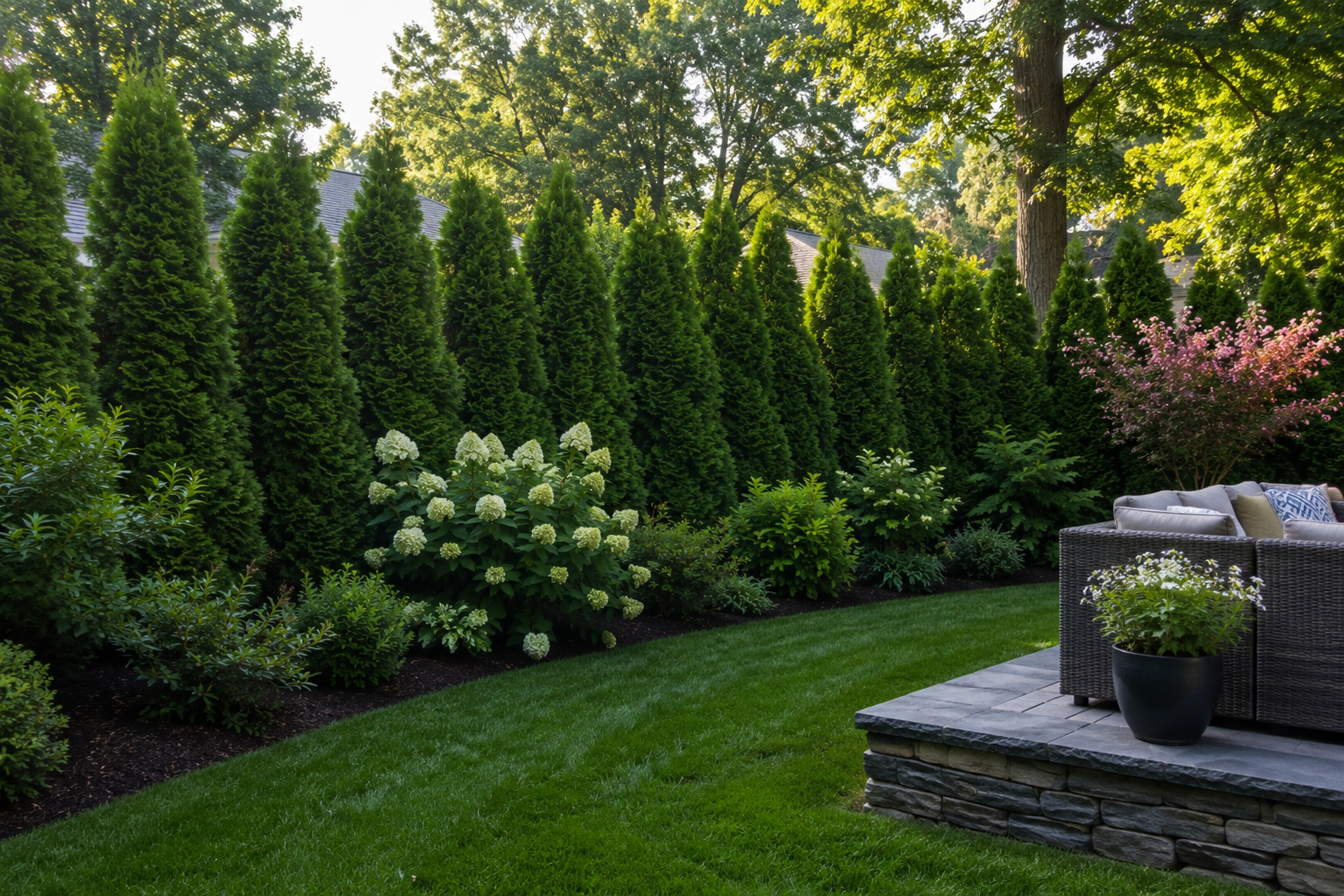
Native plants for Massachusetts bring structured focus to landscapes, and they grow in step with local weather patterns without constant adjustment. For homeowners planning updates, they offer a practical way to build a landscape that holds up year after year.
This approach reduces the need for frequent replacement, and it supports a landscape that improves with time instead of working against the environment. It also creates a setting that feels more natural, since plant choices reflect what already belongs in the region.
Why Native Plants Work in Massachusetts Landscapes
Plants that grow naturally in the Massachusetts have already adapted to cold winters, warm summers, and wide temperature swings across the seasons. That natural fit leads to stronger growth, and it limits the setbacks often seen with non-native species.
Native plants respond well to local soil conditions, and they require less watering once their roots take hold. Over time, they settle into the landscape and become more consistent from one season to the next.
They also support the surrounding environment. Pollinators and wildlife depend on familiar plant species, and native plantings help maintain that balance across the property.
Many native species also show better recovery after harsh winters, and they return with steady growth once temperatures rise again. This resilience adds long-term value to the landscape.
Long-Term Benefits of Native Planting
A well-planned landscape should improve over time, and native plants tend to establish with fewer issues once they take root. They grow at a steady pace, and they adjust to seasonal changes without constant intervention.
Some of the main benefits include:
- Better adaptation to seasonal weather changes
- Reduced need for irrigation after establishment
- Stronger resistance to local pests and disease
- Lower maintenance compared to non-native species
- Support for pollinators and local ecosystems
These advantages build over time, and they lead to a landscape that becomes easier to manage with each passing season. The result is not just lower maintenance, but also a more predictable and stable outdoor space.
Timing Native Plant Installation
Timing plays a clear role in planting success, and spring or early fall often provide the best conditions for most native species. Spring planting allows roots to develop before summer heat arrives, while fall planting supports steady establishment in cooler soil.
Planting too early can expose roots to cold stress, and waiting until soil temperatures begin to rise creates a more stable environment for growth. Soil that is too wet can also create problems, so timing should reflect both temperature and ground conditions.
Careful timing helps plants settle in without added strain, and it supports stronger development during the first growing season. A good start often determines how well plants perform in later years.
Preparing the Landscape Before Planting
Preparation sets the stage for long-term performance, and native plants benefit from healthy soil and proper placement. Before planting begins, it helps to review grading and drainage across the property so water moves away from structures.
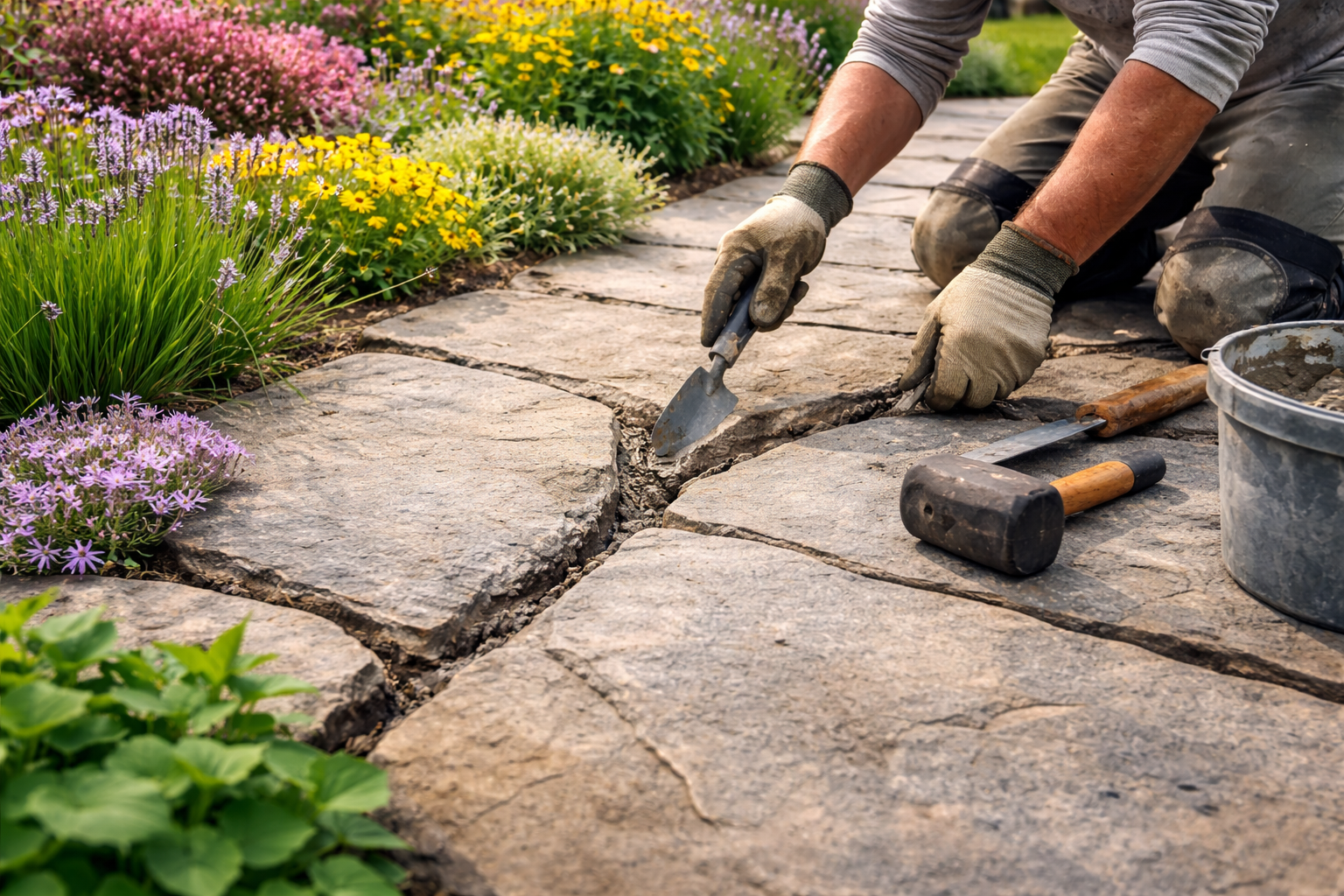
Hardscape features influence how planting beds perform, and walkways, patios, and retaining walls guide both movement and water flow across the landscape.
Completing those elements first prevents disruption later, and it creates a stable base for planting. You can explore structural improvements through Lassana’s masonry services.
Soil preparation also plays a role. Removing debris, loosening compacted areas, and adding organic material can improve early root development. These steps help plants establish more evenly across the space.
Placement Matters as Much as Plant Choice
Choosing the right plant is only part of the process, and placement determines how well that plant performs over time. Sun exposure, soil type, and spacing all influence growth, so each factor should be considered before installation.
Grouping plants with similar needs simplifies care, and it supports more consistent growth across the landscape. This approach also creates a more natural appearance once plants mature.
Spacing should reflect mature size rather than current appearance, since overcrowding leads to competition for light and nutrients. Plants that have room to grow tend to fill in more evenly and maintain better structure.
It also helps to think about seasonal changes. Some plants provide early color, while others hold interest later in the year, and mixing both creates a more balanced landscape.
Integrating Native Plants with Hardscape
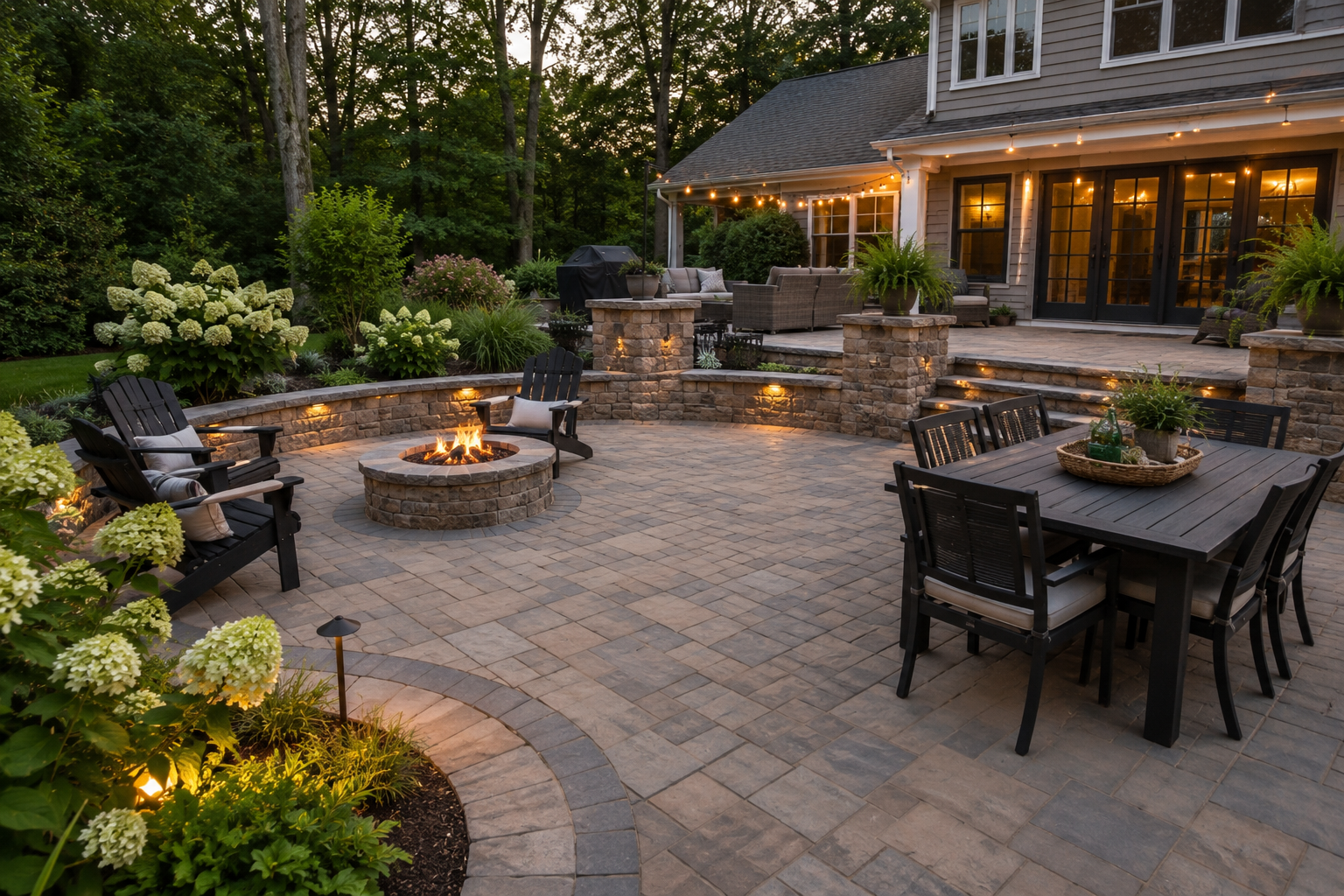
Native plantings work best when paired with strong structural elements, and stone features help define layout while guiding movement through the space. Retaining walls shape planting beds, and they hold soil in place as plants establish.
Walkways create clear paths, and they help organize how the landscape functions day to day. When these features are planned alongside planting, the result feels balanced and well-structured.
More details on these elements can be found on Lassana’s retaining wall services page.
Hardscape also helps manage wear. Foot traffic, drainage flow, and seasonal use all affect planting areas, and defined surfaces protect those spaces over time.
Maintenance Expectations Over Time
Native plants reduce maintenance needs, yet they still require seasonal care to stay healthy and well-shaped. Pruning, cleanup, and occasional soil improvements support steady growth.
Once established, many native species need less water and fewer adjustments, which makes them a practical choice for long-term landscapes.
Maintenance often shifts from frequent correction to simple upkeep. This change makes the landscape easier to manage and more predictable through each season.
A Practical Approach to Landscape Design
Native plants offer a direct path to a durable landscape, and they align with local conditions in a way that supports long-term performance. Planning, timing, and placement all play a role, and each step builds on the next.
When these elements come together, the landscape performs better and holds its structure through seasonal changes. Homeowners often see steady improvement, and the space becomes easier to manage with each passing year.
A thoughtful plan, combined with the right plant choices, creates a landscape that works with the environment instead of against it. That balance leads to stronger results and a more lasting outdoor space.