Spring planting planning often begins before the ground softens. Many homeowners wait for warmer weather, yet the best results come from preparation done in late winter. This early window allows time to evaluate the property, organize materials, and set a clear direction for the season ahead.
A landscape that receives attention before planting begins tends to establish faster and require fewer adjustments. Careful planning also helps avoid rushed decisions once spring schedules fill.
Why Spring Planting Planning Starts Before the Thaw
Late winter provides a clear view of the landscape. Trees remain bare, plant beds sit exposed, and existing issues stand out without dense growth covering them. This makes it easier to evaluate layout, spacing, and overall condition.
Spring planting planning during this period allows homeowners to think through placement without pressure. Once the ground thaws, attention shifts to execution. Early planning keeps that process organized.
It also creates time to coordinate planting with any structural work that may be needed first.
Evaluating the Current Landscape
A successful planting season begins with a careful look at the existing space. Walk the property and note areas that struggle with drainage, compacted soil, or uneven grading. Pay attention to how water moves after snow begins to melt. Low spots often become clear at this time, and those areas may need adjustment before planting begins.
Existing hardscape also plays a role. Walkways, patios, and retaining walls influence where planting beds should sit. Reviewing these elements early helps avoid conflicts later.
For homeowners considering updates to these features, it helps to review available options through Lassana’s masonry services.
Preparing Soil Before Planting Begins
Healthy soil supports strong root systems. Spring planting planning should include soil preparation well before plants go into the ground.
Testing soil conditions provides useful information about pH levels and nutrient balance. Adjustments can then be made gradually rather than all at once.
Loosening compacted soil improves drainage and airflow. Organic matter can be added to support long-term soil structure. These steps create a better environment for roots to establish once planting begins.
Defining Planting Areas and Layout
Clear layout planning prevents overcrowding and uneven growth. During spring planting planning, it helps to mark out planting beds and visualize how they will look once mature.
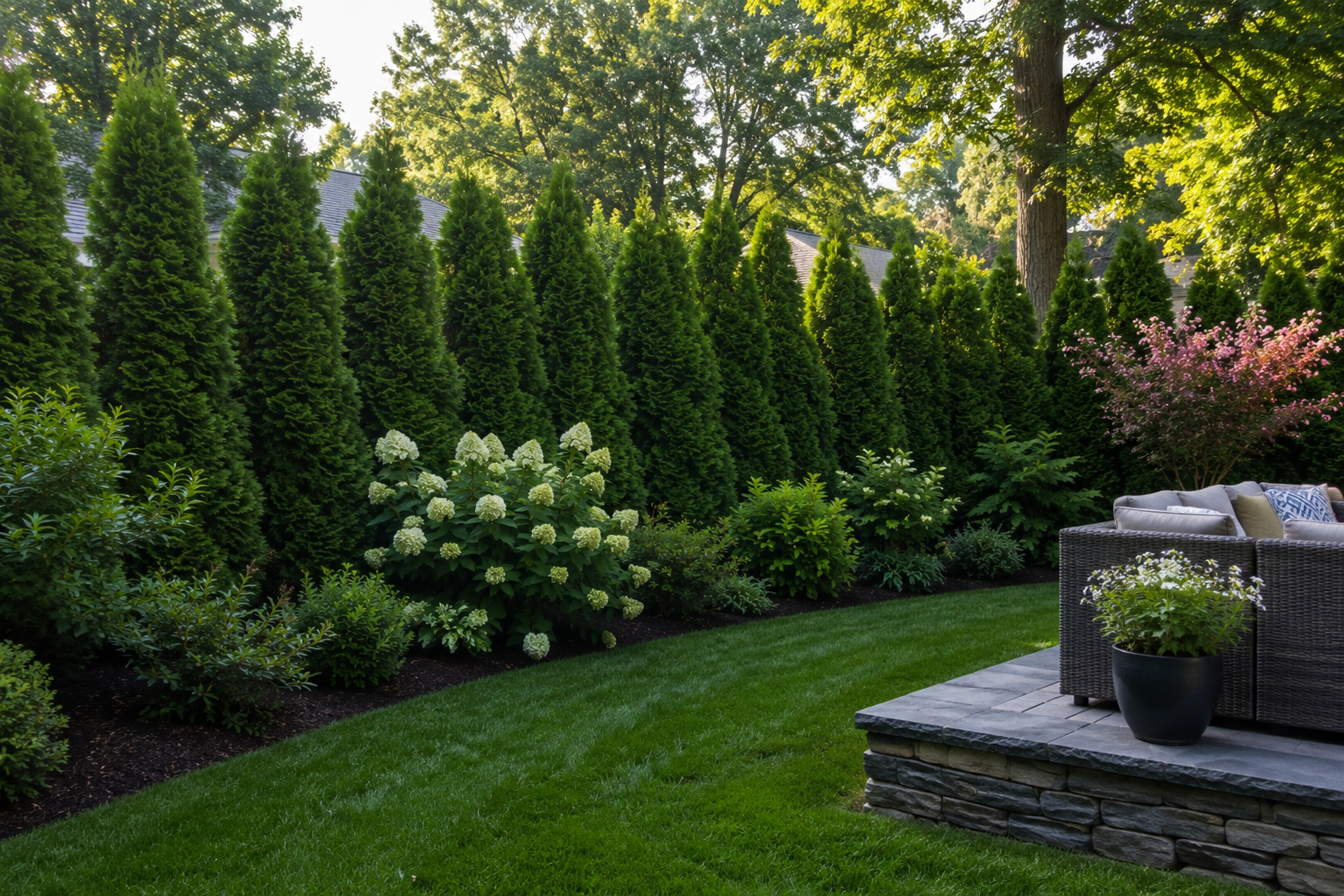
Consider spacing between plants, sightlines from the home, and how the landscape connects from one area to another. Defined edges also help separate planting beds from lawns or walkways.
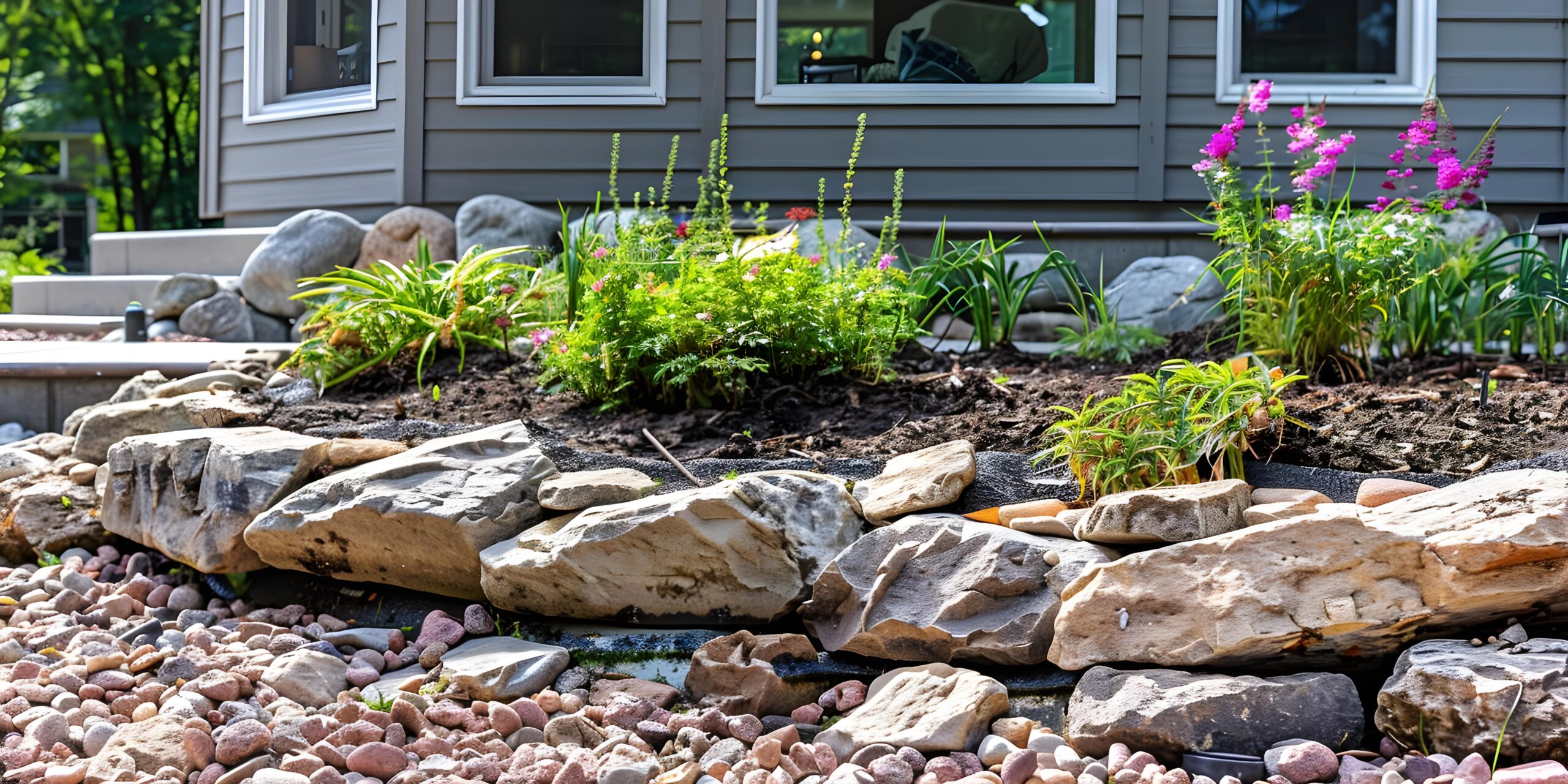
Retaining walls and borders often shape these spaces. They provide structure and keep soil in place over time. More information about these features can be found on Lassana’s retaining wall services page.
Choosing the Right Plants for the Property
Plant selection plays a major role in long-term success. Spring planting planning should take into account sunlight, soil conditions, and available space.
Plants that match the environment tend to require less maintenance and adapt more easily. Native species often perform well in Northeast landscapes due to their ability to handle seasonal shifts.
It also helps to think about growth over time. Small plants will expand, and spacing should reflect their mature size rather than their current appearance.
Timing Planting for Best Results
Planting too early can expose roots to cold stress. Planting too late can limit establishment before summer heat arrives. Spring planting planning helps identify the right window based on local conditions.
Once soil temperatures rise and frost risk decreases, planting can begin with confidence. Having preparation complete allows for quick action when that window opens. This timing supports stronger root development and better overall plant health.
Benefits of Early Spring Planting Planning
Planning ahead simplifies the entire process and leads to better outcomes.
Key benefits include:
- Improved soil conditions before planting begins
- Clear layout that supports balanced growth
- Reduced stress on plants during installation
- Better coordination with hardscape features
- Fewer changes once planting is underway
These advantages carry through the entire growing season.
Coordinating Planting with Hardscape Features
Landscapes work best when structural and living elements support each other. Spring planting planning should account for any planned hardscape updates before planting begins.
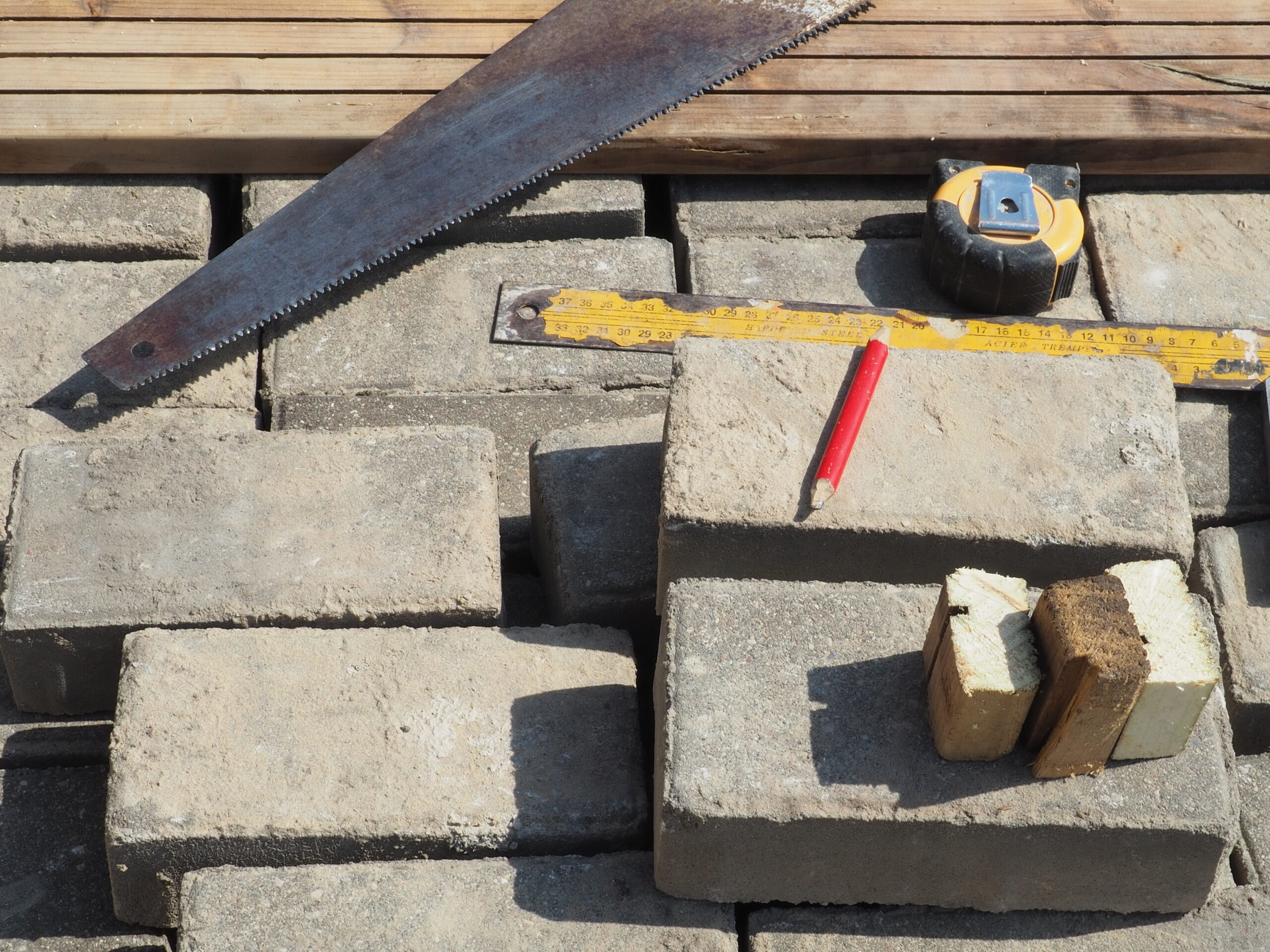
Installing patios, walkways, or walls after planting often disrupts soil and damages roots. Completing those elements first allows planting beds to remain undisturbed. This coordination creates a cleaner and more stable final result.
Moving from Planning to Planting
Once preparation is complete, planting becomes more efficient. Materials are ready, layout is defined, and soil conditions support healthy growth.
Spring planting planning reduces hesitation during this stage. Each step follows a clear plan, and adjustments remain minimal. The result is a landscape that establishes quickly and continues to improve throughout the season.
Building a Landscape That Lasts
Strong landscapes begin with thoughtful preparation. Spring planting planning sets the stage for healthy growth, balanced design, and long-term performance. Taking time before the ground thaws creates better outcomes once planting begins. It allows each element of the landscape to work together without conflict.
Homeowners who plan early often enjoy smoother projects and more consistent results as the season unfolds.