Spring brings renewed attention to outdoor spaces. Homeowners begin planning new gardens, fresh planting beds, and updated yard layouts. One step often gets overlooked during spring landscape preparation, and that step involves building the hardscape before installing plants.
Stone patios, walkways, retaining walls, and steps form the backbone of a landscape design. These elements guide how people move through the space and how water travels across the property. Installing those features first creates a stable foundation for everything that follows.
Landscapes built in the correct sequence tend to last longer and require fewer corrections later.
Why Spring Landscape Preparation Should Begin with Hardscape
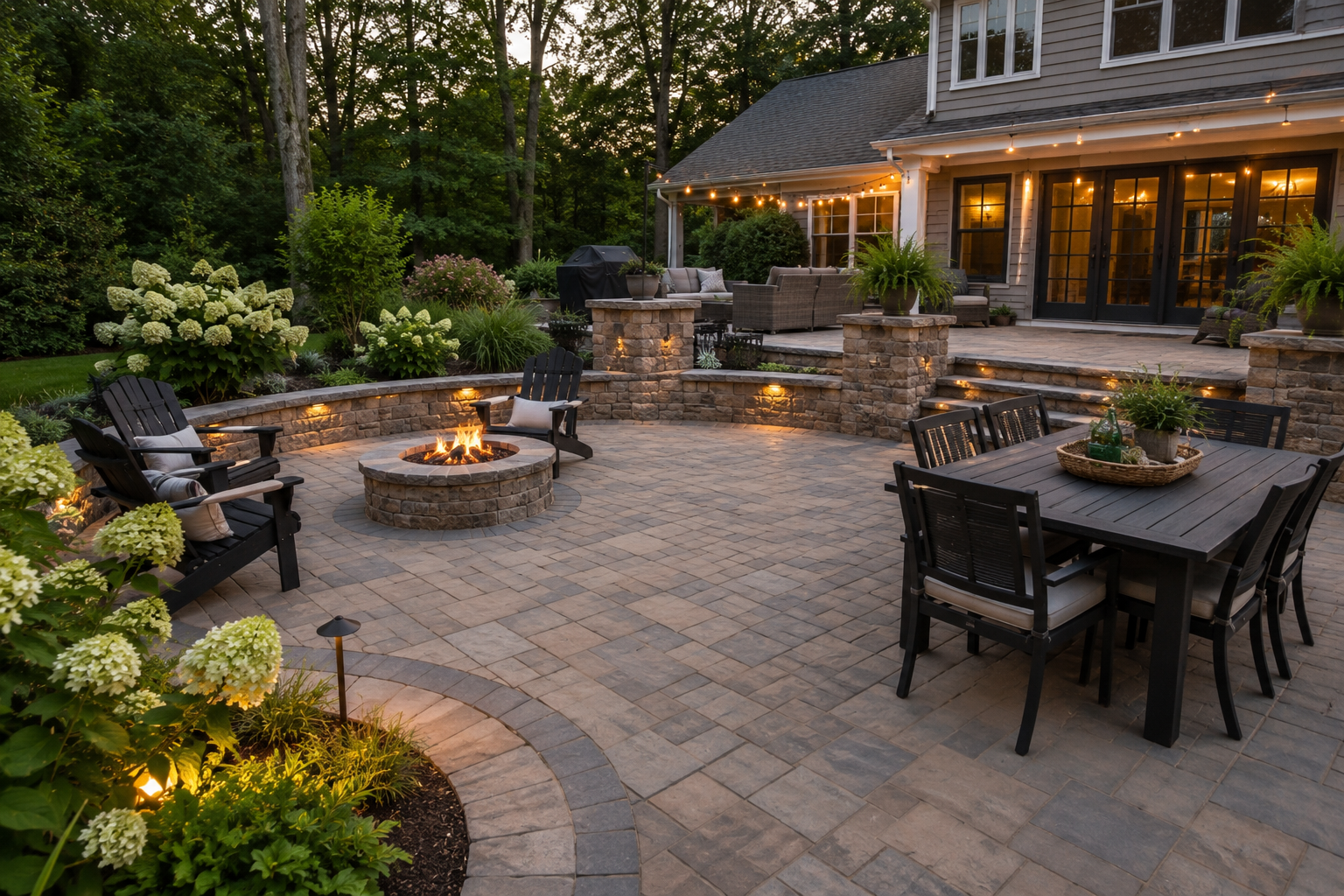
Hardscape provides the structure of a landscape. Walkways guide visitors across the yard. Patios establish gathering spaces for seating and dining. Retaining walls stabilize slopes and help manage soil.
Plantings fill the space with color and texture, yet they depend on the structure around them. Installing hardscape first prevents later disruptions to garden beds and protects new plantings from damage during construction.
This order also gives designers a clear picture of how the finished space will function.
Construction Activity Can Damage New Plants
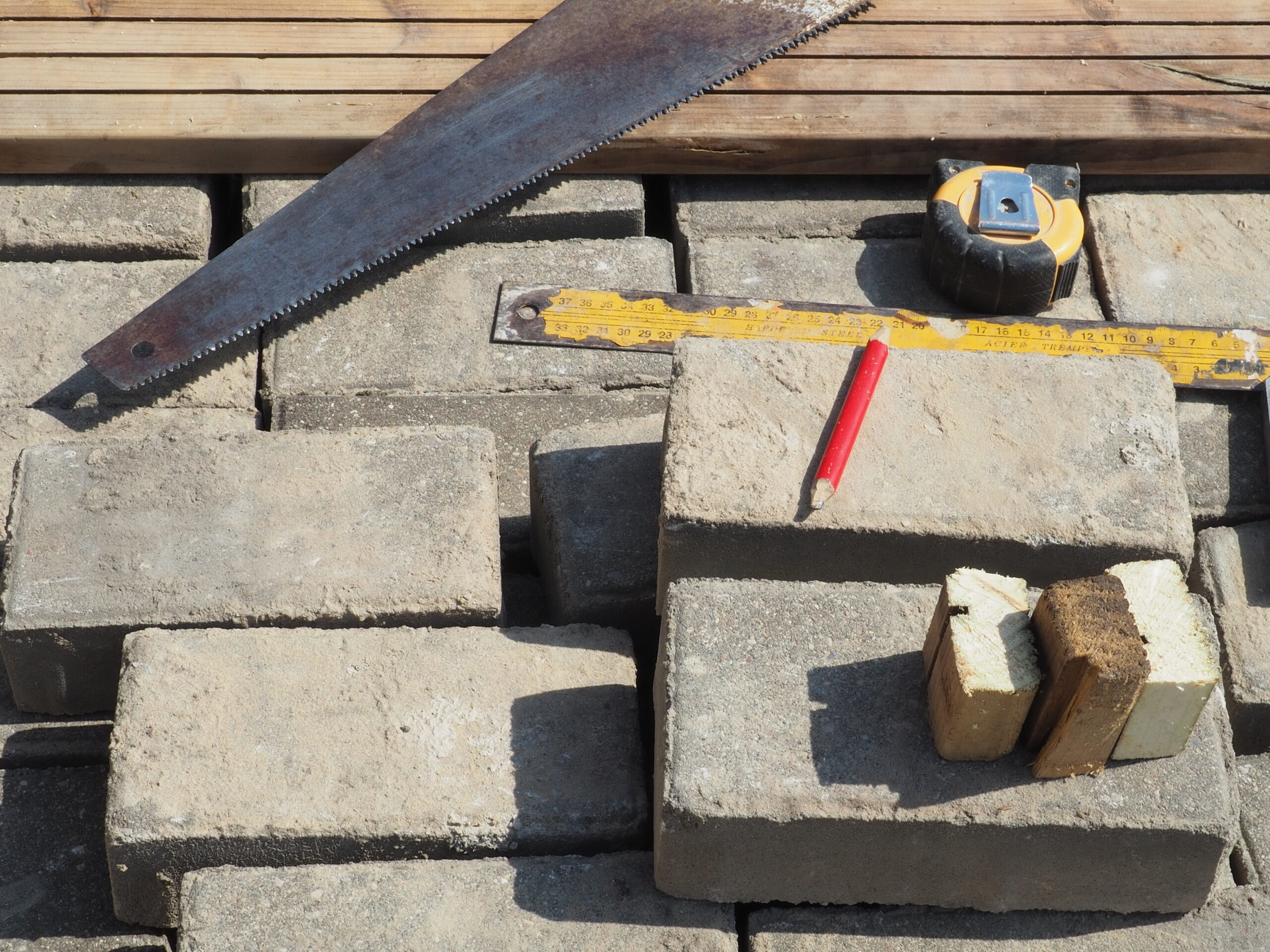
Masonry projects require materials, equipment, and repeated movement across the property. Stone pallets, gravel, and sand must reach the installation area, and crews need clear working space to complete the project.
New plants struggle in that environment. Soil compaction restricts root growth, and repeated foot traffic reduces oxygen in the soil. Even small disturbances weaken plants during their first growing season.
Completing hardscape work first avoids these risks and gives plants a stable environment once installation begins.
Soil Grading Changes During Hardscape Installation
Hardscape construction often reshapes the land. Patios require compacted base layers, and walkways need slight slopes that guide water away from surfaces.
Retaining walls also shift soil levels as they stabilize slopes or create terraces. Planting beds installed too early often require adjustment after this work is complete.
Spring landscape preparation works best when grading and structural work happen before planting begins.
Drainage Planning Improves Landscape Performance
Water management plays a major role in any landscape design. Hardscape elements influence where water travels during rainstorms or snow melt.
Installing stonework first allows builders to observe drainage patterns and adjust slopes if necessary. Planting beds can then be placed where soil conditions support healthy growth.
Good drainage also protects masonry surfaces from long-term damage. You can learn more about durable stonework through Lassana’s masonry services.
Hardscape Defines the Landscape Layout
Many homeowners imagine planting beds first. In practice, the opposite order creates better results.
Stone paths determine how people move through the yard. Patios establish gathering areas, and steps guide transitions between elevations. Once these features are in place, planting beds can be designed with clear borders and proportions.
The landscape begins to take shape in a more intentional way.
Benefits of Completing Hardscape Before Planting
Spring landscape preparation becomes simpler when projects follow a clear sequence.
Key benefits include:
- Protection for young plants during construction
- Proper soil grading and drainage control
- Clear definition of planting beds and lawn areas
- Fewer disruptions to finished landscape sections
- Better coordination between masonry and planting design
Projects that follow this order often move more efficiently from one phase to the next.
Retaining Walls Often Shape Garden Spaces
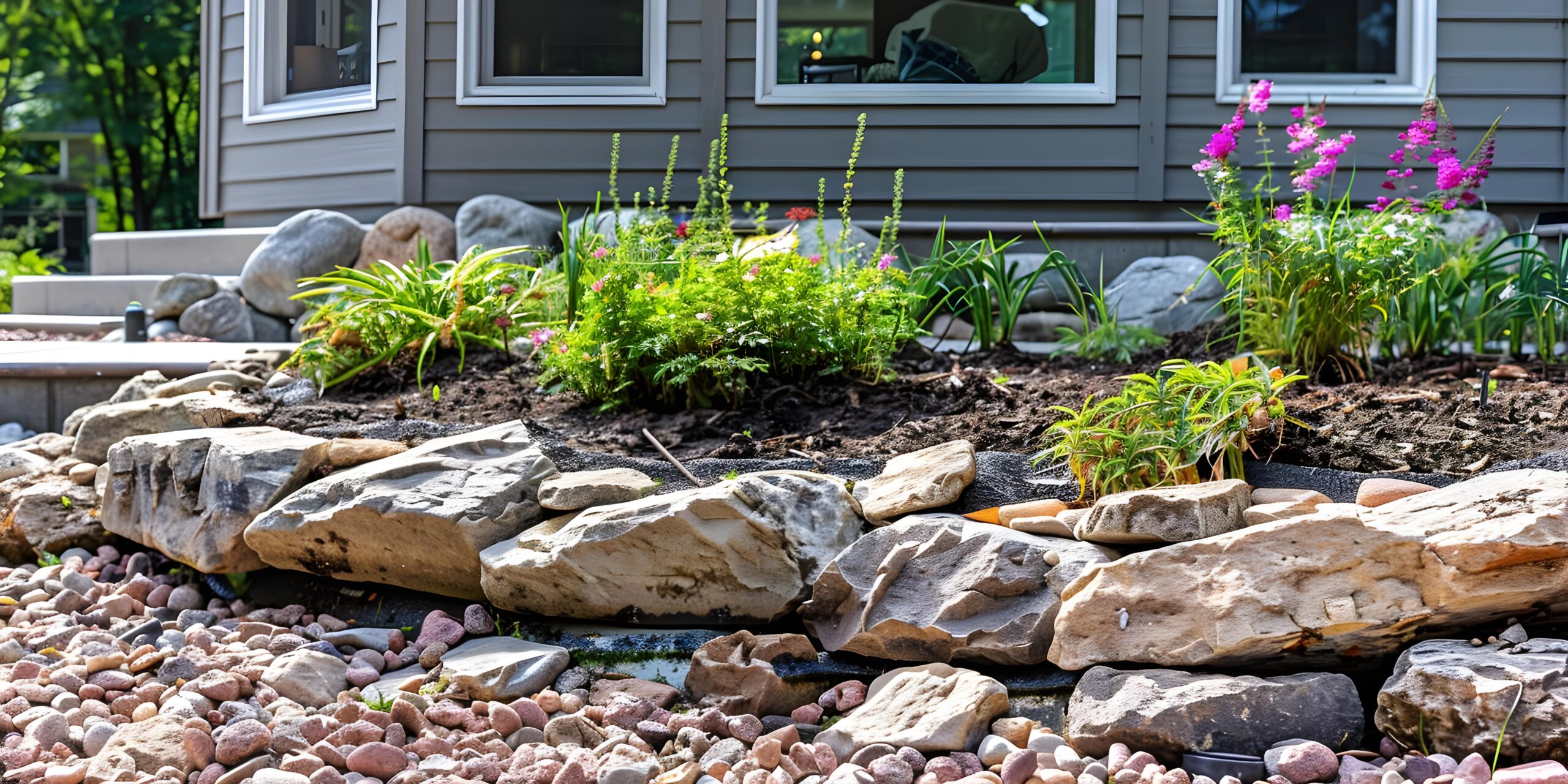
Retaining walls influence both structure and aesthetics in many landscapes. They hold soil in place and create level spaces for planting beds.
Installing walls first establishes clear boundaries for those beds. Soil remains stable behind the wall, which helps shrubs and flowers develop stronger root systems.
Homeowners planning terraces or sloped gardens benefit from completing these structures before planting. Additional details about these systems are available on Lassana’s retaining wall services page.
Timing Spring Projects for the Best Results
Early spring provides favorable conditions for masonry work. Temperatures support proper curing, and soil conditions allow crews to prepare stable foundations.
Completing hardscape work early leaves plenty of time for planting once the ground warms. Plants installed after construction often adapt faster because the surrounding soil remains undisturbed.
This approach keeps both phases of the project moving smoothly.
A Balanced Landscape Design
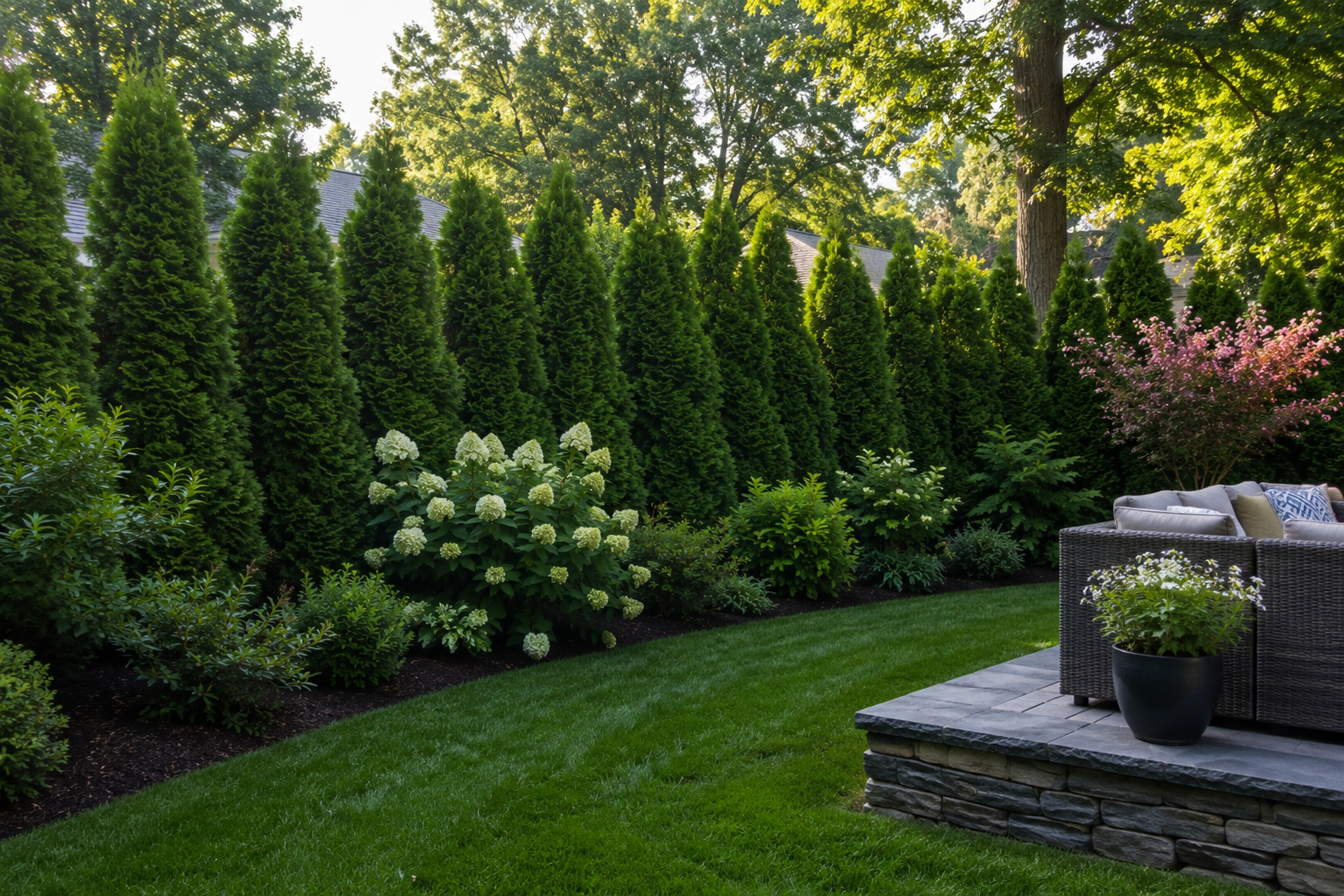
Strong landscapes combine structure with living elements. Hardscape provides stability, shape, and long-term durability. Plantings soften the space and introduce seasonal color.
Spring landscape preparation allows both parts of the design to work together. Building the structure first protects the plants that follow.
Homeowners who follow this order often end up with landscapes that look balanced, perform well, and mature gracefully over time.