Winter masonry damage often develops quietly, and spotting early signs before the spring thaw helps protect patios, walkways, walls, and steps from deeper structural problems.
Cold weather places steady pressure on masonry across the Northeast. Snow, ice, and freezing temperatures work together over several months. Moisture enters small openings, freezes, expands, then melts, and this cycle repeats again and again.
By late winter, many masonry surfaces show early warning signs. Catching them before spring moisture arrives limits repairs and protects long-term durability.
How Freeze-Thaw Cycles Affect Masonry
Masonry materials handle cold climates well, but freeze-thaw cycles remain their biggest seasonal challenge. Water enters pores, joints, and hairline cracks, then expands as it freezes.
That expansion pushes outward on stone, brick, and mortar. Over time, surfaces weaken, joints loosen, and small flaws grow larger. Snow piles add weight, while ice traps moisture in place.
Even strong masonry shows wear when winter patterns repeat often.
Visible Signs of Winter Masonry Damage
Some damage becomes obvious once snow melts. Other signs appear slowly and require careful inspection. Reviewing surfaces before spring helps catch problems early.
Common signs include:
- Cracks forming along mortar joints
- Stones or pavers shifting out of alignment
- Loose or missing joint material
- Flaking stone or concrete surfaces
- Uneven walking areas
- Gaps near edges or corners
Small changes often spread once warmer weather increases moisture movement.
Checking Walkways and Driveways After Winter
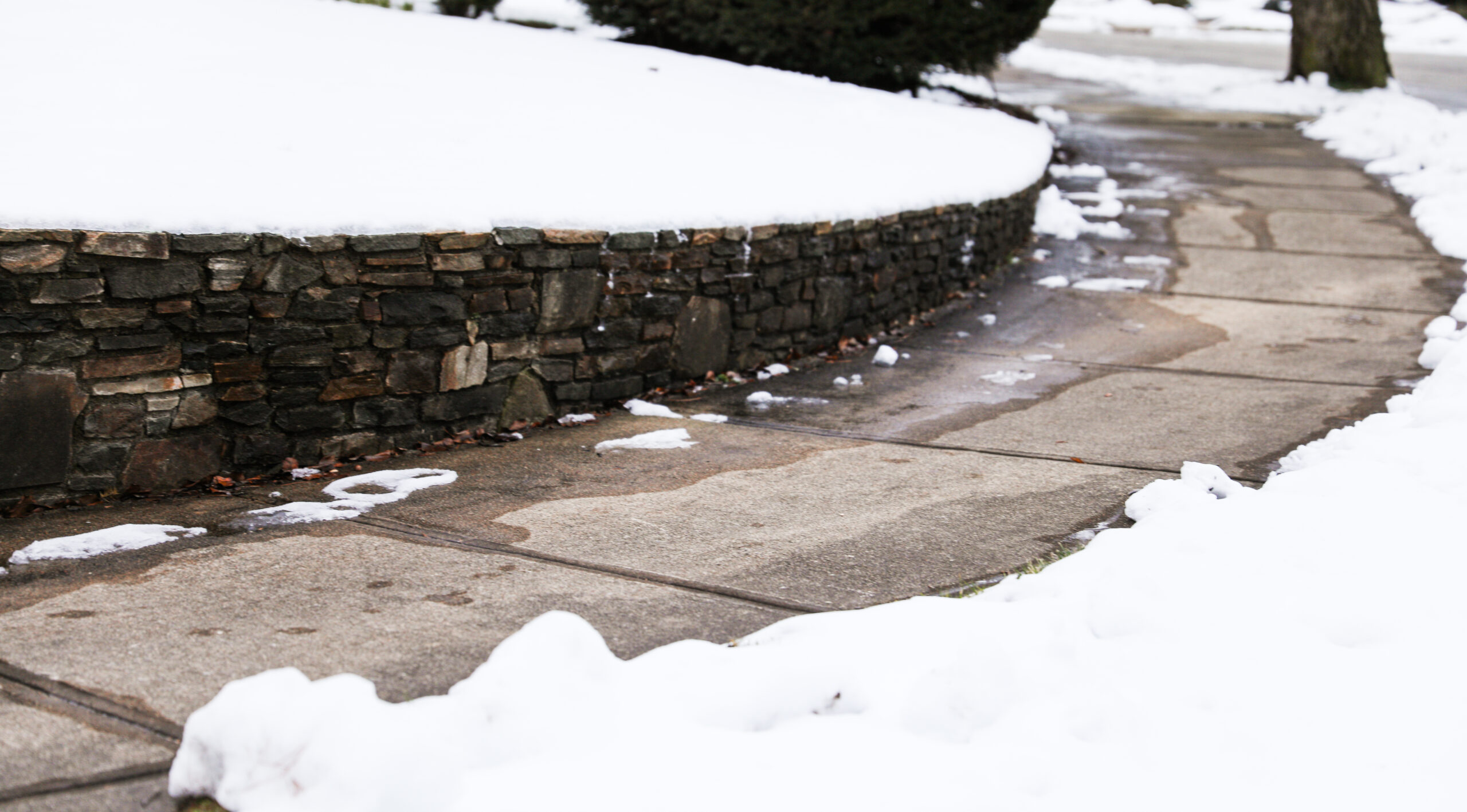
Walkways and driveways take heavy winter stress from foot traffic, snow removal, and ice buildup. Flat masonry surfaces often reveal damage first.
Look for low areas where water pools during thaw periods. These spots suggest joint failure or base movement below the surface. Edges near lawns shift as frozen soil expands and contracts.
Loose pavers allow water to refreeze beneath the surface, which speeds deterioration. Many homeowners review repair options through the walkways page on lassanas.com when planning early spring maintenance.
Inspecting Retaining Walls and Garden Walls
Walls experience added pressure during winter from frozen soil and trapped moisture. Retaining walls face outward force that increases as water freezes behind them.
Early signs include leaning sections, cracked mortar lines, or stones that appear misaligned. Damage near the base deserves close attention, since weakened joints allow water infiltration.
Addressing wall issues early reduces the risk of movement once spring thaw softens surrounding soil.
Masonry Steps and Stairs Under Winter Stress
Steps and stairs receive constant winter use, which concentrates wear along edges and joints. Ice melt residue and temperature swings accelerate surface breakdown.
Inspect step edges for chips or cracking. Uneven risers and loose treads point to movement below the surface. Handrails anchored into masonry should remain firm, without wobble.
Small shifts often worsen quickly during early spring moisture cycles.
Mortar Joint Wear and Early Failure
Mortar acts as the flexible bond holding masonry together, and winter often affects joints first. Aging mortar weakens faster during freeze-thaw exposure.
Warning signs include:
- Powdery residue near joints
- Mortar pulling away from stone edges
- Fine cracks following joint lines
- Gaps where material has fallen out
Damaged joints allow deeper moisture access and increase freeze-related stress.
Surface Scaling and Spalling
Scaling and spalling occur when moisture freezes near the surface and forces layers to separate. This damage appears as flaking, peeling, or chipped faces.
Horizontal areas show these signs first, including steps, patios, and wall caps. Once surface layers break away, deeper sections absorb more moisture and deteriorate faster.
Early repairs slow this cycle and protect the underlying structure.
Why Spring Thaw Makes Damage Worse
Spring thaw accelerates winter masonry damage. Frozen moisture melts, rain increases saturation, and warmer temperatures soften soil around hardscape features.
Areas that survived winter intact may fail during early spring. This timing makes late-winter inspections valuable, since early repairs reduce seasonal stress.
When Professional Masonry Inspection Helps
Some damage remains hidden without trained evaluation. Professionals identify drainage problems, base movement, and internal stress that often go unnoticed.
Professional review helps when:
- Cracks widen quickly
- Walls lean or bow
- Steps feel unstable
- Pavers sink or separate
- Drainage problems appear nearby
Many property owners schedule inspections through the masonry services page on lassanas.com to address winter masonry damage before spring projects begin.
Preventing Future Winter Masonry Damage
Preventive care reduces long-term wear from harsh winters. Sound joints, proper drainage, and routine inspections play a key role.
Helpful practices include:
- Clearing snow without scraping masonry
- Using masonry-safe de-icing products
- Maintaining joint material between pavers
- Redirecting runoff away from hard surfaces
- Scheduling seasonal professional reviews
These steps protect both appearance and function.
Planning Repairs Before Spring Demand Rises
Late winter allows time to plan repairs before spring demand increases. Early action prevents emergency fixes during wet months and supports coordinated improvements.
Using winter inspection findings to guide spring planning leads to better outcomes and controlled costs.
Final Thoughts on Winter Masonry Damage
Winter masonry damage rarely resolves on its own, and early detection before the spring thaw protects hardscape features while preserving long-term property value. Lassana’s skilled professionals are here to help with inspections, repairs, and maintenance this winter season.