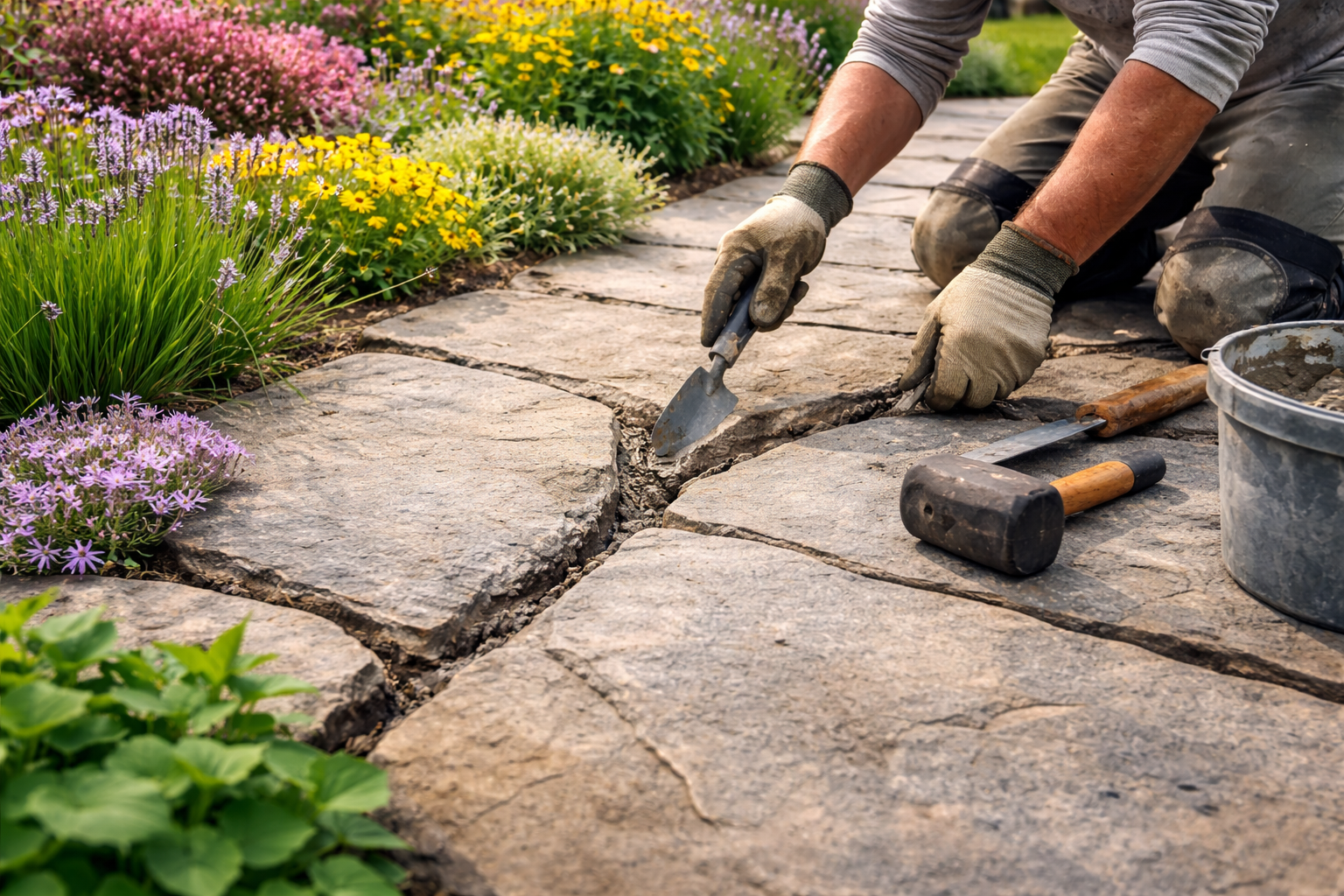
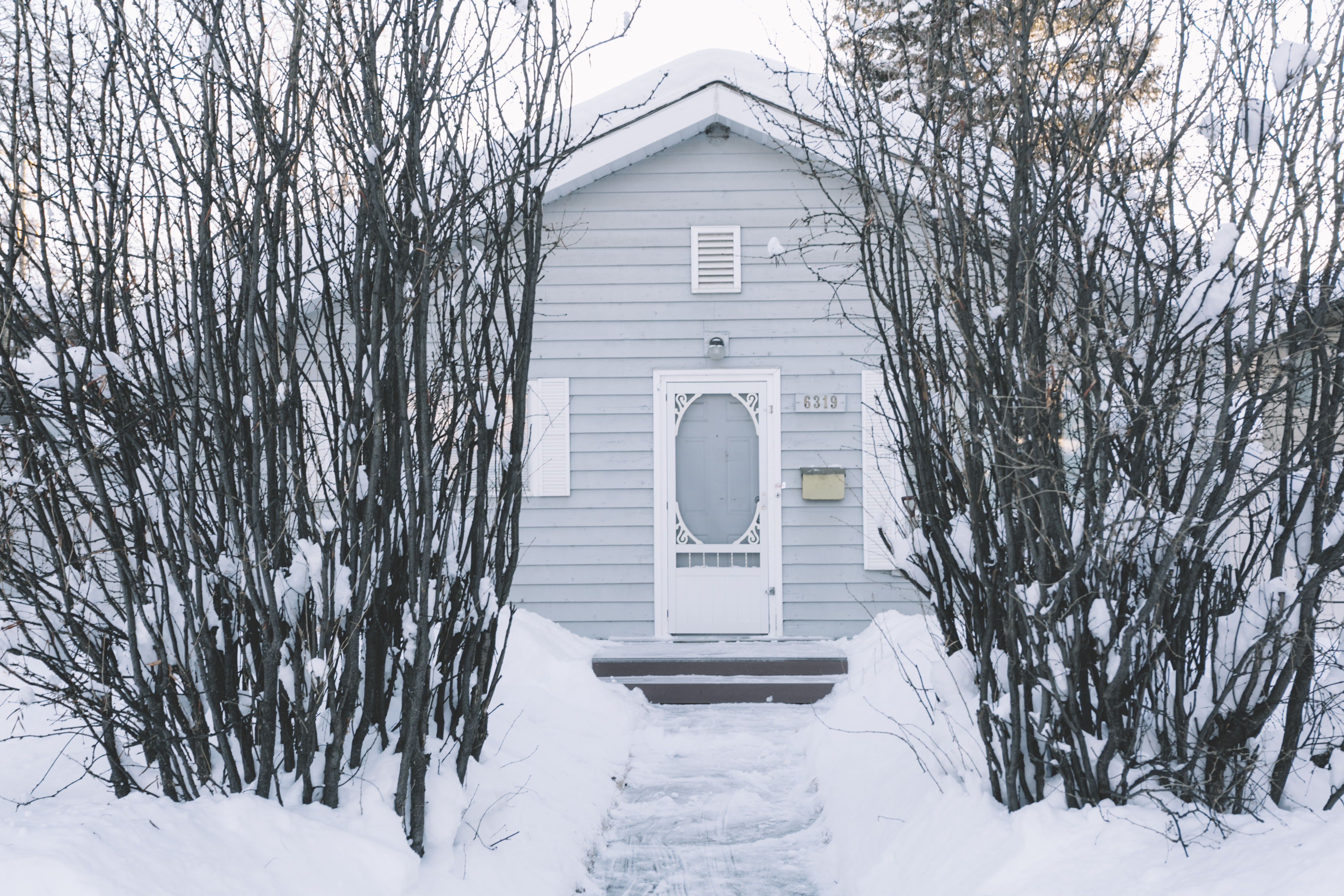
Stone paths and steps shape how people move across a property in winter. Snow and ice place steady pressure on these surfaces, and small issues can turn into safety risks fast. Winter walkway maintenance protects masonry, limits slip hazards, and reduces damage that worsens during the spring thaw.
In the Northeast, winter care depends on understanding how stone reacts to moisture, cold, and daily foot traffic. With consistent attention, walkways stay stable, safe, and visually clean through the harshest months.
Why Winter Walkway Maintenance Matters
Stone walkways face repeated freeze-thaw cycles. Water enters joints and surface pores, then expands as temperatures drop. That pressure loosens stones, weakens mortar, and creates uneven walking surfaces.
Foot traffic adds stress. Ice pressed into seams causes further movement. Without winter walkway maintenance, one loose stone often leads to more shifting nearby.
How Snow and Ice Affect Stone Paths and Steps
Snow alone causes little damage. Problems begin during melting and refreezing. Ice bonds tightly to stone, especially in shaded areas and along north-facing steps.
Steps face added strain. Treads collect water overnight, edges take shovel impact, and repeated freezing leads to surface wear. Over time, chips and cracks become more common.
Using the Right Snow Removal Tools
Snow removal protects stone only when tools match the surface. Metal shovels scrape stone faces and catch edges, which causes long-term damage.
Safer options include:
• Plastic snow shovels
• Rubber-edged pushers
• Soft-bristle brooms for light snow
Clear snow early and often. Thin layers reduce ice buildup and limit the need for chemical treatments.
Safer De-Icing Choices for Stone Walkways
Many common de-icers damage masonry. Rock salt and calcium chloride draw moisture into stone and accelerate surface breakdown.
Better alternatives reduce harm:
• Magnesium chloride applied sparingly
• Sand for traction without chemical stress
• Pet-safe products labeled for masonry
Always remove leftover residue once conditions improve. Repeated buildup leads to surface scaling and joint wear.
Managing Ice on Steps and Sloped Paths
Ice forms quickly on slopes and stair treads. These areas need extra care during winter storms. Clearing snow promptly reduces ice formation, and traction materials improve safety without stressing stone.
Can ice be chipped away safely? Yes, but only with plastic tools and gentle pressure. Metal tools damage edges and worsen long-term wear.
Midwinter Walkway Inspections
Winter walkway maintenance includes visual checks between storms. Small changes often signal larger problems.
Watch for:
• Stones that shift underfoot
• Cracking along joints
• Ice pooling in low areas
• Mortar loss at edges
Early attention prevents damage from spreading before spring.
Drainage and Winter Safety
Poor drainage increases winter damage. Water that sits on walkways freezes repeatedly and seeps into joints, weakening the base beneath stone surfaces.
Proper grading helps water move away from paths and steps. Well-built walkways shed moisture even during snowmelt.
Limiting Freeze-Thaw Damage
Sealing stone surfaces before winter reduces water absorption. Breathable sealants protect stone without trapping moisture. While sealing works best in fall, winter inspections still matter.
If wear appears during winter, plan repairs for early spring rather than delaying action.
Protecting Edges and Joints
Edges and joints show damage first. These areas absorb the most stress from ice expansion and foot traffic. Gentle snow clearing near edges reduces chipping, and keeping joints free of ice limits stone movement.
Professional masonry installation and repair help prevent these failures. Learn more about repair options on Lassana’s Masonry services page.
The Value of Professional Winter Care
Snow removal alone does not equal winter walkway maintenance. True care protects structure, appearance, and safety together.
Professional teams understand stone behavior in cold weather. Their methods reduce winter damage and prevent small issues from turning into major spring repairs.
Preparing for Spring Starts in Winter
Consistent winter care makes spring inspections easier. Clear surfaces reveal problems early, and timely fixes reduce structural damage during thaw cycles.
Stone paths that receive proper winter walkway maintenance last longer and require fewer repairs over time.
Final Thoughts on Winter Walkway Maintenance
Stone paths and steps support daily movement, even in snow and ice. Safe surfaces protect people and preserve property value. Winter walkway maintenance relies on steady habits, proper tools, and respect for masonry materials.
With careful snow removal, safe de-icing, and routine checks, stone walkways stay secure through winter and ready for the seasons ahead.