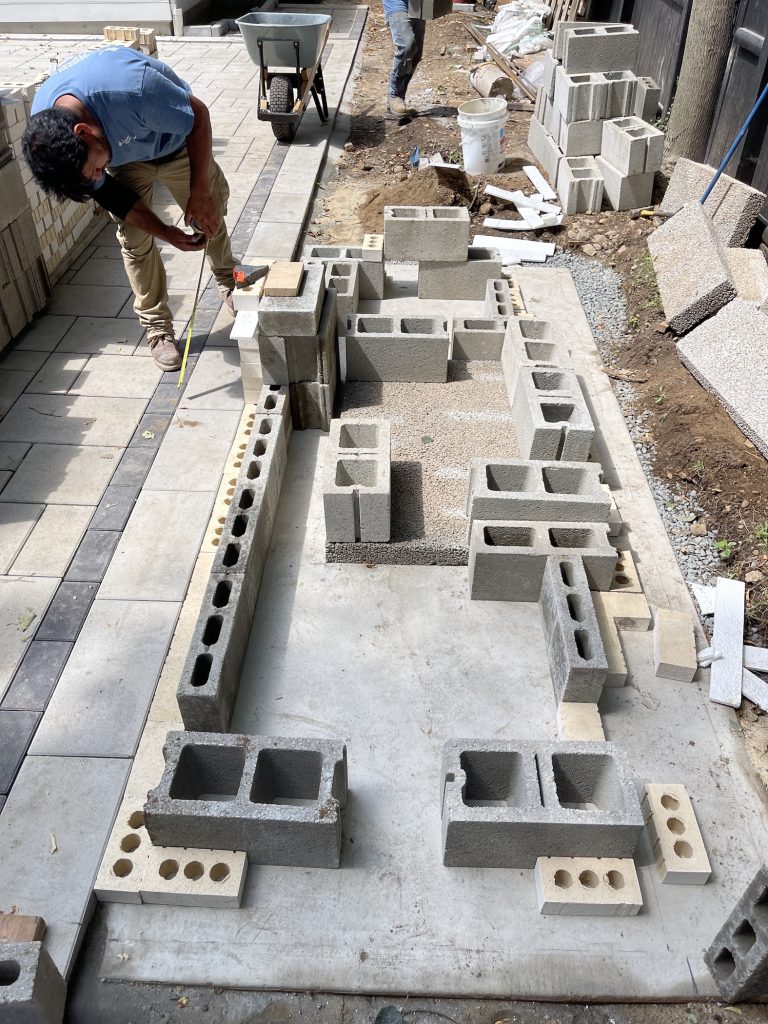
Spring hardscape planning begins long before soil warms or crews arrive on site. Winter offers the quiet window many property owners overlook, yet it shapes better patios, walls, and walkways once spring work begins. Planning early sets projects up for smoother schedules, clearer decisions, and stronger results that last through many seasons.
In the Northeast, winter places outdoor spaces on pause. Snow covers stonework, and frozen ground slows construction. That pause creates space to think clearly about layout, function, and long-term use. Spring hardscape planning done during winter avoids rushed choices and missed opportunities.
Why Spring Hardscape Planning Starts in Winter
Spring brings demand. Landscapers, masons, and material suppliers fill calendars fast. Waiting until thaw limits options and compresses timelines. Winter planning secures design time and helps avoid delays that push projects into summer heat or fall deadlines.
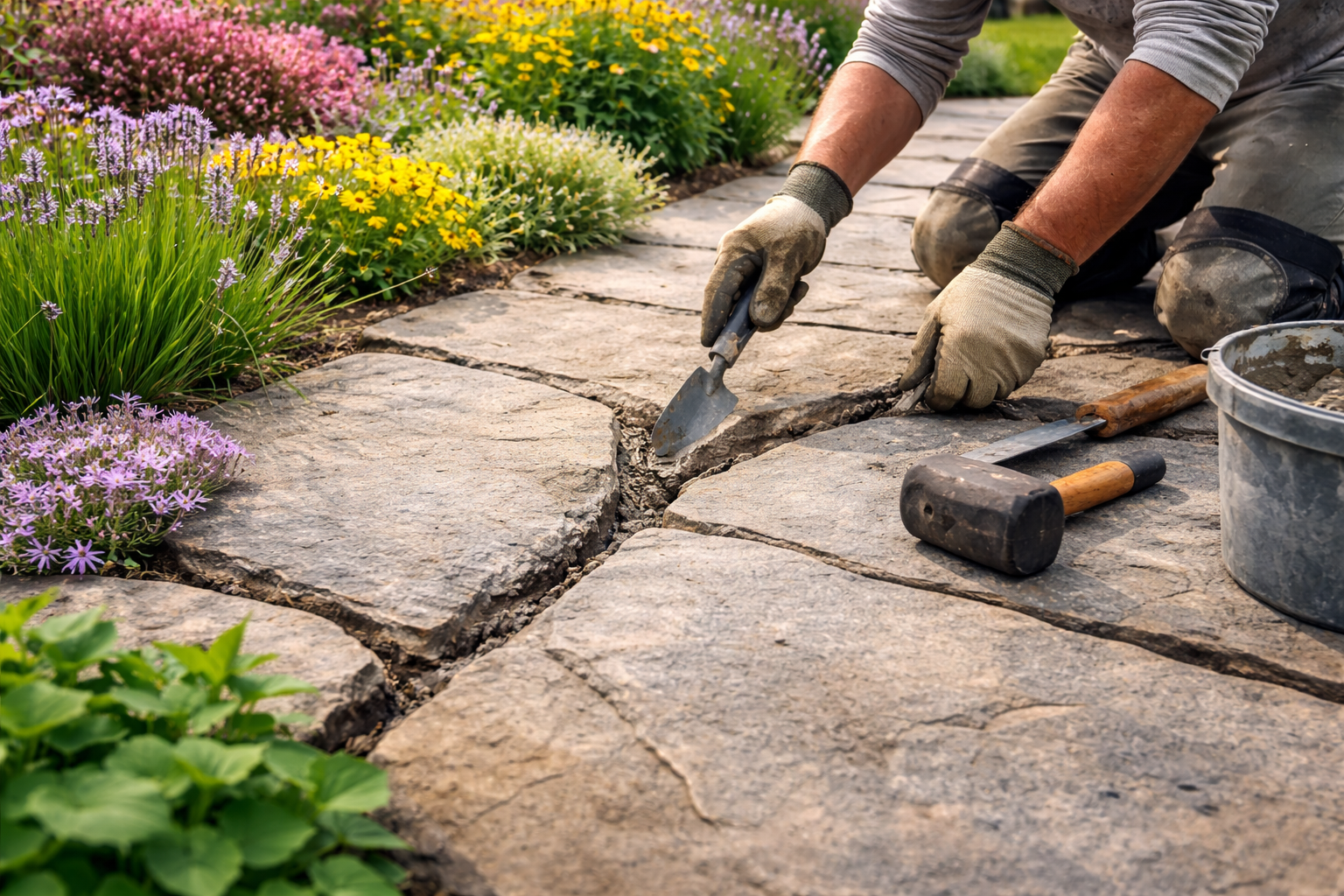
Spring hardscape planning during winter also allows careful review of existing features. Patios, retaining walls, and walkways reveal damage once snow melts, yet signs often appear earlier. Uneven stones, shifting edges, or pooling water become easier to spot when the yard rests.
Is winter too early to plan outdoor work? No. Winter planning improves clarity and gives projects room to develop without pressure, then moves forward as soon as conditions allow.
The Value of Clear Design Before Spring
Hardscape projects shape how outdoor spaces function. Walkways guide movement. Patios host gatherings. Walls manage grade and frame landscapes. Each element connects to the next, so early design prevents conflicts later.
Spring hardscape planning defines how these features work together. It sets elevations, drainage paths, and traffic flow before ground is disturbed. Winter planning supports:
- Accurate measurements without plant growth blocking views
- Thoughtful material selection based on use and exposure
- Better coordination between masonry and planting plans
Designing early also improves communication with contractors. Clear drawings and goals reduce changes once work begins, which protects timelines and budgets.
Material Selection Benefits from Winter Planning
Stone, brick, and pavers vary in availability. Some materials face long lead times, especially specialty stone or custom cuts. Spring hardscape planning during winter allows time to source materials without compromise.
Winter planning helps compare options calmly. Instead of choosing what is available that week, property owners can review textures, colors, and finishes that match the home and landscape. Decisions made early lead to cohesive results rather than last-minute substitutions.
Material planning also accounts for performance. Northeast winters test hardscape surfaces through freeze and thaw cycles. Early planning considers slip resistance, joint spacing, and drainage so features hold up year after year.
Scheduling Advantages of Early Planning
Contractors build schedules months ahead. Spring hardscape planning completed in winter secures earlier start dates and smoother project flow. Early scheduling avoids bottlenecks that often appear once warm weather arrives. Planning ahead also allows flexibility. If weather delays one phase, projects with strong plans adjust more easily. Crews can shift tasks without stopping progress.
Working with an experienced masonry contractor during winter planning brings added value. Design insight, site evaluation, and sequencing advice shape stronger outcomes. Homeowners can explore options through professional guidance instead of rushed decisions.
For homeowners considering patios, walkways, or walls, reviewing available masonry services early helps define scope and expectations. Learn more about professional stone and masonry work by visiting Lassana’s Masonry Services.
Addressing Drainage and Site Conditions Early
Drainage defines hardscape longevity. Poor drainage leads to heaving, cracking, and uneven surfaces. Spring hardscape planning during winter allows detailed evaluation of slopes, runoff paths, and low areas. Frozen ground does not hide drainage patterns. Snow melt highlights where water collects or flows. Observing these patterns during winter informs smarter grading plans in spring.
Early planning also coordinates hardscape with future plantings. Hardscape should come first, setting structure and elevation. Planting follows once stonework establishes the framework. This sequence protects both features and avoids rework.
Coordinating Hardscape with Outdoor Living Goals
Outdoor spaces support daily routines and seasonal gatherings. Winter planning creates room to think about how spaces will be used, not just how they look.
Spring hardscape planning considers questions like:
- Where do people gather during warm evenings
- How does foot traffic move from house to yard
- Which areas need shade or wind protection
Answering these questions early shapes better layouts. A patio placed without considering sun angles may sit unused during peak hours. Winter planning reviews these details without distraction.
Budget Control Through Early Decisions
Rushed planning often leads to changes mid-project. Changes increase costs and extend timelines. Spring hardscape planning completed during winter reduces surprises by defining scope upfront. Early estimates allow realistic budgeting. Homeowners can adjust design elements before construction begins, not during it. This control helps prioritize features that add lasting value.
Winter planning also spreads expenses. Deposits, design fees, and material orders can be scheduled before peak season, reducing financial strain during spring.
Preparing the Site for Spring Construction
Winter planning includes site readiness. Tree removal, drainage adjustments, or utility coordination often require lead time. Addressing these steps early keeps spring construction moving. Hardscape projects also involve permits in some areas. Winter planning allows time for approvals without delaying work. Once permits are in place, construction proceeds smoothly when weather allows.
For properties considering patios, walkways, or outdoor living features, early planning connects design with execution. Explore options for patios and hardscaping by visiting Lassana’s Hardscaping Services.
How Winter Planning Improves Build Quality
Quality improves when teams work without haste. Spring hardscape planning done in winter gives builders time to review plans, confirm measurements, and order correct materials.
Clear plans reduce on-site decisions that compromise precision. Crews work efficiently, and installations meet design intent. The result shows in level surfaces, clean joints, and consistent patterns. Hardscape features built with care perform better through seasonal shifts. Proper base preparation, drainage, and alignment reduce maintenance needs and extend lifespan.
Aligning Hardscape with Long-Term Landscape Growth
Hardscape shapes how landscapes evolve. Walls retain soil for plant beds. Walkways guide maintenance access. Patios anchor outdoor rooms. Winter planning views these elements as part of a whole.
Spring hardscape planning supports planting success by defining bed edges and elevations first. Plants settle into spaces designed for them, rather than adapting around finished stonework. This approach supports healthier growth and easier care. It also protects hardscape from root pressure and soil movement over time.
Moving from Planning to Action
Once winter planning is complete, spring becomes a season of execution. Crews arrive with materials ready. Designs translate into finished features without delay.
Spring hardscape planning bridges the quiet of winter with the activity of warmer months. It turns ideas into structured plans and plans into durable outdoor spaces.
Property owners who plan early enjoy smoother builds and stronger results. They avoid crowded schedules and rushed decisions. Their outdoor spaces open sooner and perform better.
Final Thoughts on Spring Hardscape Planning
Spring hardscape planning thrives when winter sets the foundation. Early design, scheduling, and material selection create outdoor spaces built with purpose and care. Winter planning respects the Northeast climate and works with it, not against it. Projects move forward when conditions allow, without sacrificing quality or vision.
For homeowners ready to improve patios, walkways, or stone features, winter is not a pause. It is the starting point.