Fall lawn care gives Northeast homeowners a chance to prepare their properties for cold weather. The work starts with the grass, but it should not stop there.
Leaves, compacted soil, weak turf, drainage problems, and overgrown plants can all create trouble during winter. Fall is also a good time to inspect patios, walkways, garden beds, and other outdoor features.
A few hours of seasonal maintenance can help limit winter damage and make spring cleanup easier. The key is knowing which tasks deserve attention first.
This fall lawn care checklist covers the main jobs to complete before the first frost arrives.
Why Fall Lawn Care Matters in the Northeast
Northeast lawns face a long winter. Snow, ice, frozen soil, and changing temperatures all place stress on turf.
Cool-season grasses also follow a different growth pattern than warm-season grasses. They perform well during the cooler months and often recover from summer stress during early fall.
That makes autumn a useful period for lawn maintenance.
Fall also brings more leaves, wet weather, and shorter days. Grass still needs light and air during this period. Heavy leaf cover can block both.
A neglected lawn can enter winter with weak areas that become more obvious after snow melts.
Good fall maintenance does not need to involve every possible lawn treatment. Start with the basics and address visible problems.
Fall Lawn Care Checklist for Northeast Properties
A practical checklist helps keep seasonal work manageable. Each task serves a different purpose. Together, they prepare the property for the months ahead.
1. Remove Leaves From the Lawn
Leaf removal is one of the most familiar fall chores. It is also one of the easiest tasks to overlook.
A few scattered leaves do not always create a problem. Thick layers are different. Wet leaves can mat together and block light from reaching the turf. Heavy leaf cover also traps moisture near the grass.
Rake leaves from large areas and remove heavy piles from low spots. Mulching leaves with a mower can work well for lighter coverage.
Keep leaves off newly seeded areas too. Young grass needs access to light and air during establishment.
Do not push large piles into garden beds without considering the plants underneath. Dense piles can smother low-growing plants and create wet conditions.
Leaf removal should also include patios, walkways, steps, and driveway edges.
2. Keep Mowing Until Growth Slows
The arrival of cooler weather does not mean mowing stops immediately. Continue cutting grass while it keeps growing. The final cut should leave the lawn at a healthy height for winter.
Avoid cutting the grass extremely short. Very short turf has less leaf surface available for photosynthesis.
Tall, matted grass also creates its own problems under snow.
A moderate mowing height gives the lawn a better starting point for winter. Keep mower blades sharp for a cleaner cut.
Do not remove more than one-third of the grass blade during a single mowing session.
The final mowing date varies across the Northeast. Coastal properties often have different conditions than properties farther inland.
Watch the lawn rather than following a fixed date.
3. Look for Thin and Bare Areas
Summer can leave lawns looking rough. Heavy traffic, heat, drought, insects, and disease can all weaken turf. Some areas recover naturally during cooler weather. Others need help.
Walk the property and look for:
- Bare soil
- Thin turf
- Discolored grass
- Heavy weed growth
- Worn paths
- Areas with standing water
- Soil exposed by erosion
Fall is a good time to assess these areas.
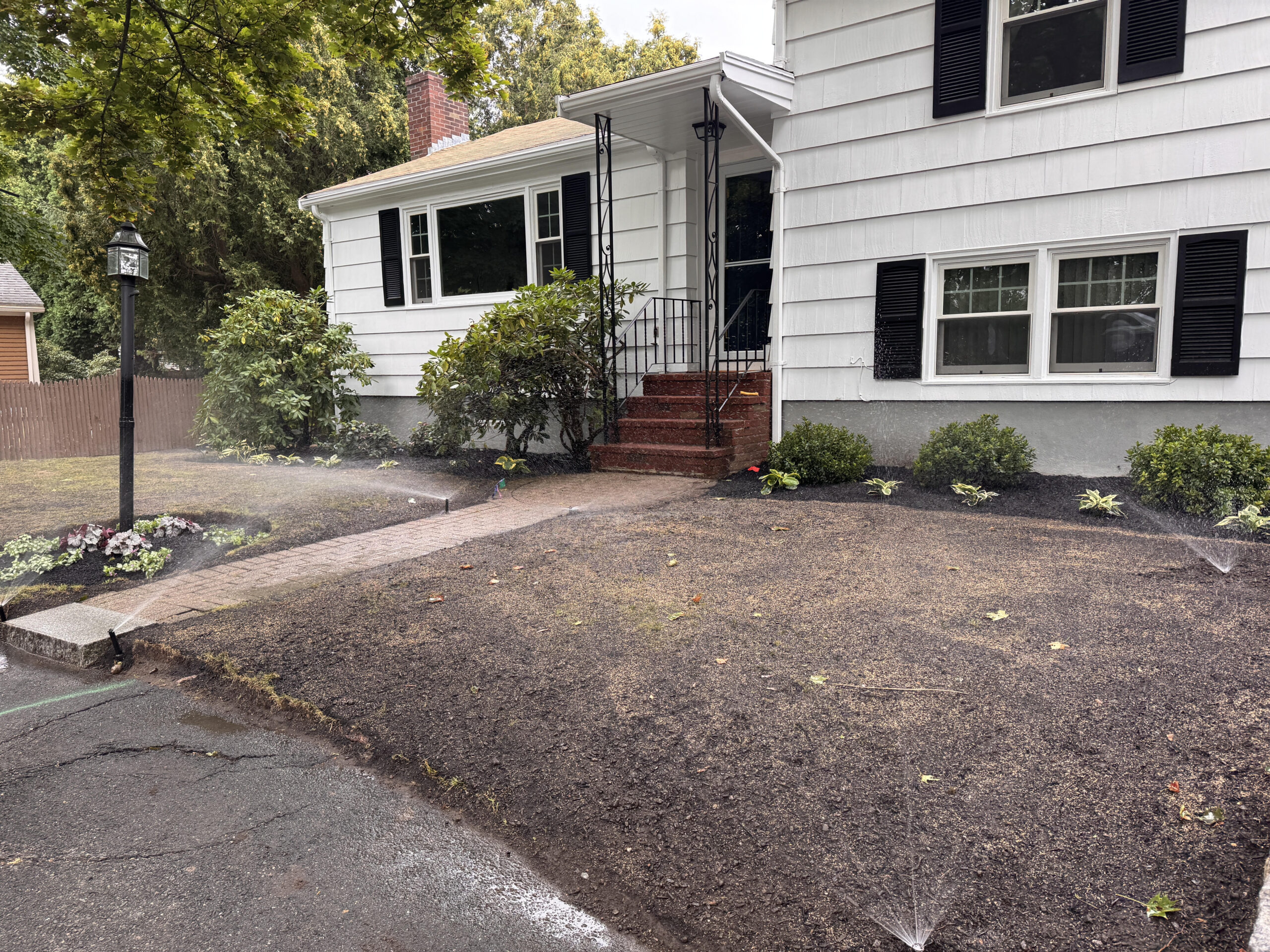
Cool-season grasses respond well to fall renovation work. Seeding can help fill thin sections and improve overall turf coverage, but do not seed every problem area without checking the cause first. Poor drainage and compacted soil can limit new grass growth.
Lassana’s provides lawn renovation and aeration services for properties that need more than routine mowing.
4. Check for Compacted Soil
Compaction can develop in areas with frequent foot traffic.
Look around gates, walkways, patios, play areas, and frequently used sections of lawn.
Hard soil limits the space available for roots, air, and water. Grass can become thin even with regular watering and mowing.
Core aeration can relieve compaction in established turf. The process removes small plugs of soil from the lawn. Those openings give air and water more room to move through the soil.
Aeration also pairs well with overseeding. Seed has better contact with exposed soil after aeration.
Not every lawn needs aeration every year. A site inspection can help determine whether compaction is actually causing the problem.
5. Pay Attention to Drainage
Fall rain can expose drainage problems.
Walk the property after a heavy storm. Look for standing water and muddy areas. Pay close attention to low sections of the lawn. Check areas near downspouts, slopes, patios, and retaining walls.
Water that sits on the lawn can weaken turf and contribute to soil problems.Poor drainage can also affect nearby hardscaping.
Do not solve a drainage problem by adding more seed. The underlying water issue needs attention first.
Small grading problems can also become more troublesome during freezing weather. Water expands when it freezes, and repeated freezing can move soil and hardscape materials.
6. Give Garden Beds a Final Inspection
Your lawn is only part of the property. Garden beds need seasonal attention too.
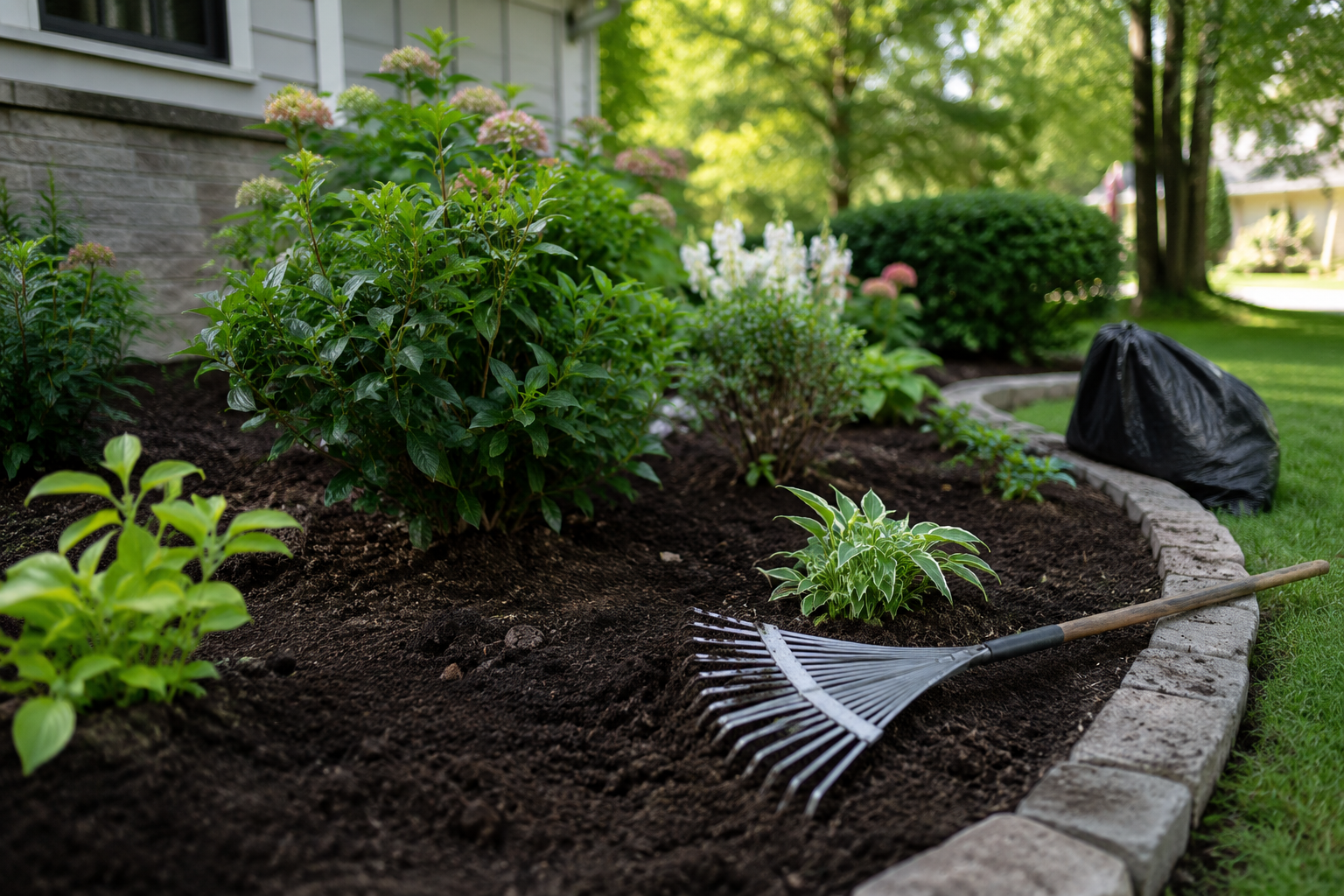
Remove dead annuals and diseased plant material. Clear excessive weeds and check the condition of mulch.
Do not cut every perennial down automatically. Some plants provide winter interest and habitat.
New plantings also need water during dry fall weather.
Mulch can protect roots and reduce temperature swings around plants. Keep mulch away from trunks and plant stems.
Garden beds often reveal drainage issues too. Look for areas where water pools after storms.
Lassana’s provides seasonal cleanup and landscape maintenance services for homeowners who need help preparing their properties for the changing seasons.
7. Inspect Trees and Shrubs
Fall provides a good opportunity to look over larger plants. Check trees and shrubs for broken branches, dead limbs, and damaged areas.
Look for branches hanging over:
- Walkways
- Driveways
- Patios
- Lawn areas
- Outdoor seating
- Structures
Snow and ice can add weight to weak branches.
Small pruning jobs can often be handled during routine landscape care. Large branches near structures require more care and proper equipment.
Also check whether shrubs have grown into paths or blocked access around the property.
Good fall maintenance creates clearer access for winter work.
8. Manage Weeds Before Winter
Fall weeds often stand out after summer growth slows. Remove weeds from lawn edges and garden beds. Pay attention to areas where weeds have gone to seed.
Do not assume every weed disappears once temperatures drop. Some weeds remain active late into the season. Others leave seeds behind for next year.
Hand removal works well for small garden bed problems. Larger infestations need a more thorough plan.
Weed control should fit the property and the plants already growing there.
The Northeast Organic Farming Association promotes land care practices that focus on soil health and responsible management. Its Organic Land Care Program also addresses the care of lawns, gardens, and yards.
For homeowners interested in that philosophy, NOFA’s Organic Land Care information offers more background on regional land care practices.
9. Water New Plantings
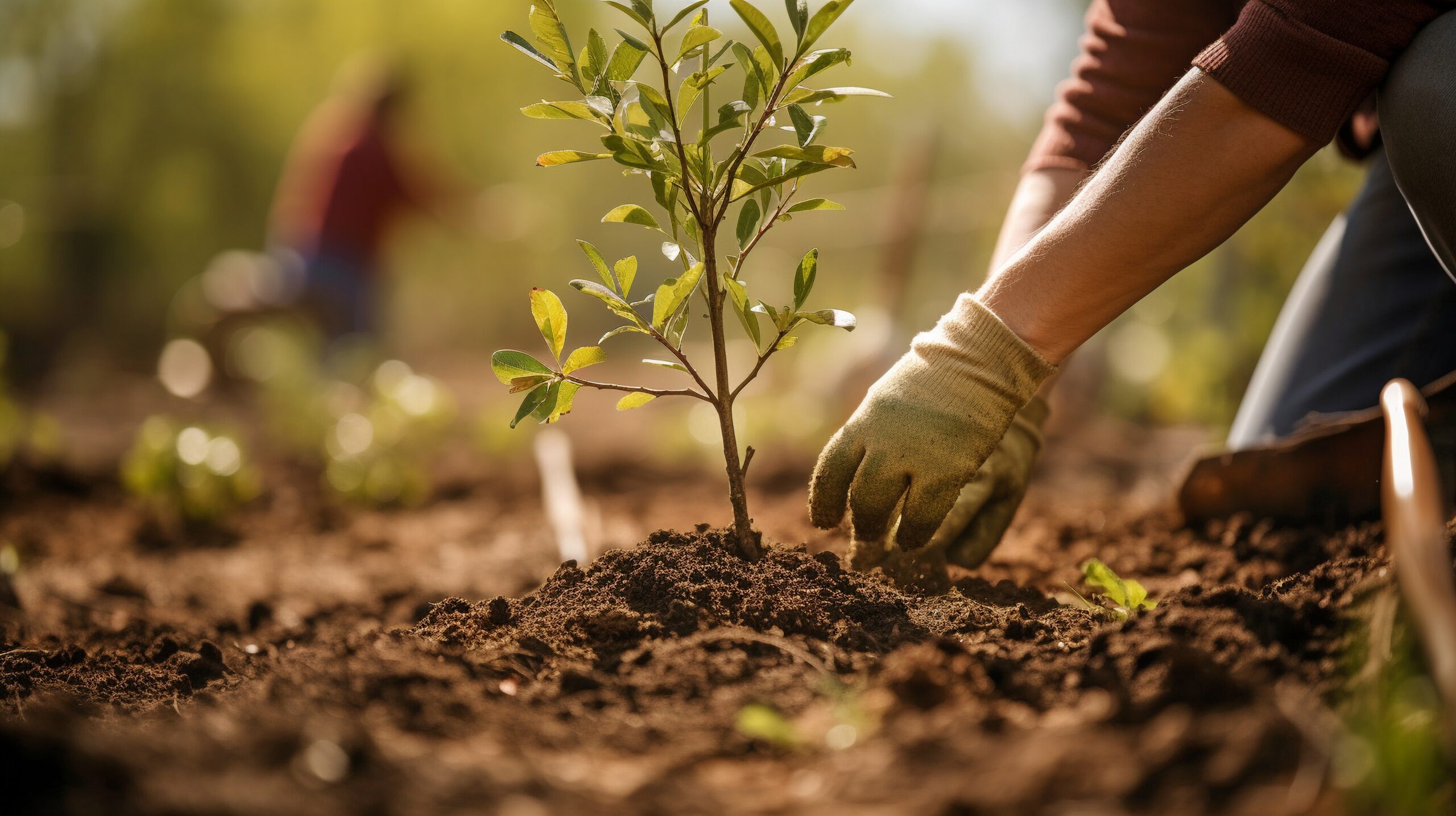
Cooler weather reduces water loss, but new plants still need moisture. Pay special attention to trees, shrubs, perennials, and recently seeded lawn areas. Check the soil rather than watering on a rigid schedule.
Dry soil around new roots can cause stress before winter arrives. Deep watering is more useful than frequent light watering for many established plants. The correct frequency depends on soil, rainfall, plant type, and site conditions.
Stop routine irrigation once the ground freezes.
New plantings should also receive a final inspection for loose soil around their roots. Settle the soil gently around exposed roots and keep mulch at a proper depth.
10. Check Your Lawn for Pests and Disease
Fall is a good time to look for signs of lawn problems. Inspect discolored patches and areas that look thinner than the surrounding turf. Do not assume every brown patch comes from drought. Compaction, insects, disease, poor drainage, and heavy traffic can create similar symptoms.
Look at the pattern of damage. Random patches can point to different problems than damage that follows a traffic area.
Correct identification matters. Treating the wrong problem wastes time and can create more stress for the lawn.
A lawn professional can inspect recurring issues and help identify the likely cause.
11. Prepare Hardscaping for Winter
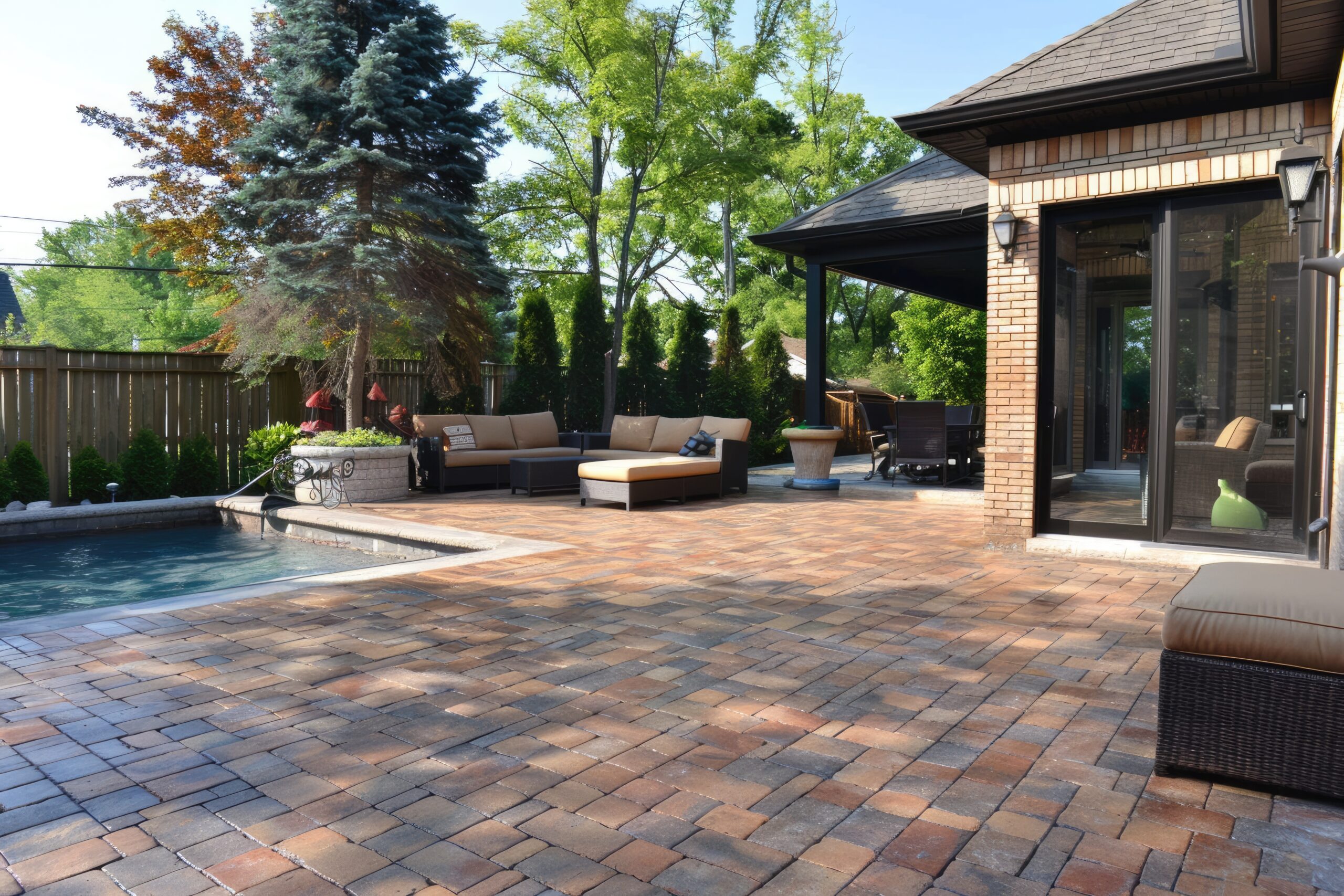
Fall lawn care should include the hardscape around the lawn.
Leaves collect on patios, walkways, steps, and retaining walls. Wet organic material can create slippery surfaces.
Clear debris from drainage openings. Remove soil and leaves from the edges of masonry.
Then walk the property and look for:
- Loose pavers
- Cracked joints
- Uneven stones
- Standing water
- Damaged steps
- Loose edging
- Soil movement
Small defects are easier to address before winter.
Freeze-thaw cycles can cause water to expand inside small cracks and joints. That movement can worsen existing damage. A fall inspection gives homeowners time to address those concerns.
12. Plan Snow Storage Areas
Snow removal becomes easier with some advance planning.
Decide where snow will go during a storm. Avoid placing heavy snow piles on fragile plants or newly seeded lawn sections. Keep snow away from drainage points where practical. Do not pile snow against masonry walls without considering drainage and access.
Think about equipment access too. Make sure snow blowers and shovels can move through the property without damaging beds or lawn edges.
A clear plan reduces the need to make quick decisions during a storm.
13. Protect Newly Seeded Lawn Areas
Newly seeded grass needs time to establish. Keep foot traffic away from young turf. Avoid parking equipment on recently seeded areas.
Leaf removal also requires care. Heavy raking can disturb young grass and move seed. Use a gentle technique around new growth.
Continue mowing after the grass reaches an appropriate height. Do not let young turf grow excessively tall before its final cut.
New grass should enter winter with enough root development to handle colder conditions.
14. Clean and Store Lawn Equipment
Fall cleanup should end with the tools themselves.
Clean grass and soil from mower decks and other equipment. Check mower blades for damage. Sharpen them before storing the machine. Inspect rakes, spreaders, trimmers, and other tools for broken parts.
Follow the manufacturer’s instructions for fuel storage. Store equipment somewhere dry and protected from winter moisture.
This task takes little time, but it makes spring startup much easier.
A Simple Fall Lawn Care Schedule
A checklist works best when tasks are spread across several visits.
Early Fall
Focus on lawn health and active growth.
- Continue mowing
- Check thin areas
- Aerate compacted turf
- Overseed suitable areas
- Inspect drainage
- Remove heavy weeds
Mid-Fall
Shift attention toward cleanup.
- Remove leaves
- Inspect garden beds
- Check trees and shrubs
- Clear hardscaping
- Check walkways
- Water new plantings
Late Fall
Prepare the property for winter.
- Complete the final mowing
- Remove remaining leaf piles
- Check young plantings
- Plan snow storage
- Inspect masonry
- Clean lawn equipment
This schedule keeps the workload manageable and helps homeowners catch problems at different stages of the season.
What Not to Do Before the First Frost
Fall maintenance has a few common mistakes.
Do not scalp the lawn with an extremely short final cut.
Do not leave thick layers of wet leaves on the grass.
Do not apply fertilizer without considering soil conditions and lawn needs.
Do not ignore standing water.
Do not pile snow in garden beds without considering the plants underneath.
Do not ignore cracked masonry or loose walkway materials.
Do not heavily prune every shrub and perennial simply for a cleaner appearance.
Good fall maintenance is about timing and restraint. Not every part of the property needs the same treatment.
Get the Property Ready for Winter
Fall lawn care is easier when the entire property receives attention.
Start with the lawn, then move through the garden beds, trees, drainage areas, and hardscaping. Look for small problems that can become harder to address after freezing temperatures arrive.
A clean lawn is only one part of winter preparation. Stable walkways, healthy plantings, clear drainage, and properly maintained garden beds all contribute to a better-prepared property.
Lassana’s can help homeowners plan seasonal maintenance and address larger landscape needs. Contact Lassana’s for a free estimate to discuss your property before winter arrives.