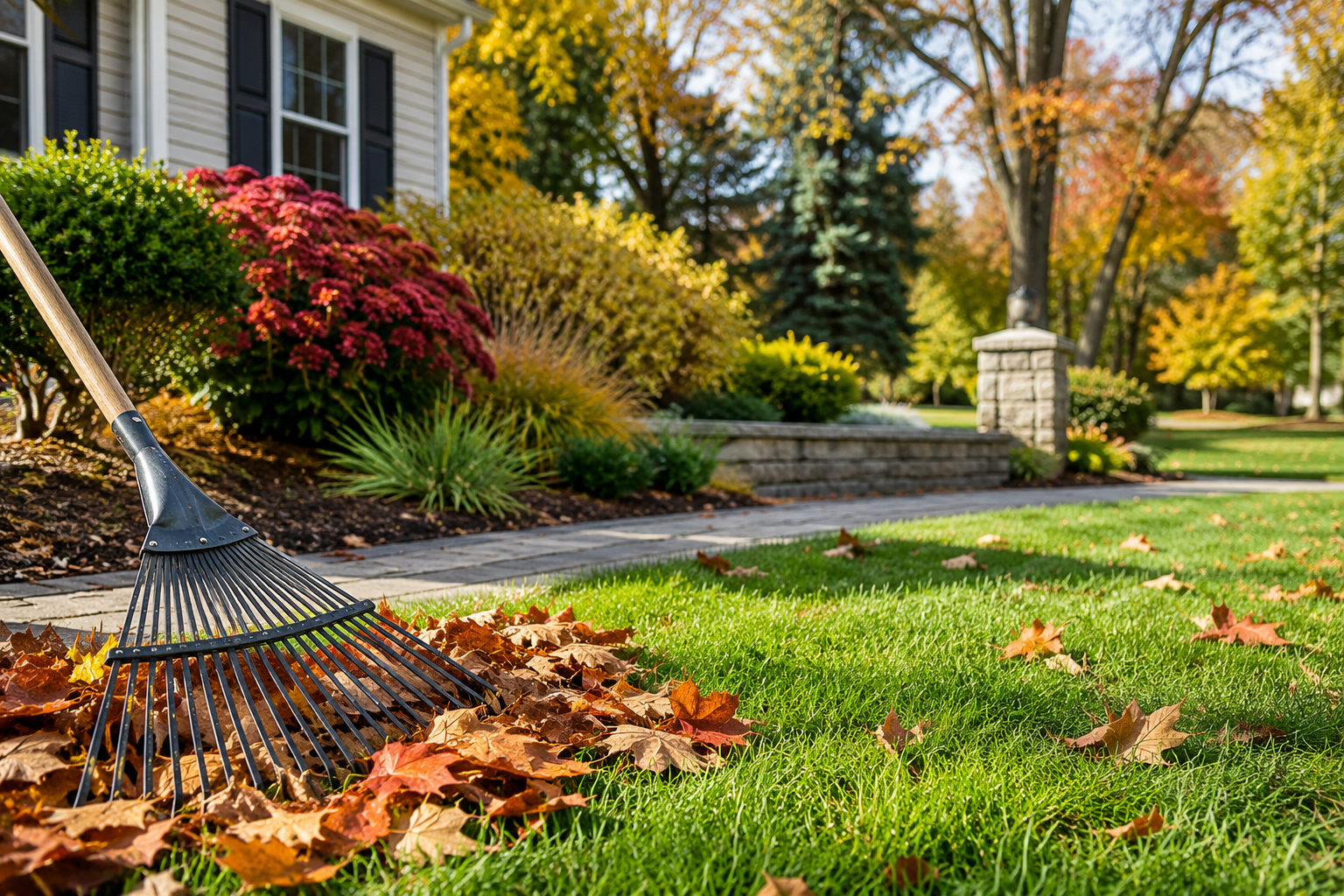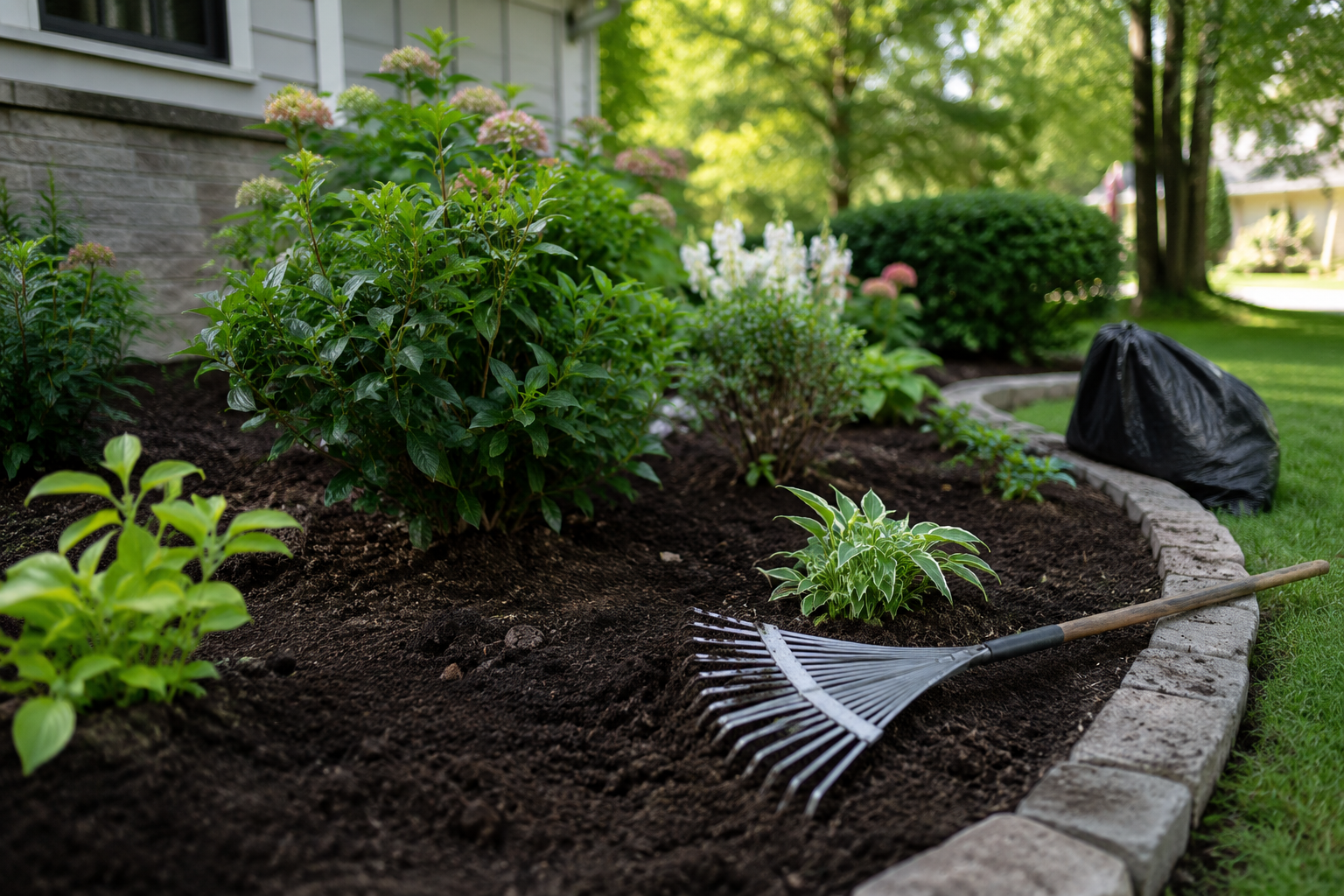
Fall garden cleanup can make a landscape look neat, but cutting everything back is not always the best move. Some perennials benefit from a fall trim, while others provide winter habitat, seed for birds, or protection for their own crowns.
Knowing which plants to cut and which ones to leave can help your garden enter winter in better shape. It also makes spring cleanup easier without removing features that serve a purpose during the colder months.
Why Timing Matters When Cutting Back Perennials in Fall
Perennials respond differently as the growing season ends. Some naturally die back to the ground, while others keep their stems and seed heads through winter. That means fall cleanup should be selective.
A plant that looks finished above ground can still have an active root system below the soil. The roots store energy that supports new growth once temperatures rise again. Removing dead top growth does not usually harm the root system, but cutting healthy foliage too early can interfere with the plant’s natural cycle.
There is another reason to slow down before reaching for the pruners. Some standing stems and seed heads provide food and shelter for wildlife during winter.
UMass Extension, a resource used by landscapers and other Green Industry professionals, notes that some perennials, including coneflower, Joe-Pye weed, and black-eyed Susan, can provide seeds and winter structure when left standing. Other perennial growth can be removed when it dies back or when disease makes cleanup necessary.
The goal is not a perfectly empty garden bed. The goal is a healthy landscape that is ready for another growing season.
Which Perennials Should You Cut Back?
Some plants are good candidates for fall trimming, especially when their foliage has collapsed, turned brown, or developed disease.
Cut Back Diseased or Damaged Growth
Disease is one of the clearest reasons to clean up a perennial bed in fall.
Fungal and bacterial problems can remain in infected leaves and stems through winter. Removing that material reduces the amount of infected debris sitting around healthy plants.
Look for:
- Black or brown spots covering leaves
- Powdery or fuzzy growth
- Stems with obvious disease damage
- Collapsed foliage that has developed rot
- Plant material that was heavily affected during summer
Do not automatically remove every brown leaf from every plant. Focus on material that is dead, diseased, or creating a clear maintenance problem.
Trim Perennials That Collapse Into Walkways
Some plants become floppy after the first hard frost. Their stems can fall across paths, lawn edges, patios, or other planting areas. Cutting these plants back can keep the landscape easier to maintain through winter.
It also creates a cleaner edge around paths and hardscape areas. This matters especially in smaller Northeast yards where planting beds and walkways are close together.
If a perennial is healthy and upright, there is less reason to cut it simply because the growing season has ended.
Remove Plants That Look Better With a Clean Finish
Some perennial beds have a formal design that calls for a tidier winter appearance.
Plants with unattractive dead foliage can be cut back after they have finished their seasonal growth. This can help maintain a deliberate look around entryways, patios, and foundation plantings.
The important part is knowing which plants fit this treatment. A blanket approach can remove winter structure from a garden that would benefit from leaving some plants standing.
Plants Worth Leaving Standing
Many plants with attractive stems or seed heads can remain in the garden through winter.
Common examples include:
- Coneflower
- Black-eyed Susan
- Joe-Pye weed
- Ornamental grasses
- Sedum
- Yarrow
- Bee balm
- Native plants with persistent seed heads
These plants can add texture to an otherwise dormant landscape. Frost and snow can also highlight their stems and seed heads.
Leaving some growth in place can support birds and insects as well. Standing perennial material can provide habitat for beneficial insects and pollinators that overwinter in the garden.
That makes a partially trimmed garden a practical middle ground between a completely tidy bed and an untouched landscape.
When to Cut Back Perennials in Fall
For many perennials, cleanup can begin once the foliage has naturally declined and the plant has stopped contributing much active growth. Waiting until after several cold nights can make it easier to identify which plants are truly finished.
Weather also varies across the Northeast. A garden near the coast can stay active longer than one farther inland.
Avoid rushing through the entire garden during the first cool weekend of fall. Some plants still have color, structure, or wildlife value. A staged cleanup often works better.
Start with diseased material and plants that have collapsed into paths. Leave attractive seed heads and sturdy stems for later. Finish the remaining cleanup once the plants have fully entered dormancy.
A Simple Fall Perennial Cleanup Routine
A little planning can make fall garden work much easier.
Before cutting anything, walk through the planting beds and identify each plant. Mark the ones that should remain standing. Then work through the beds rather than cutting everything to the same height.
A useful routine looks like this:
- Inspect the plants first. Look for disease, damage, and plants that have naturally died back.
- Remove diseased material. Keep infected stems and leaves away from healthy garden debris.
- Cut back collapsed plants. Focus on growth that blocks paths or creates maintenance problems.
- Leave useful seed heads. Keep plants that offer winter food or visual structure.
- Clean the bed edges. Remove debris that has collected along paths and lawn borders.
- Add appropriate mulch. Use mulch carefully around perennial crowns and avoid burying the plants.
This process takes a little more thought than simply cutting every stem to the ground. It also gives you a chance to notice problems before winter arrives.
Do Not Forget About Spring-Blooming Bulbs
Perennial maintenance sometimes gets confused with bulb cleanup.
Spring bulbs such as daffodils and other flowering bulbs have foliage that continues feeding the bulb after flowering. That foliage should not be cut simply because the flowers are gone.
UMass Extension recommends leaving bulb foliage in place until it has naturally declined because the leaves continue producing and storing energy for future growth.
This is an important distinction when cleaning a mixed garden bed. Not everything that looks untidy needs to be removed.
How Cutting Back Perennials Fits Into Garden Design
Fall cleanup is also a good time to look at how your planting beds performed during the growing season.
Some plants may have grown too large for their location. Others may have disappeared behind taller perennials or left open spaces that need attention.
Take notes while the garden is still fresh in your mind.
You might notice that a bed needs:
- More height toward the back
- Lower plants along a walkway
- Additional fall color
- Better spacing between mature plants
- More evergreen structure
- Plants that support pollinators
- Fewer high-maintenance varieties
These observations can guide next year’s planting decisions.
If you are considering changes to the layout, garden design and planting services can help bring plant selection, spacing, and seasonal interest together.
A good perennial bed should not look attractive only in June or July. Plant selection and placement can create interest across several seasons.
What About Ornamental Grasses?
Ornamental grasses are often better left alone through winter.
Their foliage and seed heads can add movement and structure when deciduous plants have gone dormant. Some grasses also provide habitat for wildlife.
UMass guidance specifically recommends leaving ornamental grasses uncut during fall cleanup. The standing foliage and seed heads provide winter interest, while the top growth can help protect the plant crown from temperature changes.
In many landscapes, grasses can be cut back in late winter or early spring before new growth begins.
This timing also lets you enjoy their winter appearance rather than removing them just as the garden enters its most dormant season.
How Much Should You Cut?
The answer depends on the plant.
For perennials that need a fall trim, remove the spent top growth while keeping the plant’s crown intact. Avoid cutting into healthy new growth that will carry the plant into the following season.
For plants with woody or semi-woody stems, the right pruning method can differ from plants that die completely back to the ground.
Clean, sharp tools make the job easier. Wipe tools between diseased plants to avoid spreading problems through the garden.
Do not leave large piles of wet plant debris packed against plant crowns. Excess moisture and poor air movement can create additional problems.
A More Selective Approach to Fall Cleanup
A selective cleanup gives you both a tidy landscape and the benefits of leaving useful plant material in place.
Cut back plants that are diseased, damaged, or creating practical problems. Leave strong stems, attractive seed heads, and plants that offer winter habitat when they fit the design.
This approach also creates more visual interest during a season when many landscapes become flat and empty.
In a Northeast garden, snow and frost can turn dried seed heads and ornamental grasses into part of the winter landscape. Those details are easy to overlook if everything gets cut down in October.
Prepare Your Perennial Beds for Spring
Fall is about more than putting the garden to bed.
It is also a chance to evaluate what worked, remove problem material, and protect the planting areas through winter. A thoughtful cleanup gives plants room to emerge in spring without stripping away everything that has value during the colder months.
For homeowners in the North Shore area, seasonal conditions can also affect how long plants remain active and when cleanup makes sense.
If your perennial beds need a seasonal refresh or you want help planning next year’s planting, contact Lassana’s Landscaping for a free estimate and discuss your landscape with a local professional.