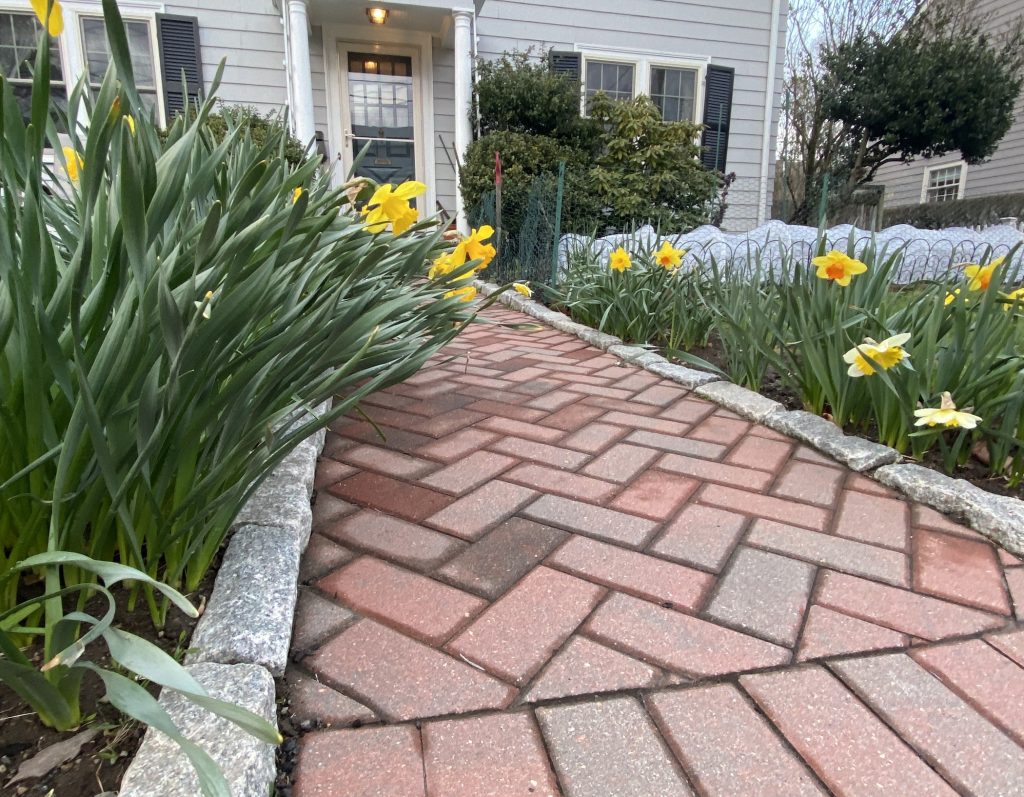
Hardscape design continues to shift with changing lifestyles, new materials, and growing interest in outdoor living. Homeowners want spaces that feel natural, easy to maintain, and built for long-term use. Hardscape projects now focus on comfort and durability while still supporting classic masonry craftsmanship. The most notable hardscape trends 2026 brings forward reflect a balanced mix of clean lines, warm textures, and practical features.
The Move Toward Warmer Stone Colors
For years, cool grays dominated patios and walkways. The trend is shifting toward softer tones that create a more welcoming atmosphere. Shades of tan, cream, and blended earth colors now appear in patios, steps, and garden paths. These warmer palettes work with older homes and new builds, so they are popular across many project types.
Manufacturers continue to expand color options that mimic natural stone. Homeowners want designs that blend with the property instead of standing out sharply. As a result, more projects use subtle color variation to create depth without visual clutter. This shift helps the hardscape feel grounded and connected to the landscape.
Larger Pavers for Cleaner Layouts
Large-format pavers have grown steadily in popularity, and they remain a core part of hardscape trends 2026. They create a modern look with fewer joints and smoother movement across a patio or walkway. The scale works especially well in open spaces, where wide pavers create clean patterns that highlight surrounding plantings.
Pavers sized 18 inches or more now appear in patios, pool decks, and transitional spaces near doors. The reduced number of seams also cuts down on weed growth and maintenance. Many homeowners prefer the simple, balanced style these layouts provide.
Designers often blend large pavers with gravel or stone chips to soften borders. The mix creates visual interest while keeping the main area sleek and easy to navigate.
Outdoor Living Zones with Defined Purpose
More homeowners want outdoor spaces that support daily routines. Patios are no longer single-use areas. They are divided into zones for seating, cooking, dining, and quiet relaxation. This layout makes the space more functional and encourages regular use.
Walls, seating blocks, and planters help define these zones. The design feels organized without feeling rigid. Many properties benefit from a clear structure, especially when the yard includes slopes or uneven ground. Retaining walls often serve both a functional and aesthetic role, making them a dependable element in updated hardscape plans. For projects involving wall construction or repair, see Lassana’s Retaining Wall Services page.
Homeowners can pair warm stone colors with simple layout lines to create inviting areas that feel like extensions of indoor rooms. This trend continues to grow as outdoor living gains importance in home planning.
Textured Finishes That Add Grip and Character
Smooth finishes remain common, but textured surfaces have increased due to their practical and visual advantages. Light texture adds grip during wet or icy conditions. It also gives patios and walkways a hand-crafted appearance that feels more natural.
Popular textures include:
- Subtle hammered patterns
- Light surface brushing
- Split-face accents on steps and walls
- Varied edges that mimic natural stone cuts
These textures support safety while blending with a wide range of architectural styles. They also reflect the current interest in organic materials and soft outdoor detailing.
Blended Hardscape and Softscape Design
More homeowners want the landscape and hardscape to work together as a unified space. Plants play a larger role in 2026 designs, especially around patios, walls, and walkways. The hardscape becomes a structural frame, while plantings soften edges and add seasonal interest.
Designers often use curved lines and planted borders to break up large patio surfaces. The result feels more natural and balanced. Raised planters, integrated seating walls, and stone beds create easy transitions between built areas and green spaces. This is a strong trend for homeowners who prefer relaxed outdoor environments with layered depth.
Proper layout planning helps manage water flow and prevents issues later. For projects that involve site evaluation or masonry adjustments, visit Lassana’s Masonry Services page.
Eco-Focused Design and Low-Maintenance Materials
Sustainable practices remain a priority. Permeable pavers help manage stormwater and reduce runoff. They allow water to move through the joints and into the soil below. This reduces puddling and helps protect nearby masonry structures.
Recycled content continues to expand in manufacturer lines. Many homeowners now look for materials that last longer with fewer chemicals needed for care. Durable stone, high-quality pavers, and reinforced base systems support longevity and require minimal upkeep.
If a property contains trees, slopes, or soil that shifts seasonally, permeable or flexible systems may reduce long-term maintenance needs. Many homeowners choose materials that age well and work with the natural site conditions.
Mixed Materials for Simple but Noticeable Contrast
The use of mixed materials stands out in hardscape trends 2026. Combining stone, pavers, gravel, and decorative rock creates subtle contrast without overwhelming the yard. Borders, inlays, and transition paths reinforce structure and guide movement through the space.
Blended materials work well in:
- Walkway edges
- Fire pit surrounds
- Garden steps
- Seating areas
- Patio borders
These small touches add visual interest without adding complexity. Homeowners prefer these simple combinations because they feel customized without looking busy.
Built-In Features for Comfortable Outdoor Use
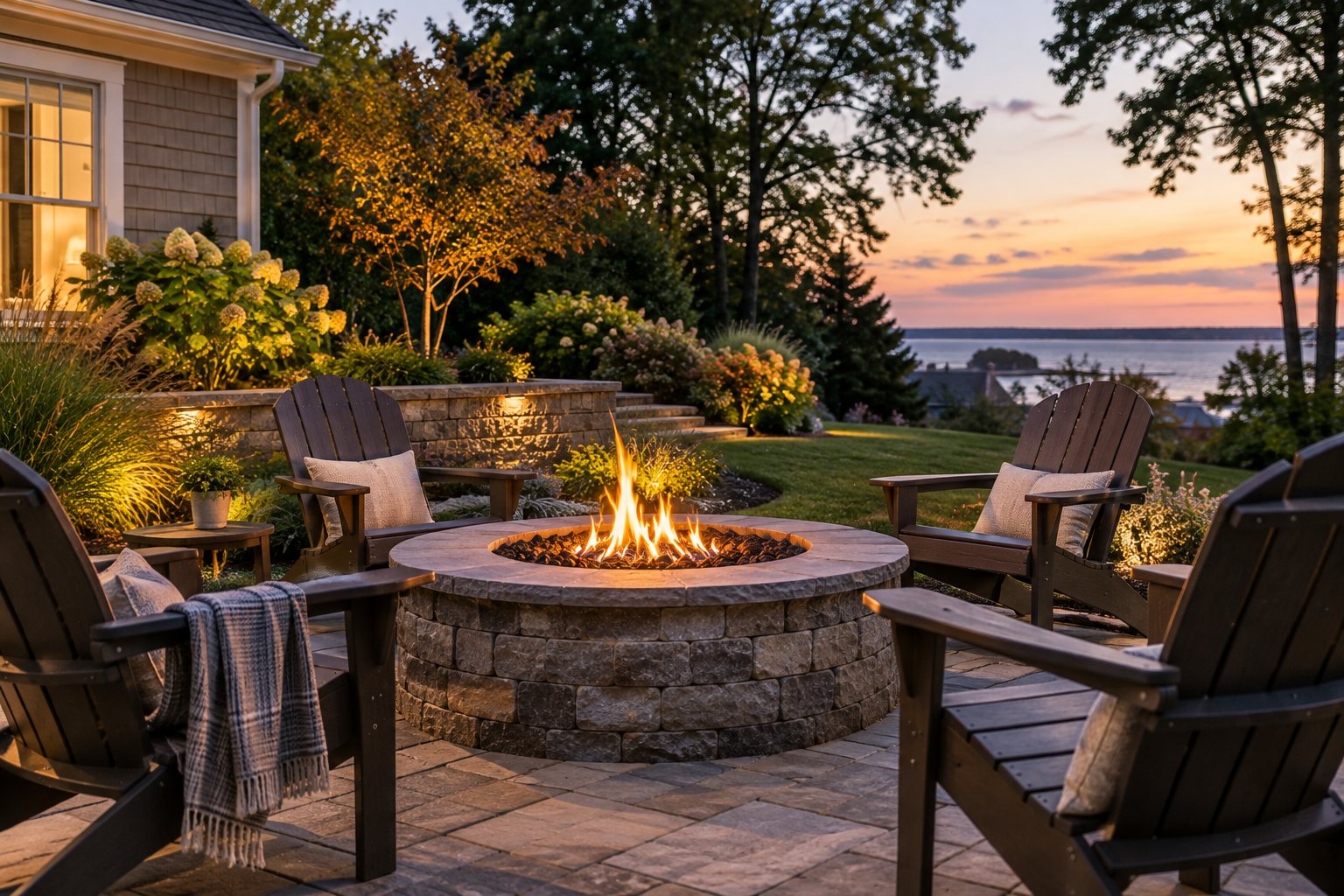
Outdoor living continues to expand, and built-in elements support ease of use. Stone seating, low walls, and integrated lighting remain popular choices. Fire features also appear in many updated designs, though sizes trend slightly smaller than in past years. This shift reflects the desire for space that feels cozy rather than dominating.
Built-in lighting grows more important. Homeowners want walkways, steps, and patios to feel safe and usable at night. Warm-tone lighting with simple placement enhances both visibility and character.
As with all built-in outdoor additions, masonry skill affects longevity. Durable construction helps these features stay strong through winter shifts and daily wear.
Smooth Pathways That Connect the Property
Walkways now play a larger role in overall yard design. They guide movement and connect outdoor zones while tying into architectural features. More walkways use consistent materials to keep the property visually unified.
Subtle curves appear more often than sharp angles. They add a natural flow that fits both small and large spaces. Homeowners appreciate how a simple walkway can change how the yard functions by improving circulation and defining sight lines.
Pathways that use warm stone, gentle texture, or blended borders match the other trends shaping the year. They help create a space that feels finished and whole.
Final Thoughts on Hardscape Trends 2026
Hardscape design continues to grow in ways that support comfort, practicality, and long-term value. Warmer tones, large-format pavers, mixed materials, textured finishes, and integrated living zones create outdoor spaces that feel lived-in and welcoming. Sustainable choices and thoughtful planning help homeowners protect their investment while enjoying a space that works with the land.
These hardscape trends 2026 offer direction for patios, walls, and walkways that stay attractive and durable. When these projects are built with strong masonry methods, the result stands the test of time.