Winter-hardy plantings that withstand Northeast winter bring life and structure to landscapes year-round. Careful selection and placement protect plants from cold, wind, and snow damage, keeping your yard visually appealing even in harsh conditions. With proper planning, you can maintain color, texture, and structure through frost, ice, and snow. This guide outlines plant types, layout strategies, and seasonal care for reliable, low-maintenance winter landscapes.
Why Winter-Hardy Plantings Matter
Cold temperatures, ice, and heavy snow can damage tender plants, leaving gaps and bare spots in gardens. Hardy plantings provide structure and greenery when other species fail. They prevent soil erosion and protect foundation areas from runoff. Choosing species that survive freezing weather reduces replacement costs and maintenance time. Winter-hardy plantings create year-round interest and increase property value by keeping landscapes attractive throughout the season.
Selecting Plants that Withstand Northeast Winters
When choosing plants, consider hardiness, snow tolerance, and wind resistance. Some species thrive in freezing temperatures, while others die back completely. Mixing deciduous and evergreen plants adds color and texture during winter months. Common categories include:
- Evergreen Shrubs: Boxwood, holly, and yew maintain foliage and structure. They provide privacy and backdrop for other plantings.
- Deciduous Shrubs with Winter Interest: Red-twig dogwood, winterberry, and beautyberry offer colorful stems or berries in cold months.
- Perennials: Hellebores, sedum, and ornamental grasses survive frost and often maintain seed heads for winter visual interest.
- Trees: Conifers such as spruce, pine, and fir hold needles, while deciduous trees like birch add bark texture.
- Groundcovers: Vinca, pachysandra, and ivy reduce soil erosion and remain green under snow cover.
Mixing plant types ensures that even if one species loses its leaves, others maintain form and color. It also provides natural layers for depth and dimension.
Designing for Year-Round Appeal
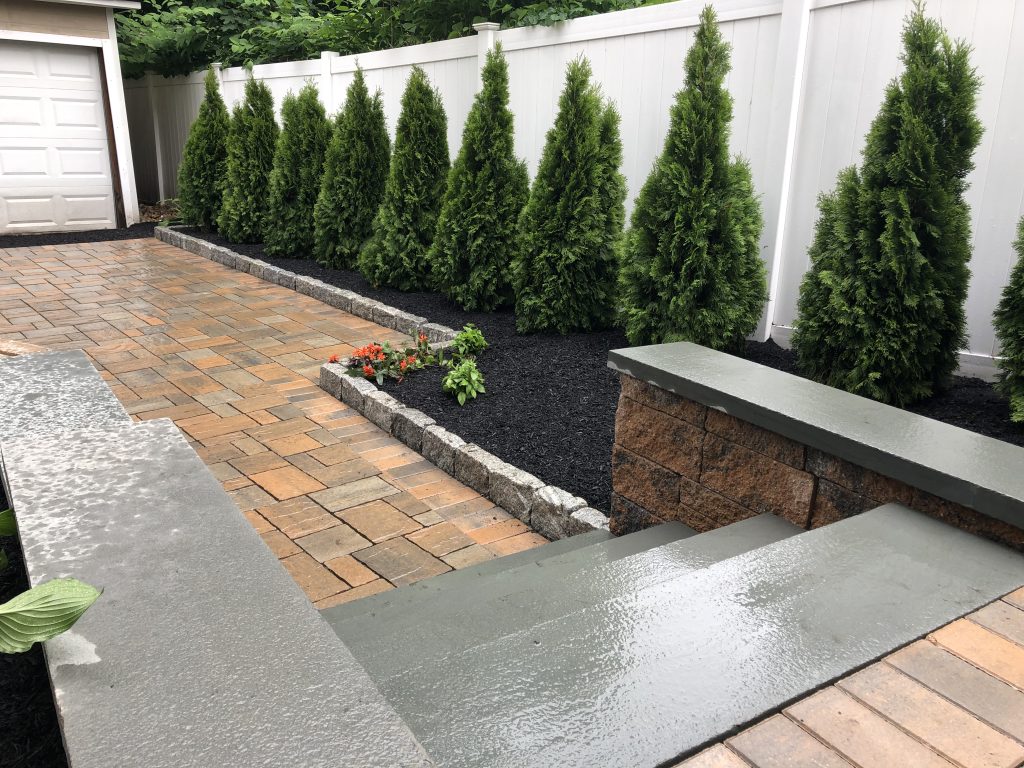
Layout plays a major role in winter landscape success. Plan beds and borders with consideration for sunlight, wind, and snow load. Place taller evergreens at the rear or along property lines for wind protection. Use low-growing shrubs and groundcovers in front to retain visual interest. Clump plantings in odd numbers to mimic natural growth patterns.
Layout Tips for Winter Interest:
- Place evergreens along walkways and patios for green structure.
- Mix shrubs with colorful stems or berries to add contrast.
- Incorporate ornamental grasses for movement in the wind.
- Plant deciduous trees near open spaces to display trunk and bark textures.
- Include areas for seasonal accents such as planters or winter containers.
These strategies provide visual appeal and practical benefits like windbreaks, snow buffers, and soil stabilization.
Soil Preparation and Mulching
Healthy soil helps plants survive freezing temperatures. Test soil pH and amend with compost or organic matter before planting. Mulch beds with shredded bark, leaves, or straw to insulate roots and moderate soil temperature. Keep mulch away from plant stems to avoid rot. Replenish mulch each fall for maximum protection. Proper soil and mulching reduce winter dieback and encourage stronger spring growth.
Winter Watering and Protection
Watering late in fall is critical, especially for evergreens. Hydrated plants withstand freeze better than dry ones. After heavy snowfall, brush off snow accumulation from fragile shrubs and young evergreens to prevent branch breakage. Use burlap screens for wind-sensitive plants or create temporary covers for tender species. Avoid piling snow with salt or de-icers near plant bases, as chemicals can damage roots and soil.
Incorporating Hardscape Elements
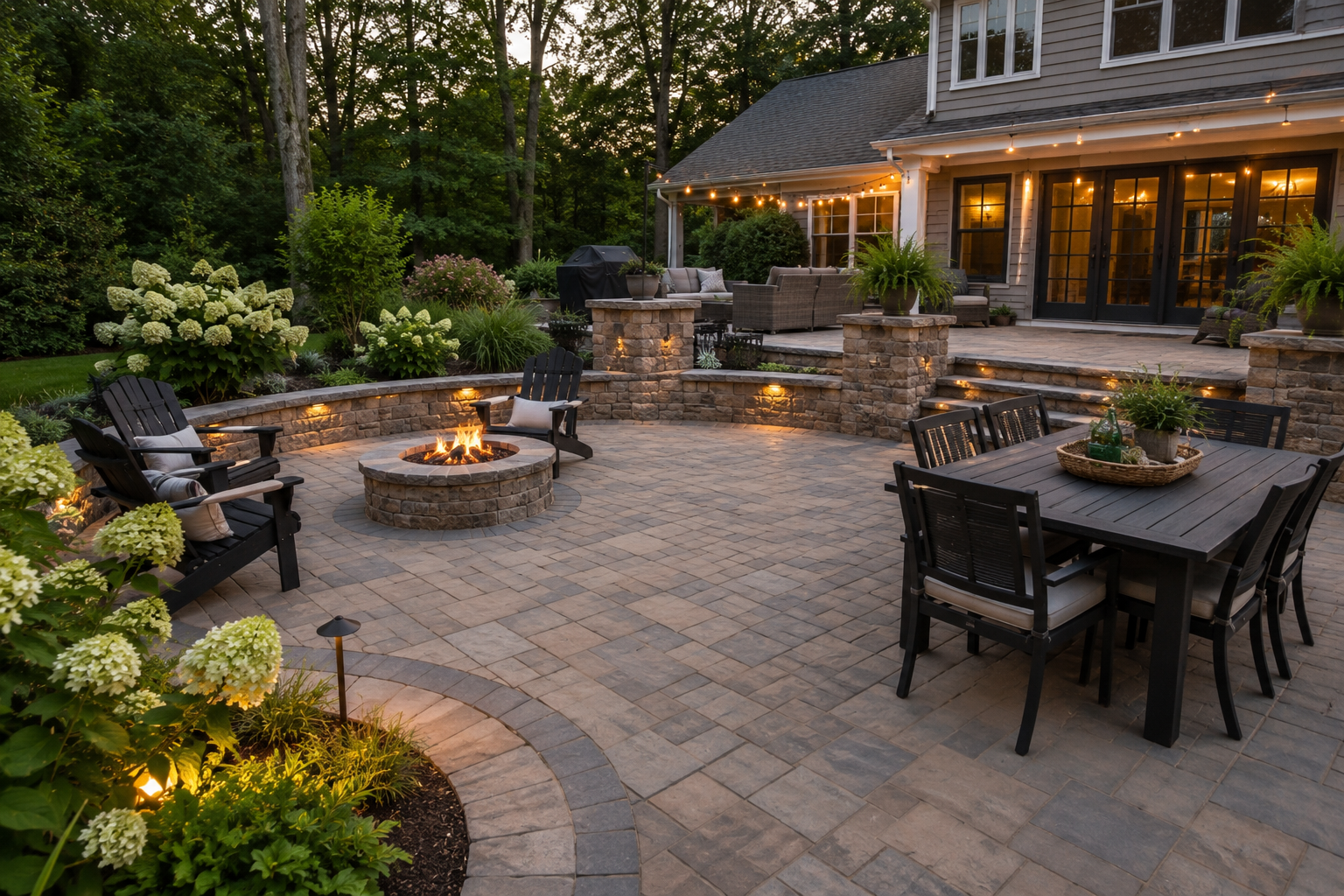
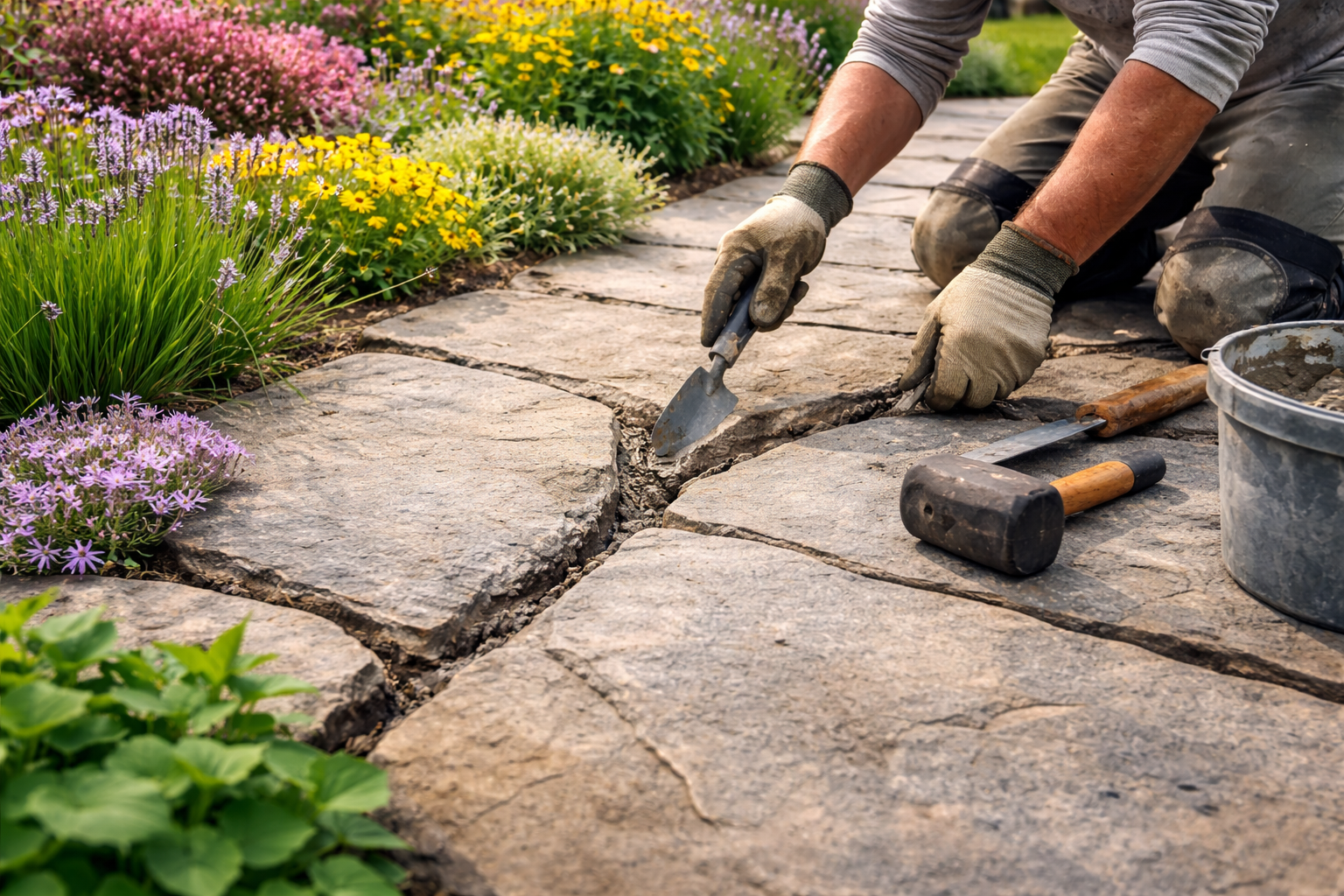
Hardscape features complement winter-hardy plantings. Stone walls, raised beds, pathways, and retaining walls provide structure and interest when plants lose foliage. Adding vertical elements like trellises or obelisks allows climbing plants to create form and texture. Outdoor furniture or lighting can frame winter beds, highlighting evergreen and winter-interest shrubs. Strategic hardscape placement enhances visual continuity from fall through spring.
Planning for Seasonal Color
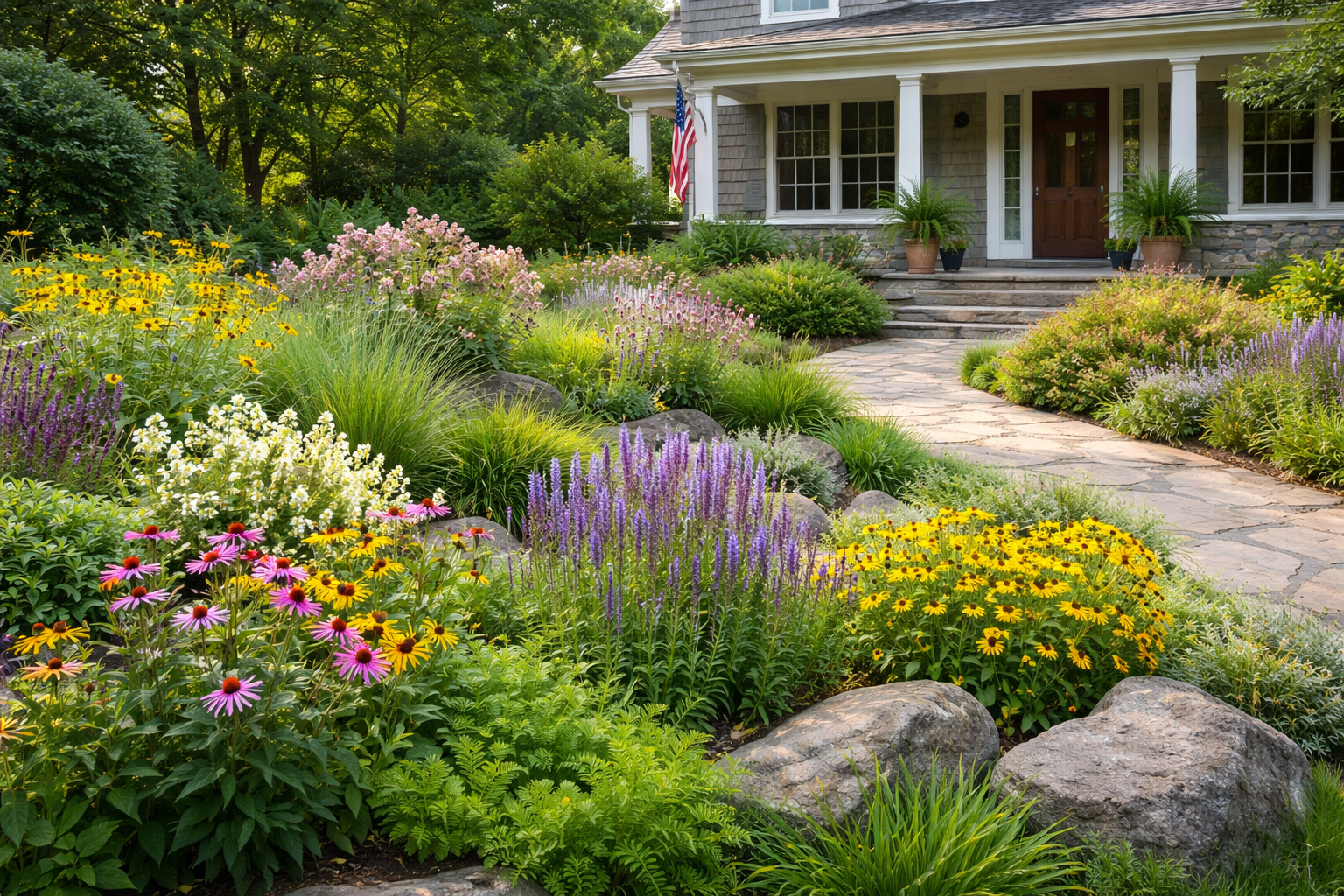
Even in winter, color is possible. Use berry-bearing shrubs, conifers with unique foliage colors, and plants with textured bark. Early spring bulbs like crocus, snowdrops, and daffodils planted in fall provide a first burst of color. Layering plants with different bloom times extends the season and ensures something is always in bloom. Think beyond foliage to seed heads, bark patterns, and berry clusters.
Maintaining Winter-Hardy Plantings
Regular maintenance strengthens plants for winter survival. Prune dead or diseased branches in late fall. Remove leaf litter and debris to reduce pests and diseases. Check for soil compaction around root zones and aerate if necessary. Fertilize with slow-release formulations to support root health. Monitor for signs of desiccation or ice damage, addressing issues promptly to prevent long-term problems.
Benefits of Professional Landscaping Assistance
Experienced landscapers assess site conditions, soil types, and microclimates to select the best plantings that withstand Northeast winter. Professionals can:
- Install and shape winter-hardy beds for maximum visual impact
- Add mulch and soil amendments for plant health
- Provide pruning and structural support for shrubs and trees
- Design hardscape elements that complement plantings
Working with experts helps ensure that your winter landscape survives harsh conditions while maintaining aesthetic appeal. Learn more about professional services on the Lassana’s Landscaping Planting Services and Masonry Services pages.
Long-Term Planning and Succession
Design for long-term success by considering plant growth, layering, and seasonal transitions. Replace failing species with hardy alternatives. Rotate plantings to balance sun, soil, and water needs. Use companion planting to improve resilience against pests, cold, and drought. A thoughtful plan reduces annual workload and creates a sustainable, year-round landscape.
Conclusion
Plantings that withstand Northeast winter maintain color, structure, and interest during the coldest months. Combining evergreen shrubs, deciduous shrubs with berries, perennials, ornamental grasses, and carefully selected trees provides year-round appeal. Proper soil preparation, mulching, and watering enhance survival. Thoughtful layout, layered design, and complementary hardscape elements improve visual depth. Regular maintenance protects plants and prevents winter damage. Professional guidance ensures optimal species selection and installation. With these strategies, landscapes remain beautiful, functional, and resilient from fall through early spring.