A well-designed retaining wall does more than hold back soil — it adds structure, style, and value to your outdoor space.
Whether you’re going for a rugged, natural look or a sleek modern edge, there’s a retaining wall style to match your home’s personality. In the Northeast, where landscapes often include sloped yards, harsh winters, and traditional architecture, it’s important to choose both form and function wisely.
Below, we’ll explore how retaining walls enhance both the beauty and the purpose of your yard, and how to choose a look that’s right for you.
The Functional Purpose of a Retaining Wall
Before we get to the style, let’s talk about why retaining walls are needed.
They can:
- Hold back soil and prevent erosion
- Help manage water runoff and drainage
- Make sloped land usable by creating level areas
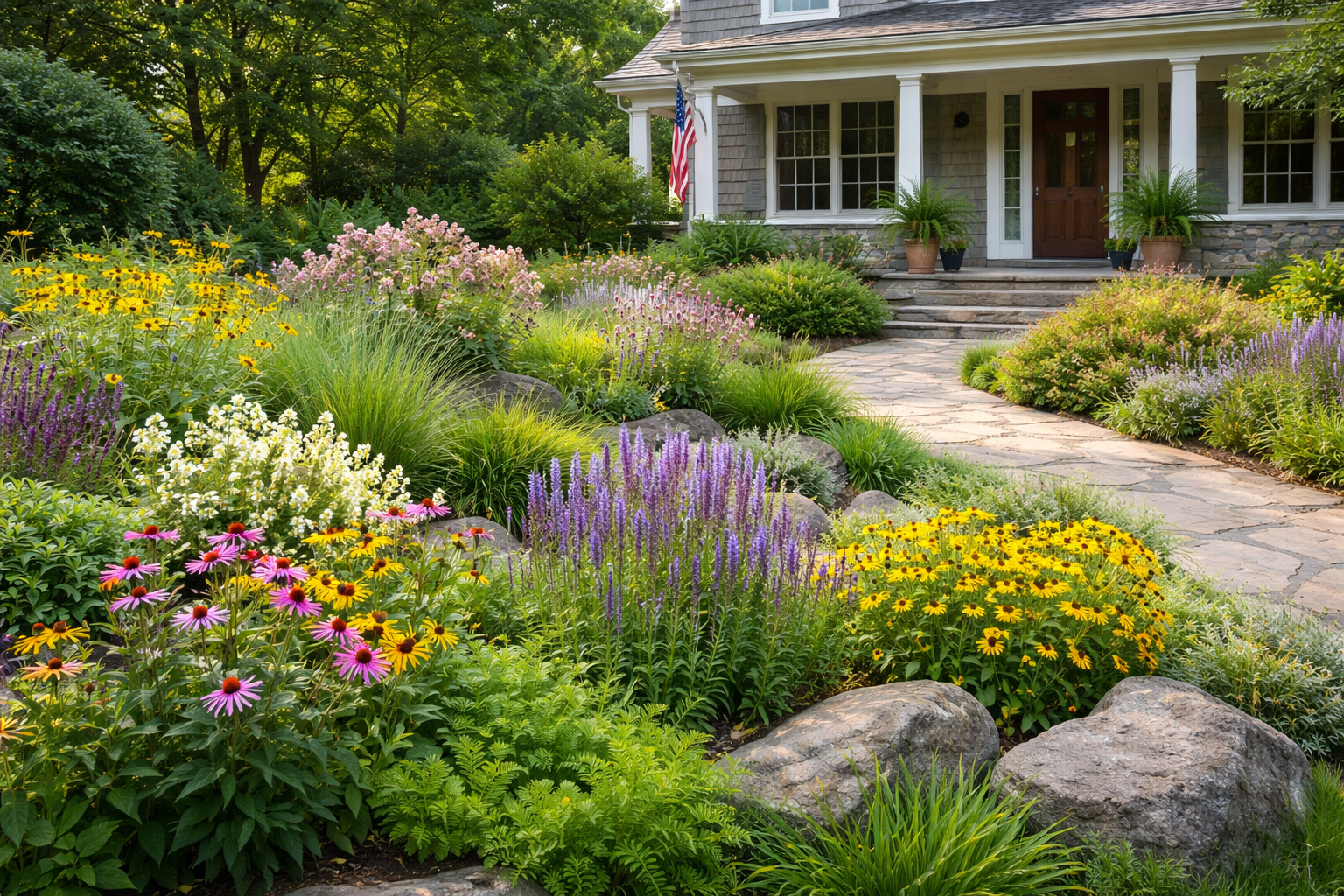
- Create planting terraces or raised garden beds
- Improve safety by preventing land slippage
A retaining wall can help turn a tricky, hilly yard into a usable, beautiful space — perfect for patios, walkways, or outdoor living rooms.
Aesthetic Benefits of Retaining Walls
Now let’s move beyond the basics. Retaining walls offer a range of visual and design benefits, too.
1. Define Your Landscape
Retaining walls give your yard clean lines and distinct areas. Use them to:
- Frame a garden
- Border a driveway or walkway
- Separate outdoor rooms
Defined spaces feel more organized and easier to maintain.
2. Add Texture and Natural Beauty
Stone and masonry materials add natural character that blends with the Northeast environment. Even modern styles can feel grounded in nature when using the right materials.
3. Boost Curb Appeal and Home Value
A thoughtfully designed retaining wall:
- Adds to your home’s visual appeal
- Increases usable outdoor space
- Signals good drainage and structure
That’s why real estate agents often highlight hardscaping as a value booster during home sales.
Popular Retaining Wall Styles in the Northeast
In this region, homeowners tend to favor materials that reflect New England charm while standing up to cold weather. Below are four common retaining wall styles—from timeless to contemporary—suitable for a variety of landscapes and homes.
Rustic: Dry-Laid Fieldstone Walls
This classic wall style uses natural stones stacked without mortar.
Why homeowners love it:
- Timeless, historic look
- Great for informal gardens and woodland settings
- Drains naturally without added systems
Keep in mind: Dry-laid stone requires careful stacking and may shift over time, so it’s best to hire a skilled mason.
Traditional: Mortared Stone Walls
Mortared stone walls offer more structure than dry-stacked ones.
Benefits:
- Offers long-term durability
- Maintains a natural look with tighter joints
- Ideal for formal landscapes or patios
These are often chosen when a wall needs to provide serious support in addition to looking great.
Transitional: Segmental Retaining Wall Blocks
These engineered blocks come in a wide range of finishes.
Perks include:
- Consistent size and shape
- Easy to install (especially for mid-height walls)
- Can mimic stone or concrete
This option is great if you’re looking for a balance between rustic charm and modern lines.
Modern: Smooth Concrete or Modular Walls
Clean lines and uniform texture define modern walls.
Why it works:
- Minimalist, contemporary feel
- Matches modern architecture and updated patios
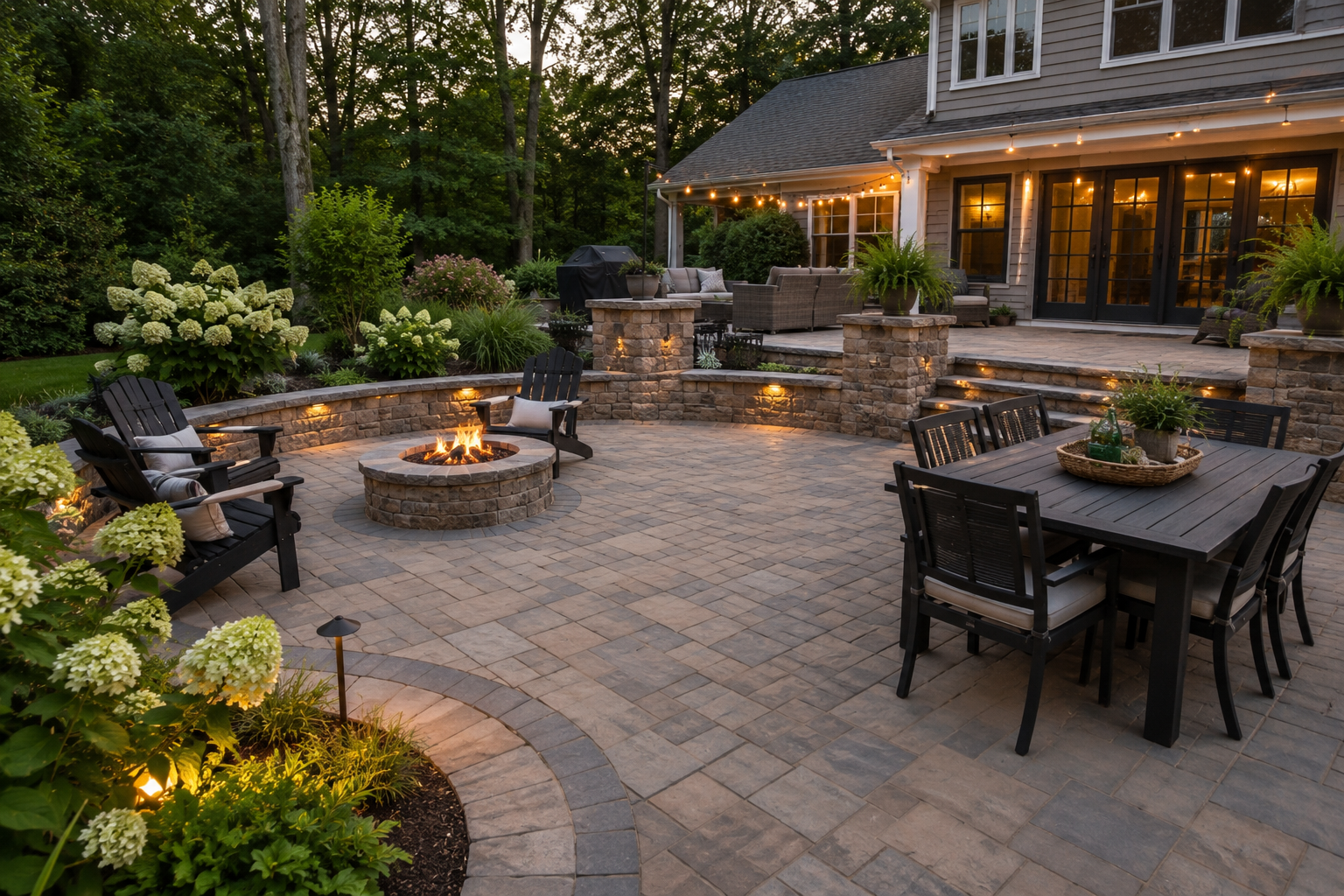
- Often paired with lighting or water features
Modern walls often use smooth-faced blocks, poured concrete, or large modular units—all of which enhance a clean, minimalist look.
Once you’ve chosen a style, it’s time to think about the bigger picture—how your wall fits into the overall design of your landscape.
Tips for Designing the Perfect Retaining Wall
Before construction begins, take time to evaluate how your wall integrates with your overall landscape plan.
1. Match Materials to Your Home
Your retaining wall should complement your home’s:
- Exterior finish (wood, brick, vinyl)
- Color scheme
- Architectural style (colonial, farmhouse, contemporary)
A mismatch can look out of place.
2. Think About Proportions
Don’t build a towering wall for a small garden or a tiny wall for a big slope. Get the scale right for both safety and looks.
3. Add Layers and Levels
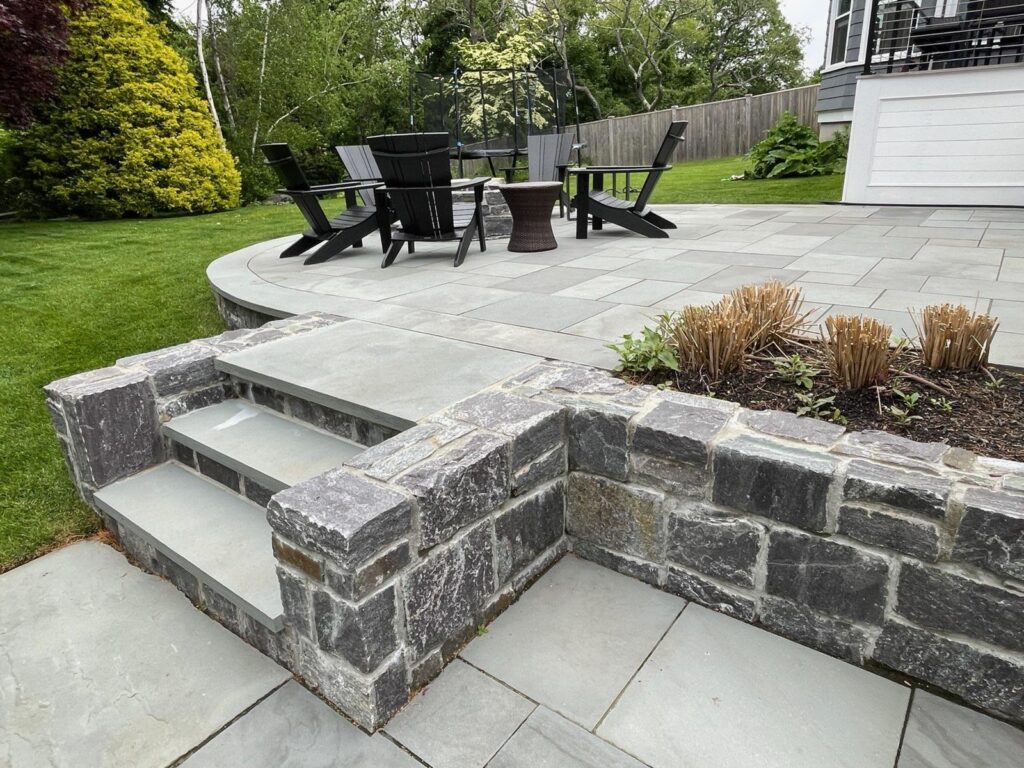
Try creating multiple short walls with level terraces rather than one tall wall. It softens the look and allows for creative planting areas.
4. Include Lighting and Built-In Features
Consider:
- Solar or LED lighting along the wall face
- Built-in benches or planters
- A wall that doubles as a seat wall for your patio
Walls can be practical and beautiful at the same time.
When to Hire a Professional
Installing a retaining wall isn’t always a DIY-friendly task. For anything over 3 feet tall, hiring a pro is highly recommended.
Reasons to work with a landscape masonry expert:
- Ensures proper drainage and long-term stability
- Follows local building codes
- Prevents costly errors like leaning or collapsing
- Helps you select the right materials for your site
- Incorporates the wall into a cohesive landscape design
Most Northeast towns have soil and freeze/thaw cycles that can affect how a wall settles or drains. A professional will build to handle that.Bonus Tip: Ask your contractor to include geogrid reinforcement or a gravel base with drainage piping for improved strength and water control.
Maintaining Your Retaining Wall Over Time
A good retaining wall will last decades — but it still needs care. Here’s how to extend its life:
Seasonal Retaining Wall Maintenance Checklist
- Spring: Check for loose stones, shifting blocks, or signs of water pooling
- Summer: Trim back vegetation, clean any staining, inspect drainage
- Fall: Remove leaves and debris from around wall bases
- Winter: Avoid using salt-heavy de-icers nearby; monitor frost heaving
When to Repair or Upgrade a Retaining Wall
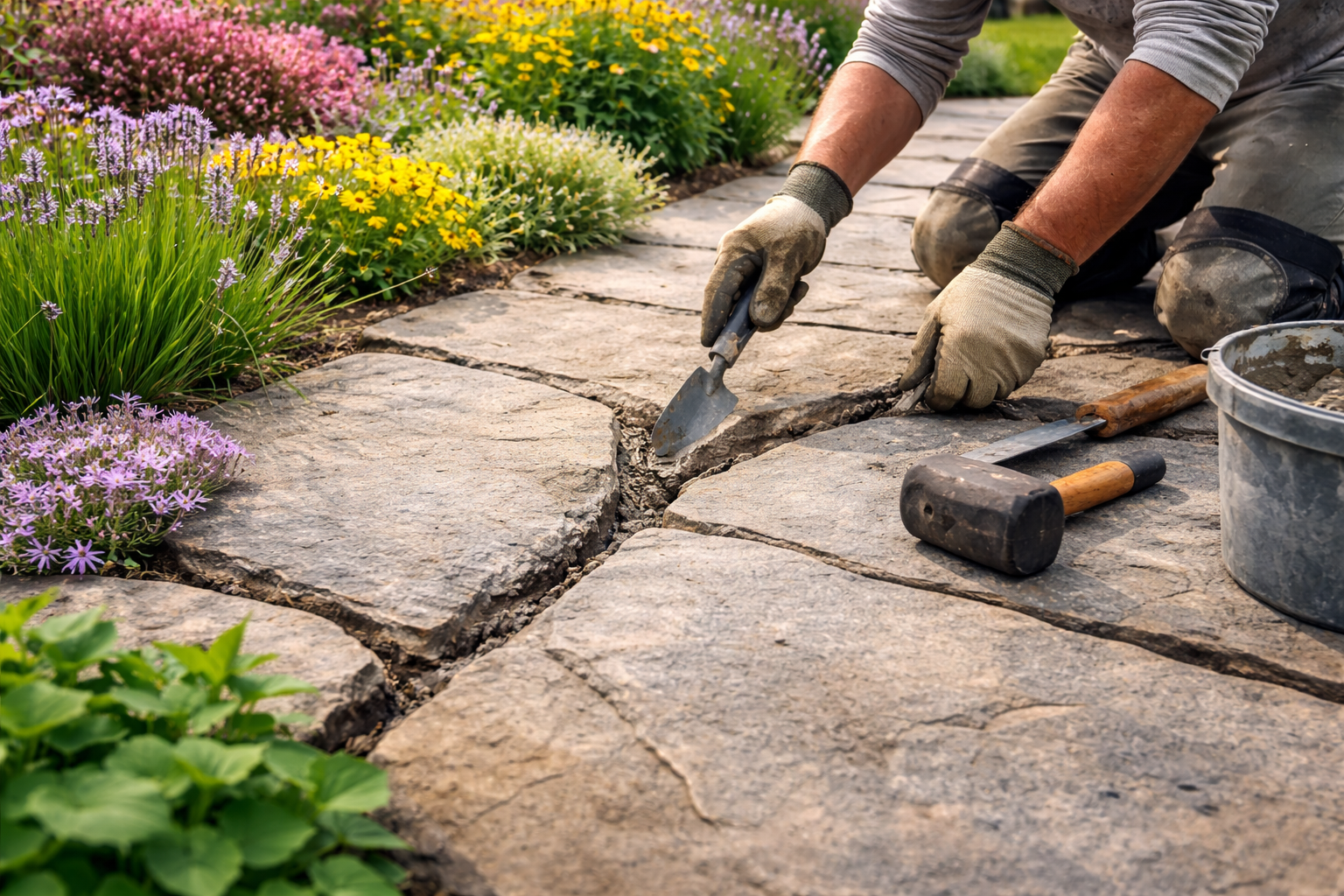
If you spot leaning or cracking, don’t wait. Call a professional like Lassana’s Landscaping to assess the structure and make repairs before issues grow.
Masonry experts can also:
- Replace individual stones or blocks
- Reseal joints and mortared surfaces
- Add new drainage solutions to older walls
Keeping your wall in shape keeps your yard safe and beautiful year-round.
Final Thoughts: From Function to Feature
Whether you choose rustic fieldstone or modern modular blocks, a retaining wall offers so much more than support.
It can define your space, reflect your style, and make the most of your yard’s natural slopes.
When properly designed and maintained, your retaining wall becomes a lasting part of your home’s charm and structure.