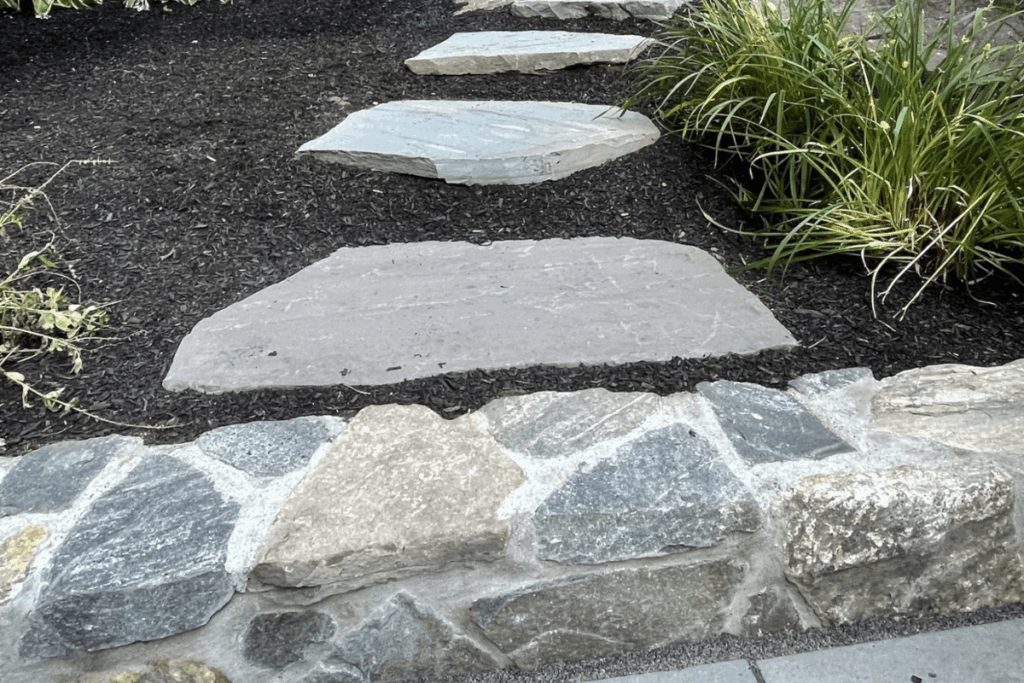
Walkways are more than just a way to get from point A to point B in your yard. They set the tone for your outdoor space, connect different areas of your property, and provide safe, functional paths for everyday use. Selecting the best materials for walkways is about more than appearance—it’s about balancing style, durability, and practicality.
For homeowners in the Northeast, walkway materials must stand up to harsh winters, frequent freeze-thaw cycles, and wet springs. The right choice ensures beauty and longevity while enhancing the value of your property.
Why the Best Materials for Walkways Matter
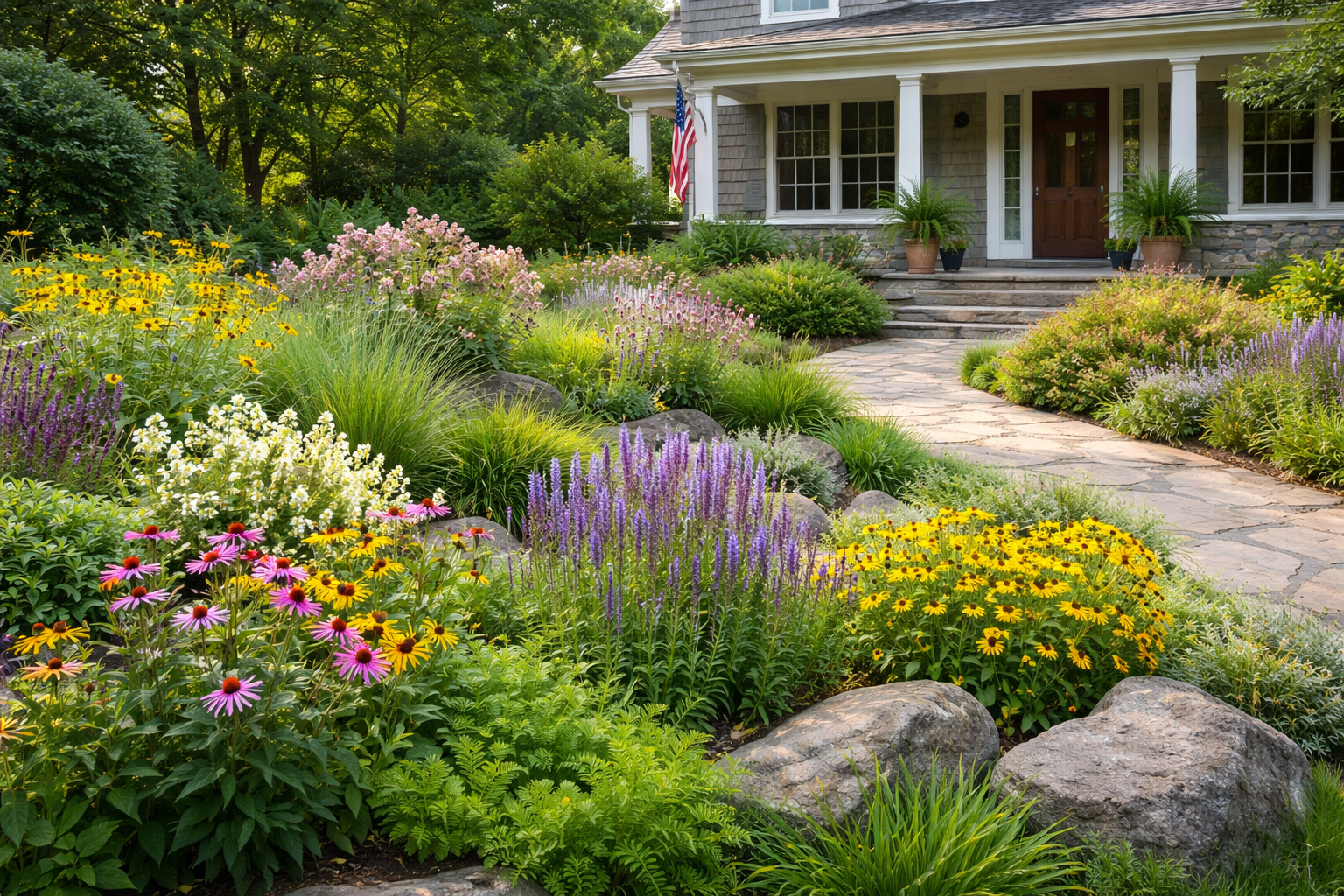
A walkway is often one of the first things guests notice about your home. A cracked or uneven surface can be uninviting, while a thoughtfully designed, well-built walkway immediately boosts curb appeal. The material you choose influences:
- How long the walkway lasts in Northeast conditions.
- How much maintenance is required.
- Whether the design complements your home’s architecture and landscaping.
- How safe it is during icy or wet weather.
By carefully considering both form and function, homeowners can enjoy a walkway that remains beautiful and reliable for decades.
Key Factors to Consider Before Choosing Walkway Materials
Before diving into specific material options, it helps to understand the factors that affect performance and appearance:
- Climate Resistance – The Northeast’s freeze-thaw cycles can damage porous materials. Select those resistant to cracking and water absorption.
- Durability – Walkways handle daily traffic, lawn equipment, and winter snow removal. Strength is essential.
- Safety – Slip resistance is important, especially in icy conditions.
- Style – A walkway should tie into the overall aesthetic of your home and landscape.
- Budget – Costs vary significantly, from affordable gravel to high-end natural stone.
Exploring the Best Materials for Walkways
When planning a walkway, Northeast homeowners often find themselves weighing traditional appeal against modern convenience. Below are the most popular and effective materials, with their pros and cons explained in depth.
1. Natural Stone Walkways
Few materials rival the timeless beauty of natural stone. Each piece has unique textures and tones, giving a walkway a one-of-a-kind look.
- Bluestone – Extremely popular in the Northeast, bluestone is durable, weather-resistant, and offers a classic gray-blue appearance. It’s slip-resistant, making it safer in icy conditions.
- Granite – Known for strength and low maintenance, granite withstands heavy use and resists staining. Its speckled appearance fits modern and traditional designs.
- Flagstone – Available in earthy reds, browns, and grays, flagstone provides a natural, rustic appearance. Its irregular shapes create walkways that blend seamlessly into landscapes.
Natural stone is a premium choice, often more expensive to install. However, its durability and timeless charm often make it a worthwhile investment.
2. Brick Walkways
Brick is a traditional material that brings warmth and elegance to any property. It’s especially fitting for Colonial and historic-style homes, common in the Northeast.
- Advantages: Bricks are strong, slip-resistant, and maintain their color over time. Their uniform shape makes them versatile for patterns such as herringbone or basket weave.
- Considerations: Bricks are porous, which means they may chip or crack in freeze-thaw conditions unless sealed and maintained.
Brick walkways add a sense of permanence and tradition, making them an excellent choice for homeowners seeking classic appeal.
3. Concrete Walkways
Concrete is valued for its affordability, versatility, and durability. Modern concrete is not limited to plain gray slabs—stamped and stained versions mimic natural stone or brick at a lower cost.
- Advantages: Concrete offers strength, low maintenance, and adaptability to different designs. It can be customized with textures and colors.
- Considerations: Without proper installation and sealing, concrete may crack in cold climates. Salt used for de-icing can also damage the surface over time.
For homeowners who want a balance of durability and budget-friendliness, concrete remains a strong option.
4. Paver Walkways
Pavers combine the look of stone or brick with easier installation and repair. They are manufactured in consistent shapes and sizes, which makes creating patterns simple.
- Concrete Pavers – Affordable and available in many styles, they can mimic natural stone or brick.
- Clay Pavers – Similar to brick but fired at high temperatures, making them less porous and more durable.
Because pavers are installed piece by piece, repairs are simple—if one cracks, it can be replaced without disturbing the rest of the walkway. This makes them especially practical in climates with shifting ground.
5. Gravel Walkways
Gravel provides a rustic, casual look and is one of the most cost-effective options. It works well for garden paths, side yards, and informal landscapes.
- Advantages: Affordable, quick to install, and excellent for drainage.
- Considerations: Gravel can scatter, requiring replenishment over time. It may also be difficult to clear during snow removal.
Gravel is best suited for areas with lighter foot traffic or as a complement to more permanent walkway materials.
6. Composite and Alternative Materials
In recent years, eco-friendly and composite materials have gained popularity. These often combine recycled plastics with stone dust or resin.
- Advantages: Low maintenance, slip resistance, and environmentally conscious design.
- Considerations: Higher upfront cost, and may not have the same natural charm as stone or brick.
These alternatives are ideal for homeowners seeking sustainable options without sacrificing function.
Combining Materials for Style and Function
Homeowners don’t always need to settle on a single material. Many walkways combine two or more, adding visual interest and functional benefits. For example:
- A bluestone walkway bordered with brick creates a striking, historic look.
- Concrete walkways accented with paver patterns offer affordability and elegance.
- Gravel paths framed by natural stone keep costs down while adding rustic charm.
Mixing materials ensures the walkway fits both the home’s style and the homeowner’s budget.
Professional Installation Makes the Difference
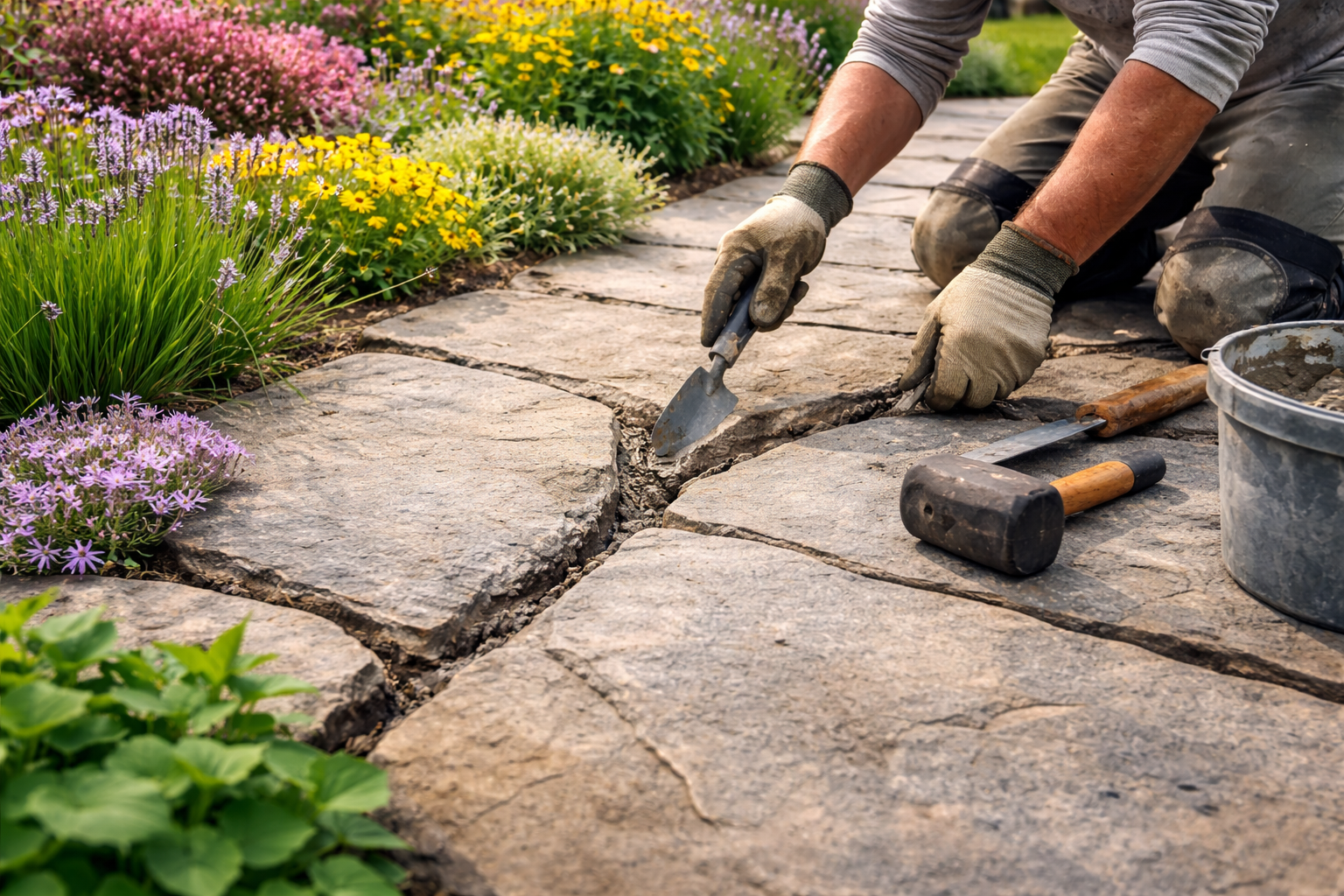
Even the best materials for walkways won’t perform well if improperly installed. Professionals ensure:
- Correct base preparation for stability and drainage.
- Proper spacing and alignment of pavers or stones.
- Sealing and finishing to protect against Northeast weather.
Working with a skilled landscaping company such as Lassana’s Landscaping ensures the walkway not only looks beautiful but also stands the test of time.
Maintaining Your Walkway for Longevity
After installation, regular maintenance extends the life and appearance of your walkway:
- Sweep regularly to prevent debris buildup.
- Rinse with water to remove dirt and salt.
- Reseal stone, brick, or concrete every few years.
- Replace loose pavers or replenish gravel when needed.
For more complex projects or seasonal upkeep, services like hardscaping and masonry work help homeowners keep outdoor features in top condition.
Final Thoughts
Choosing the best materials for walkways is about more than aesthetics. It’s a decision that impacts safety, functionality, and property value—especially in the Northeast, where weather challenges materials year-round. From timeless natural stone to practical pavers and cost-effective gravel, each option offers distinct benefits.
By balancing style with durability, and partnering with professionals for installation, homeowners can create walkways that enhance both curb appeal and daily living for years to come.