Fall is the best time to prepare a yard for winter. Trees, shrubs, and perennials grow strong roots before the ground freezes. Fall plantings give landscapes a head start and make spring growth faster and fuller. In the Northeast, where winters can be long and cold, fall care helps landscapes handle stress and return vibrant in spring.
Why Fall Plantings Matter
Autumn is a natural time for planting. Soil remains warm, while air temperatures cool. This balance allows roots to establish without heat stress. Plants focus on building strong root systems rather than flowers or foliage. When spring arrives, those roots support faster top growth.
Fall plantings also make use of soil moisture from rainfall. Less evaporation means fewer waterings. The cooler weather keeps weeds low, so new plants face less competition. Planting now creates stability through winter and vigor in spring.
Best Plants for Fall
Choosing plants suited for fall planting makes a difference. Local climate and soil type should guide choices. Many native plants thrive in the Northeast’s cool, moist fall conditions.
Top options include:
- Perennials such as daylilies, hostas, and coneflowers
- Evergreen shrubs like boxwood and holly
- Deciduous shrubs including hydrangeas and spirea
- Bulbs like tulips and daffodils for early color
- Ornamental grasses for texture and movement
Planting perennials and shrubs now means less stress later. They rest through winter and wake up ready to grow.
The Role of Mulch
Mulch is one of the easiest ways to protect plant roots. A layer of mulch holds warmth and moisture in the soil. It shields roots from freeze-thaw cycles that can push plants out of the ground. It also reduces erosion from snow and rain.
How to Apply Mulch Correctly
- Spread 2–3 inches of organic mulch such as shredded bark, pine needles, or compost
- Keep mulch a few inches from plant stems to prevent rot
- Smooth it evenly over beds, avoiding piles
- Refresh each year to maintain thickness and color
Mulch adds polish to garden beds while supporting soil health. It breaks down over time, feeding the soil naturally. Mulch also keeps weeds from sprouting, which means less work in spring.
Rebuilding and Refreshing Landscape Beds
Before winter, landscape beds deserve attention. Start by clearing out dead annuals and trimming spent perennials. Pull weeds and remove debris. Loosen compacted soil so air and moisture can reach roots. Add compost to restore nutrients lost during summer.
When beds are clear, edge them for clean lines. Sharp edges give structure and prevent grass from creeping in. A fresh layer of mulch completes the look and protects the roots underneath.
Steps for Fall Bed Care
- Clear out old plants and debris
- Loosen and amend soil
- Re-edge borders for clean definition
- Add compost and fertilizer
- Apply mulch evenly
- Water deeply before frost
This process strengthens plants and prepares the soil for spring planting. It also prevents disease and pest buildup.
Seasonal Color and Texture
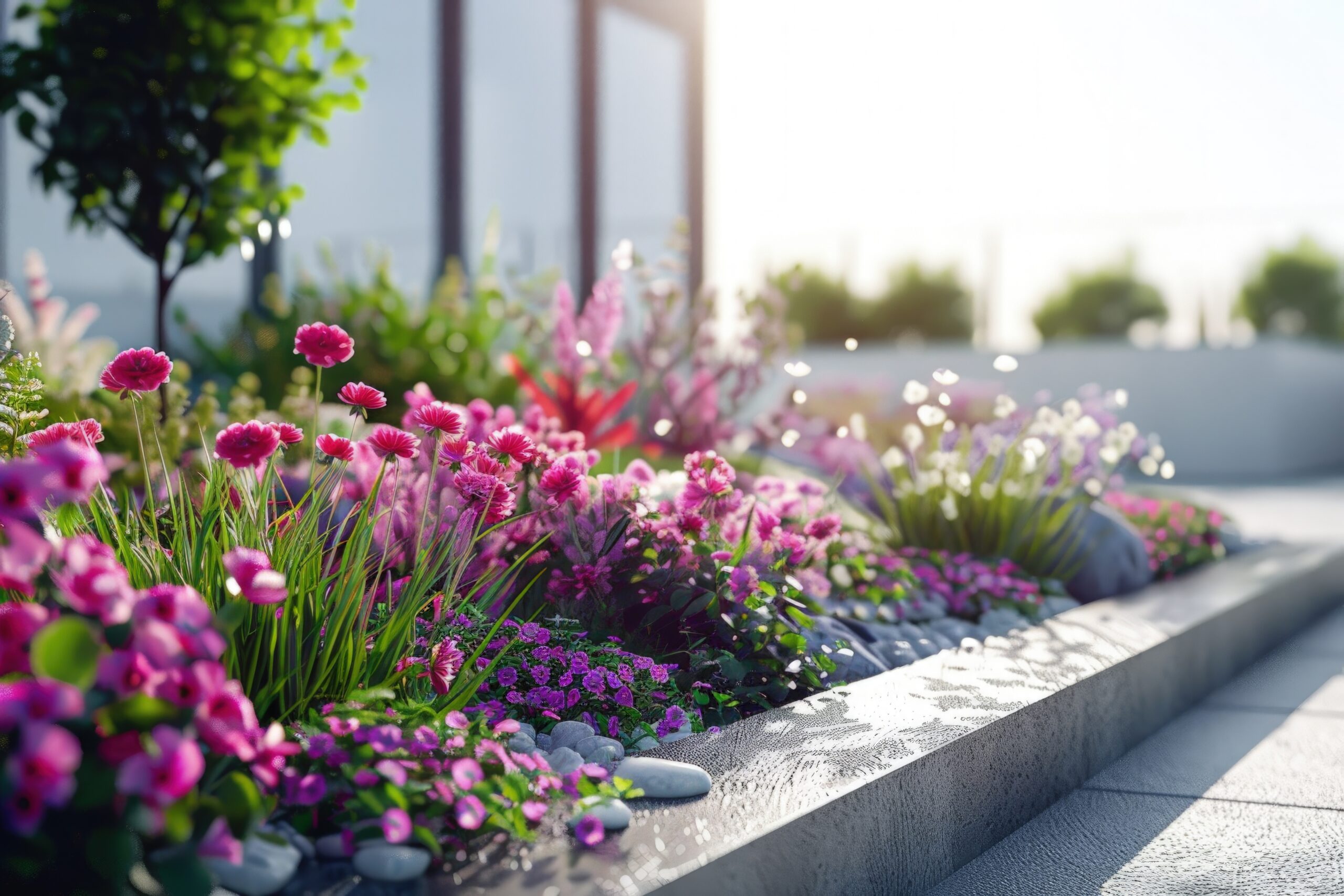
Fall doesn’t mean the end of color. Many plants offer rich hues and structure in autumn. Mixing plants by height and color keeps the landscape interesting.
Consider these combinations:
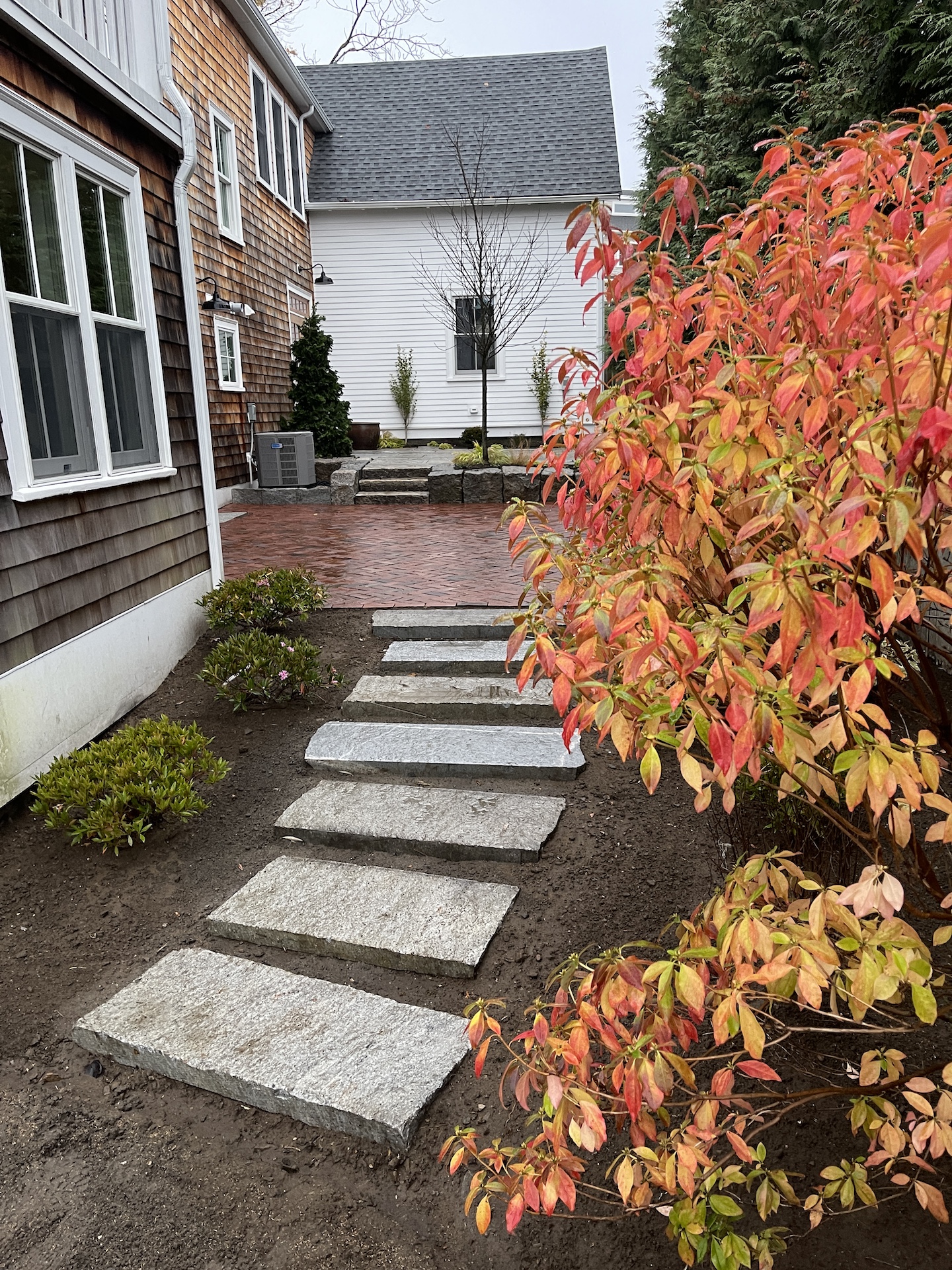
- Deep red shrubs with golden grasses
- Purple asters near bright orange mums
- Evergreen hedges behind fading perennials
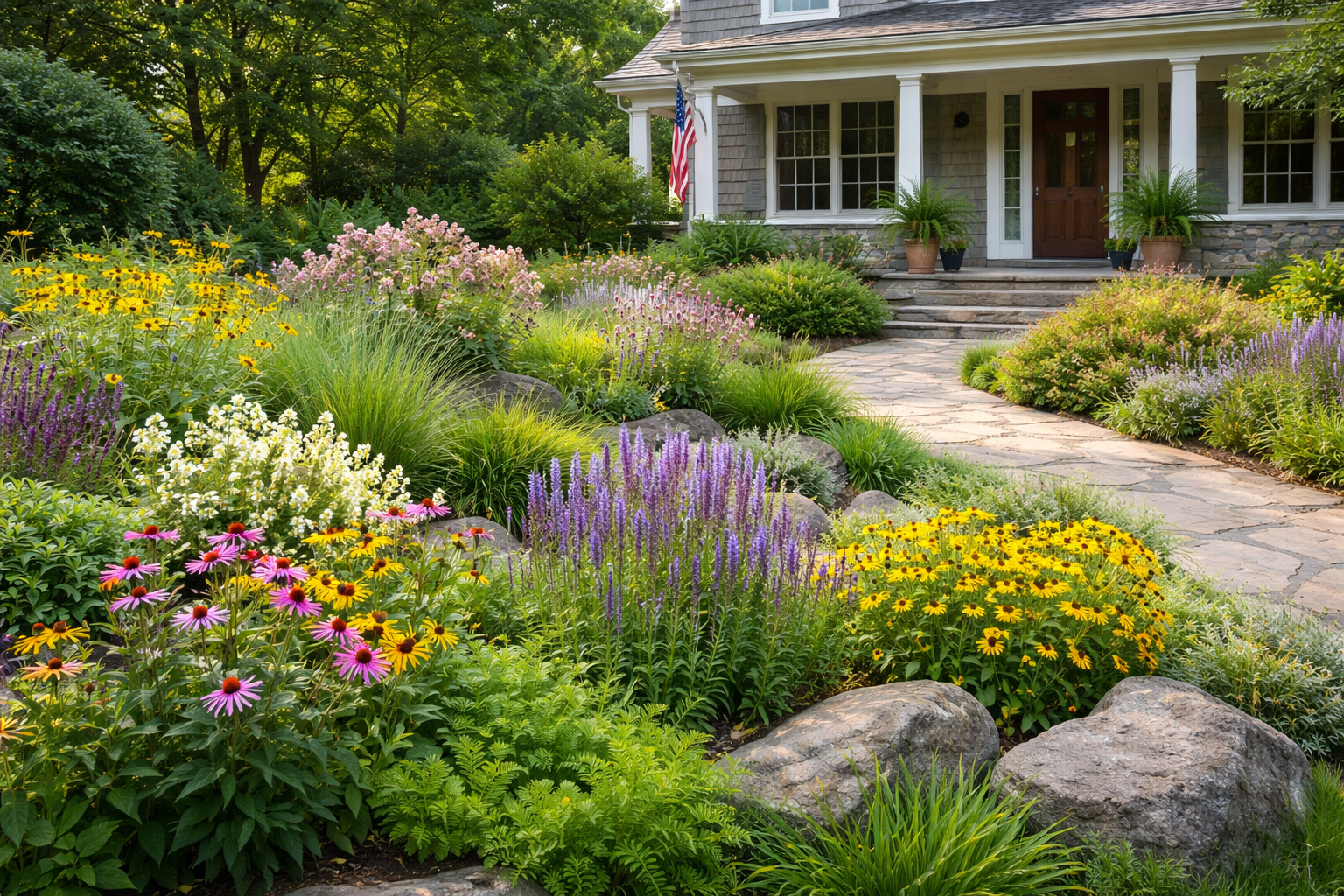
Texture also matters. Stone borders, natural boulders, and bark paths bring contrast to soft plantings. Mixing textures creates balance between natural and structured spaces.
Fall Watering and Fertilizing
Watering remains essential even in cooler weather. Dry roots weaken plants. Continue watering until the ground freezes. Deep watering encourages roots to grow down, not out.
Use a slow-release fertilizer rich in phosphorus to support root growth. Avoid high-nitrogen products that push foliage growth too late in the season. Once fertilizer is applied, cover soil with mulch to lock in nutrients.
Preventing Winter Damage
Winter in the Northeast brings heavy snow, ice, and fluctuating temperatures. Protecting plants now prevents losses later.
Protection methods:
- Burlap wraps for evergreens exposed to wind
- Anti-desiccant spray on broadleaf evergreens
- Stakes to hold up fragile shrubs under snow
- Drainage checks to avoid pooling water near roots
Inspect for signs of pests before cold weather drives them into the soil. Removing debris and trimming dense growth reduces nesting spots.
The Value of Professional Maintenance
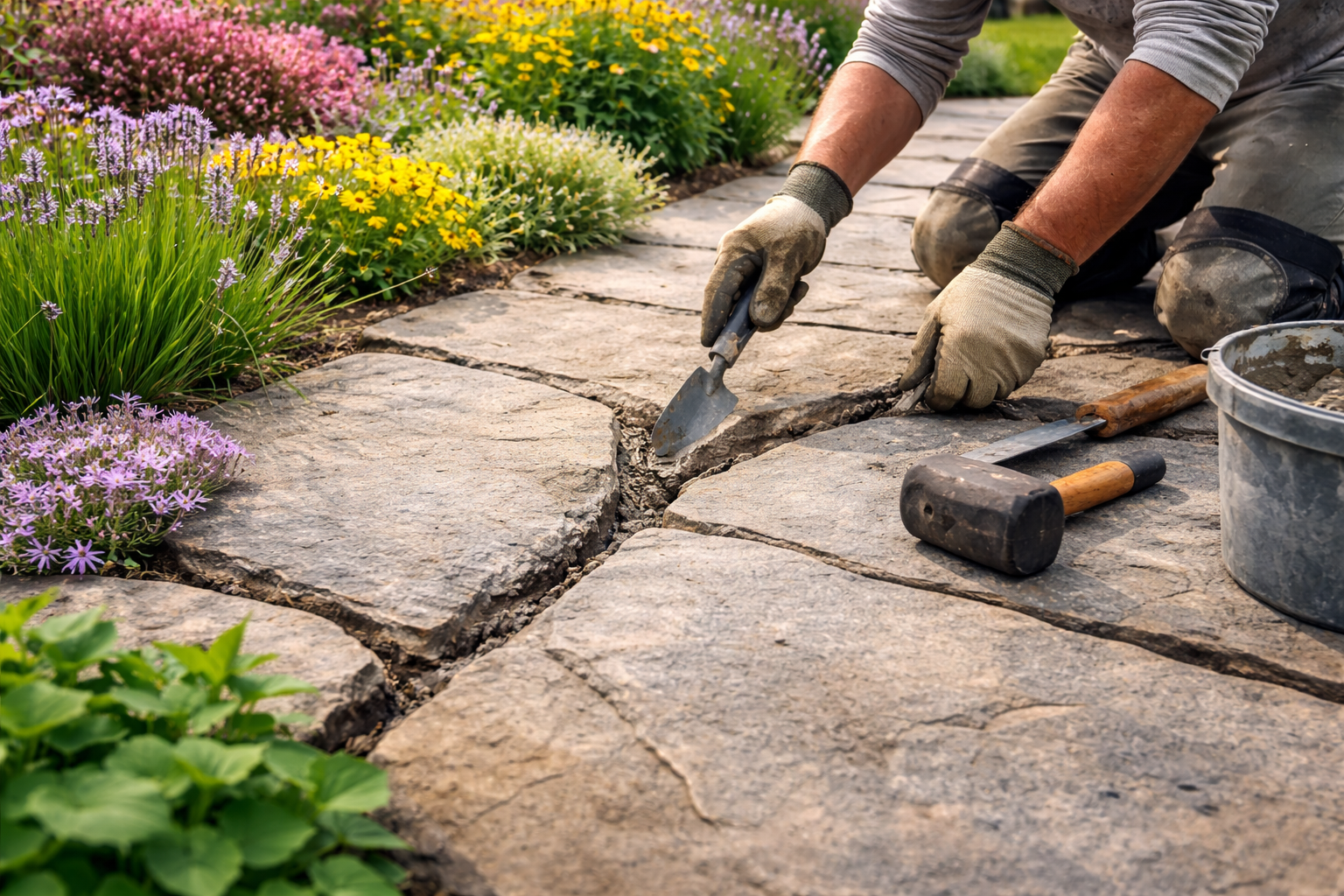
Some tasks are best left to trained crews. Fall planting and bed preparation require timing and precision. Landscapers understand how soil moisture, slope, and drainage affect results. They install mulch evenly and handle heavy materials safely.
Professional help also saves time and prevents mistakes that cost more later. At Lassana’s Maintenance Services, crews manage seasonal cleanups, mulch installation, and irrigation shutdowns. Their work keeps properties protected through winter and ready for spring.
Coordinating Design with Planting
Softscape design involves more than planting. It connects plants, stone, and pathways into one visual plan. A designer considers how beds flow around patios, walls, and lawns. They choose colors that complement nearby masonry and structures.
Lassana’s Softscape Services create custom layouts that fit each property’s size and style. The team blends textures and seasonal interest so landscapes stay appealing even in late fall. This planning prevents overcrowding and allows for easy maintenance later.
Common Mistakes to Avoid
Avoid planting too late. Roots need time to settle before soil freezes. Watch weather forecasts and aim to plant six weeks before the first hard frost. Don’t pile mulch too high around stems or tree trunks. It traps moisture and invites decay.
Overwatering is another issue. As temperatures drop, reduce watering gradually. Always check moisture depth before watering. Dry topsoil doesn’t always mean dry roots.
Finally, avoid skipping cleanup. Leaves left in beds trap moisture and pests. Clean beds lead to healthier soil in spring.
How Fall Plantings Improve Property Value
Landscapes that look tidy and prepared make homes more appealing. Well-kept garden beds signal ongoing care. They also prevent erosion and reduce repair costs from water or frost damage.
Planting in fall creates structure that lasts. New shrubs, mulch lines, and defined edges give a home polish through winter. When spring comes, growth appears organized and lush.
A Season of Preparation
Fall is the season of groundwork. It’s the best time to plant, mulch, and clean. A property that receives proper care in autumn needs less attention later. Plants stay healthier, soil remains fertile, and the entire landscape transitions smoothly into spring.
Professionally managed fall plantings make the difference between a yard that survives and one that thrives. Homeowners who prepare now save time and money when the snow melts.