Outdoor living spaces have become a bigger part of how homeowners use their property, and patios often sit at the center of that experience. A well-built masonry patio creates room for dining, gathering, and relaxing while adding structure to the landscape.
Good masonry patio design does more than improve appearance. It shapes traffic flow, supports drainage, and helps outdoor areas feel connected to the home itself.
For Northeast properties, masonry patios also need to handle changing weather and seasonal use without constant repairs.
Why Masonry Patio Design Matters
A patio should feel natural within the landscape, and the design should support how the space will actually be used. Size, layout, material choice, and grading all influence long-term performance.
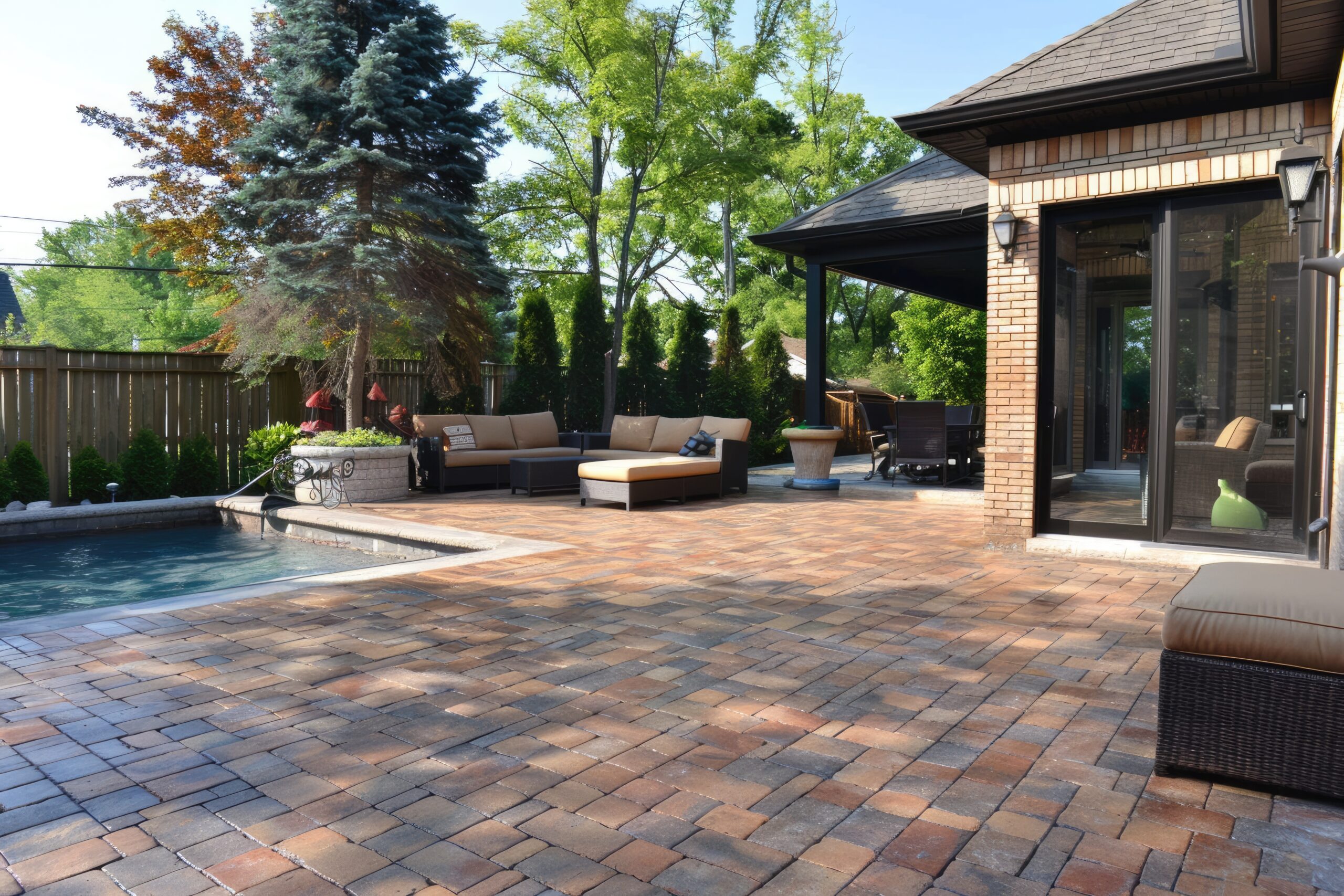
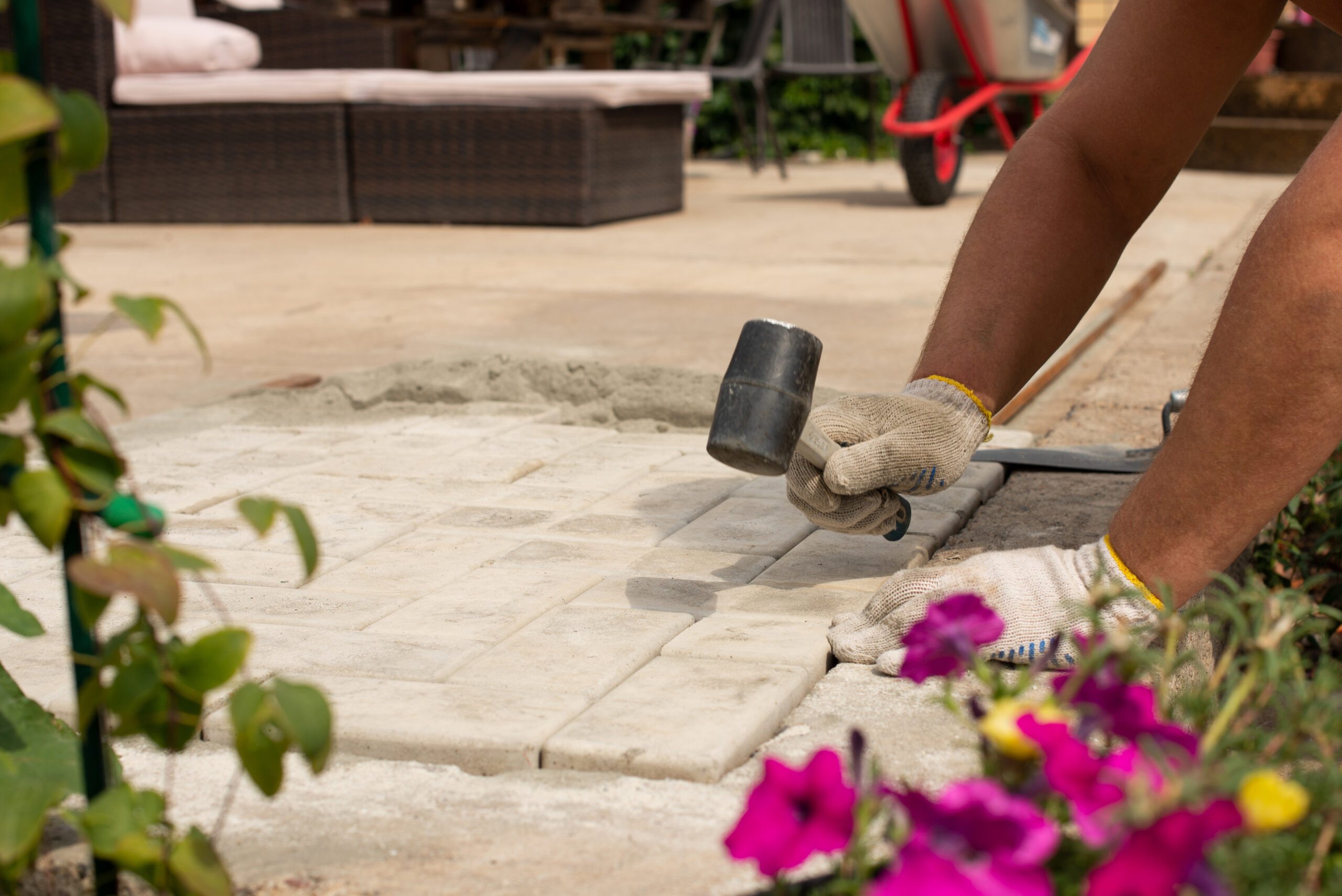
Masonry materials hold up well in Northeast climates, especially when installation includes proper drainage and base preparation. Stone, brick, and pavers also create a more finished appearance than poured concrete alone.
A thoughtful layout improves usability and makes the outdoor space easier to enjoy through different seasons.
Choosing the Right Patio Material
Material selection affects both appearance and durability. Some homeowners prefer natural stone for its texture and variation, while others choose pavers for cleaner lines and easier maintenance.
Brick patios provide a more traditional appearance, and they pair well with older Northeast homes. Natural stone often works well in landscapes that blend with surrounding plantings and masonry walls.
Popular masonry patio materials include:
- Natural stone
- Concrete pavers
- Brick
- Bluestone
- Cobblestone accents
Each material creates a different visual effect, and the right choice depends on the style of the property and how the patio will function.
Masonry Patio Design for Outdoor Living
Outdoor living spaces work best when patios support more than one purpose. A single open area may feel too large or disconnected, while smaller zones create a more usable layout.
Dining spaces, seating areas, and fire features can all exist within the same patio design when transitions are planned carefully. Changes in elevation, material borders, and retaining walls help separate these areas without making the space feel crowded.
Patios also connect different sections of the property. Walkways, steps, and planting beds help tie the design together and improve movement throughout the yard. Homeowners looking for larger outdoor upgrades can explore additional masonry and stonework services here.
Planning for Northeast Weather Conditions
Freeze-thaw cycles place constant stress on outdoor surfaces in the Northeast, and patio construction should account for those seasonal shifts from the start.
Water management plays a major role in long-term durability. Without proper drainage, moisture can collect beneath the surface and lead to cracking or movement during winter months.
A stable base helps reduce those issues. Proper grading also directs water away from the patio and nearby structures. Patios built with long-term weather exposure in mind tend to require fewer repairs over time.
Adding Retaining Walls and Stone Features
Retaining walls often become part of patio design, especially on sloped properties where elevation changes affect layout options. These walls help manage soil movement and create usable flat areas for seating or dining.
Stone seating walls can also define the edge of a patio while adding extra function. Instead of relying only on furniture, built-in features create permanent structure within the design.
Other masonry additions may include:
- Stone steps
- Fire pits
- Border accents
- Raised planting beds
- Outdoor kitchen areas
These features help outdoor spaces feel more complete and better organized.
More information about retaining wall construction can be found here.
Creating Better Flow Between Indoor and Outdoor Spaces
One of the most effective masonry patio design ideas involves improving the connection between indoor and outdoor living areas. A patio should feel like an extension of the home rather than a separate feature placed in the yard.
Material color, shape, and layout all influence that transition. Straight lines often create a cleaner and more formal appearance, while curved edges feel softer and more natural within planted areas.
Door placement also affects patio usability. Main seating areas should connect easily to entry points from the home. Simple adjustments in layout often improve how the space functions day to day.
Lighting and Seasonal Use
Patio design should consider evening use and seasonal changes. Lighting improves safety while making outdoor spaces more comfortable after dark.
Low-voltage lighting along walkways and retaining walls adds visibility without overpowering the landscape. Accent lighting near seating areas creates a warmer atmosphere during cooler months.
Seasonal use matters as well. Patios that receive too much shade may stay damp longer in spring, while full sun areas can become uncomfortable during summer afternoons. Balancing shade and sunlight helps improve comfort throughout the year.
Planting Around Masonry Patios
Plantings soften the edges of masonry features and help patios blend into the surrounding landscape. Without planting, patios can sometimes feel too hard or disconnected from the yard.
Low-maintenance shrubs, ornamental grasses, and native plants work well around masonry surfaces. These plantings add seasonal interest without overwhelming the patio itself.
Spacing matters here too. Plants placed too close to stone surfaces may trap moisture or create drainage issues over time. A balanced planting plan supports both appearance and long-term maintenance.
Maintenance Considerations for Masonry Patios
Even durable masonry surfaces require occasional maintenance. Seasonal inspections help identify small issues before they spread across larger sections of the patio.
Joint repairs, surface cleaning, and drainage adjustments all help extend the life of the installation. Keeping leaves and debris off the surface also reduces moisture buildup during colder months.
Maintenance needs vary depending on the material used and how the patio drains after heavy rain or snow. Most masonry patios hold up well for many years when installation is done correctly and small issues are addressed early.
Building Outdoor Spaces That Last
Masonry patios provide structure, durability, and long-term value for outdoor living spaces. Good design improves how the space functions while supporting the overall layout of the property.
Material choice, drainage, grading, and layout all influence long-term performance. When those elements work together, patios become more comfortable and easier to maintain through changing seasons.
A well-designed patio creates outdoor space that feels connected, practical, and built to last.